Heisei Retro
Meaning
Heisei retro (平成レトロ) is a trend of looking back fondly on the objects and design of the Heisei era and deliberately working them into daily life today. Heisei ran from 1989 to 2019, a little over thirty years. Heisei retro mostly covers the first half through the middle of that span, roughly the 1990s through the early 2000s.
At the heart of the trend are teens and twentysomethings with little to no memory of the era itself. Everyday objects from before they were born, or before they were old enough to remember, catch their eye as unfamiliar, novel designs. For those who actually lived through the period, meanwhile, the very same objects evoke nostalgia. That contrast in how different generations see them makes them especially likely to spark conversation.
It is usually described as one of the retro booms that followed Shōwa retro. English-language coverage uses the same name. Tamagotchi and purikura, the decorated photo sticker booths found in Japanese arcades, are often the way in for people who go on to take an interest in 1990s Japan.
Origin
The Heisei Era, 1989 to 2019
Heisei began on January 8, 1989. Emperor Shōwa (Hirohito) died the day before, and the new era name took effect the following day. It ended on April 30, 2019, this time through the emperor's abdication. The era was also marked by major events, from the collapse of the bubble economy to the Great East Japan Earthquake. Mobile phones and the internet reached ordinary homes in this period too.
The term Heisei retro does not reach across all thirty years. It covers roughly the first half through the middle, up to the point where smartphones took over. The 2010s, the late Heisei years, are almost never included, perhaps because they still feel continuous with the present. How far to extend it varies by who is talking. Some limit it to the 1990s, while others stretch it into the early 2000s.
Signature Items
Analog devices are the face of Heisei retro: pagers known in Japan as pokeberu, flip phones known as garakei, and cassette tapes. Sending a message meant typing a string of digits that spelled out words by their sounds. Reaching the song you wanted meant rewinding the tape. Things that take a second now took a series of small steps. With efficiency the default today, those steps are perceived as fun rather than as a chore. Shops have opened where you can take photos on a garakei or listen to music from the period.
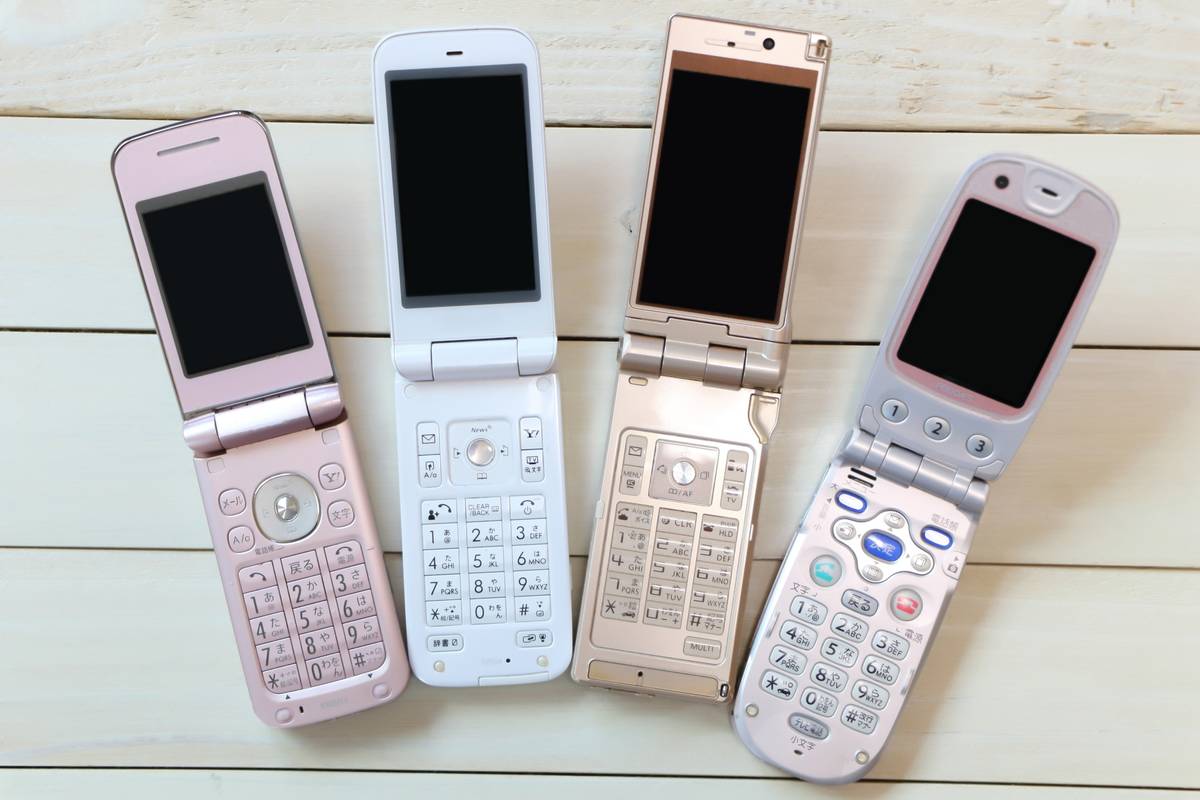
Galapagos phones, or garakei, the multifunction handsets that evolved along their own line in Japan.
A rough image is part of the appeal. With Fujifilm's Utsurundesu, sold in the US as QuickSnap, you cannot see the result until the film is developed, and that one-shot gamble is said to be the fun of it. In 2026, forty years after the launch, Fujifilm added a waterproof model, the Utsurundesu Active. Compact digital cameras from the 1990s and early 2000s work the same way, where a low pixel count and soft focus become the character of the photo. Purikura booths have started running features that deliberately recreate the coarse image quality and light retouching of Heisei-era machines.
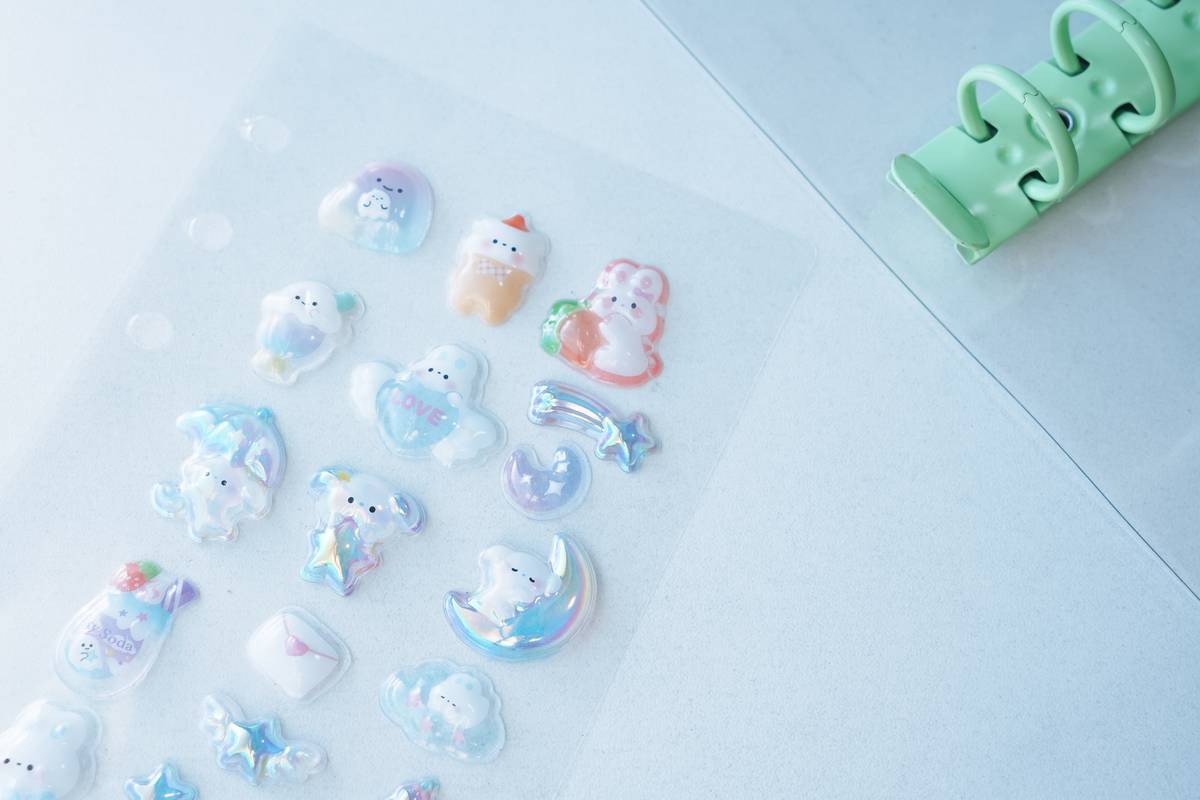
Sticker books and puffy stickers, Bonbon Drop among them, are a big hit with kids.
Raising things and collecting things have held up too. Preorders for the 2025 Tamagotchi reached four times the previous model’s. Buyers are not only elementary schoolers; the range now also reaches people in their twenties to forties who played with the originals. Kabaya's Sebon Star candy has done the same. The pleasure of collecting and displaying the pendants inside meshes well with social media, and the share of buyers in their early twenties has roughly doubled.
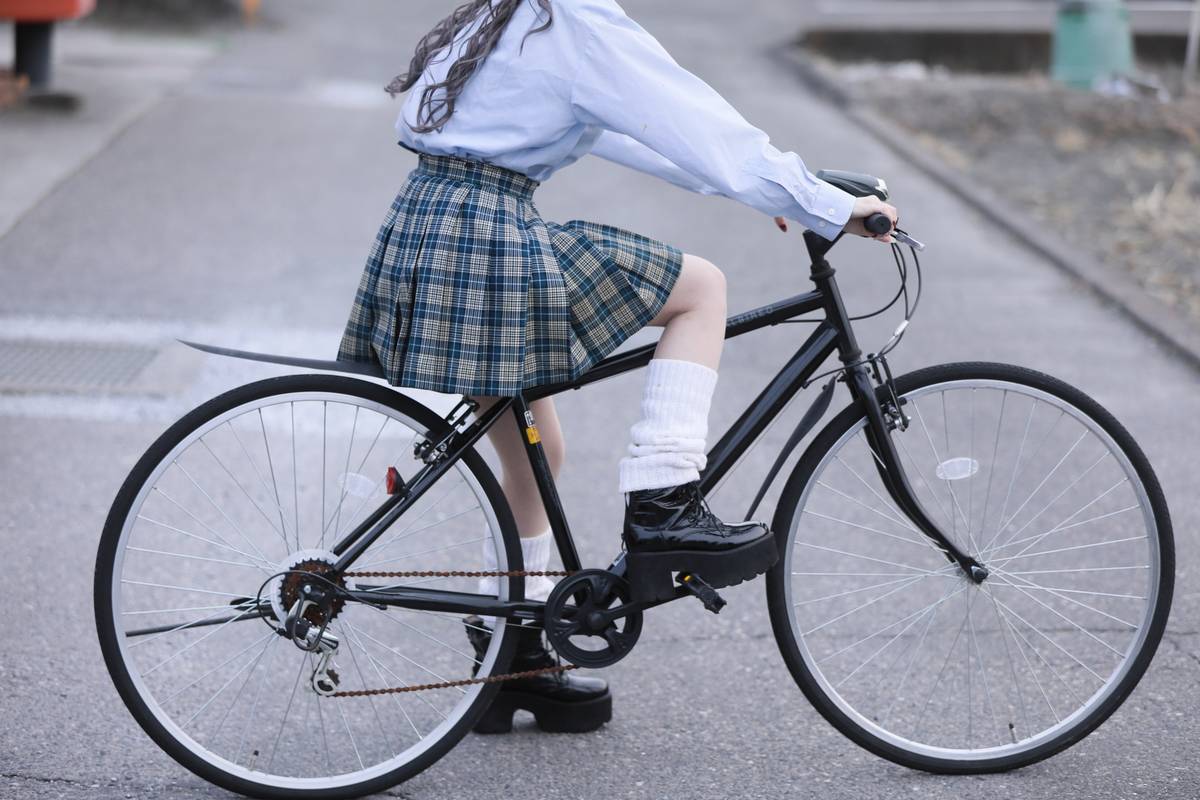
Loose socks.
Loose socks are back in fashion. They are shorter than the 1990s style called super loose, though, with 50 to 80 centimeters the norm now. Beyond school uniforms they now go with everyday clothes, and the colors include pink and black alongside white. Rather than copying the period outright, wearers mix them into what they already own.
Having something physical to keep also counts for a lot. Laid-back character goods such as San-X's Tarepanda, along with scented erasers and the profile books friends pass around and fill out for one another, are popular with children and with their mothers' generation alike.
Aesthetics
Translucent casings, called sukeruton in Japan, are the clearest marker. The design is usually credited to the 1998 iMac G3, and see-through models lined the shelves, from game consoles to phones to stationery.
The palette mixes primary and fluorescent colors with pastels. Rounded typefaces, layouts packed with ornament, coarse pixel art. Digital technology was still rough at the edges, and that roughness shows up directly in the design.
Compared with the clean, carefully streamlined designs of today, those of the past can feel busier and less cohesive. Yet it is precisely that excess that strikes younger generations as fresh and new.
Where The Term Heisei Retro Came From
In 2017, Mero Yamashita, a researcher of Heisei culture, proposed the term. Retro as a category had stopped at Shōwa, and Heisei objects were being thrown out before anyone looked at them twice. That sense of crisis is the starting point.
Heisei vintage and Heisei nostalgia were also on the table, but he has said he chose retro because a familiar word carries the meaning better.
The change to the Reiwa era in 2019 turned Heisei into a closed chapter, and the word came into wide use. In 2021, the Shōwa and Heisei retro boom placed fourth in the business magazine Nikkei Trendy's thirty biggest hits of the year.
Usage Examples
- 1 "This see-through game console is so Heisei retro. Isn't it cute?"
- 2 "Found a pager at my parents' place. Way too Heisei retro."
- 3 A: "You still have your purikura album?" B: "It's Heisei retro source material. I can't throw it out."
- 4 "Went full Heisei retro with the outfit today and wore loose socks."
Supplement
How it Differs From Shōwa Retro
Shōwa retro looks toward streetscapes from the postwar boom years and the cream soda at an old coffee shop, scenes today's young people have no direct memory of. Heisei retro sits much closer. It is just barely within reach of a parent or of the person themselves, and the generation that used these things is still in the workforce.
The Overlap With Y2K
There is a lot of common ground with Y2K fashion, which came from outside Japan. Y2K, though, is framed by the Western calendar, the years around 2000, while Heisei retro is a distinctly Japanese label that draws its line by the era name. Heisei retro also covers more ground, reaching back into the first half of the 1990s.
Pushback Against Calling the Heisei Era Retro
Around 2021, as the word spread, discomfort surfaced on social media. Calling something from a few years ago retro struck people as wrong.
Mero Yamashita, who named it, points to how hard it was to get across that the word covers only the parts people feel fond of, not Heisei as a whole. He also looks back and admits the naming itself as a problem.
What is Happening Now
Reissues and revivals keep coming. Tamagotchi passed 100 million units shipped worldwide in July 2025, and Utsurundesu sales have recovered from their 2015 low. Young people are buying secondhand compact digital cameras in search of that rough picture, and prices have climbed accordingly. Loose socks returned to store shelves in the 2020s.
Exhibitions and shops are multiplying. A Heisei retro cafe called Retopo had a soft opening in Shibuya in November 2024, and in the summer of 2025 the department store Seibu Shibuya ran the NEO Heisei Retro Exhibition under Mero Yamashita's supervision.
Last Updated
Japanese
平成レトロ
Hiragana
へいせいれとろ
Table of Contents