Oji Shrine
王子神社
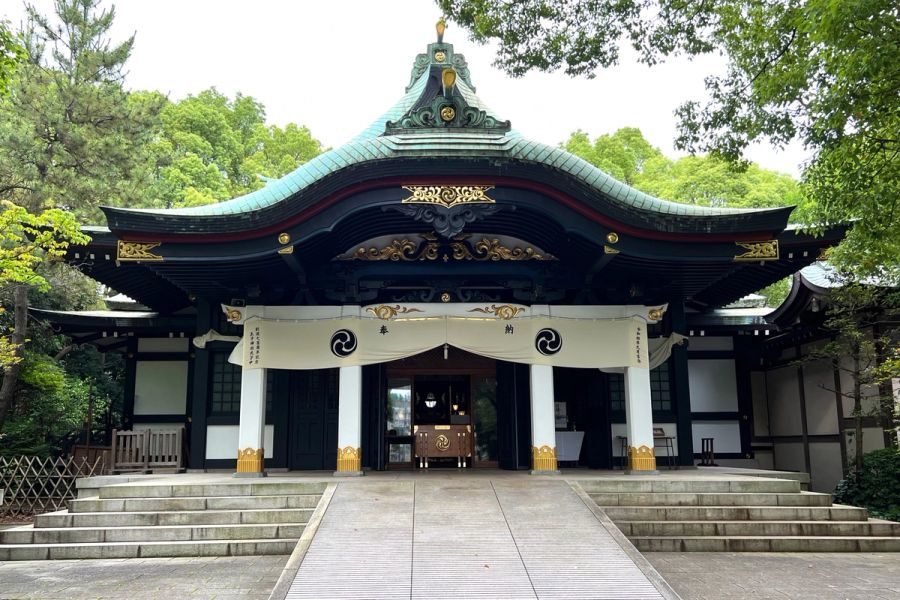
About Oji Shrine
In the northern reaches of Tokyo stands Oji Shrine, one of the Tokyo Ten Shrines, a prestigious designation recognizing the ten most significant shrines in the city. Nearly 700 years of history flow through this sacred space, where countless visitors continue to find solace and connection. Rooted in the Kumano faith tradition brought from Wakayama Prefecture, the shrine gained its noble standing under the protection of the Edo shogunate. Within its grounds grows a ginkgo tree over 600 years old that survived the firebombing of Tokyo in 1945. Each autumn, when it transforms into burnished gold, the tree speaks of the deep passage of time that has shaped this place.
Seven Centuries of History Inherited from Kumano
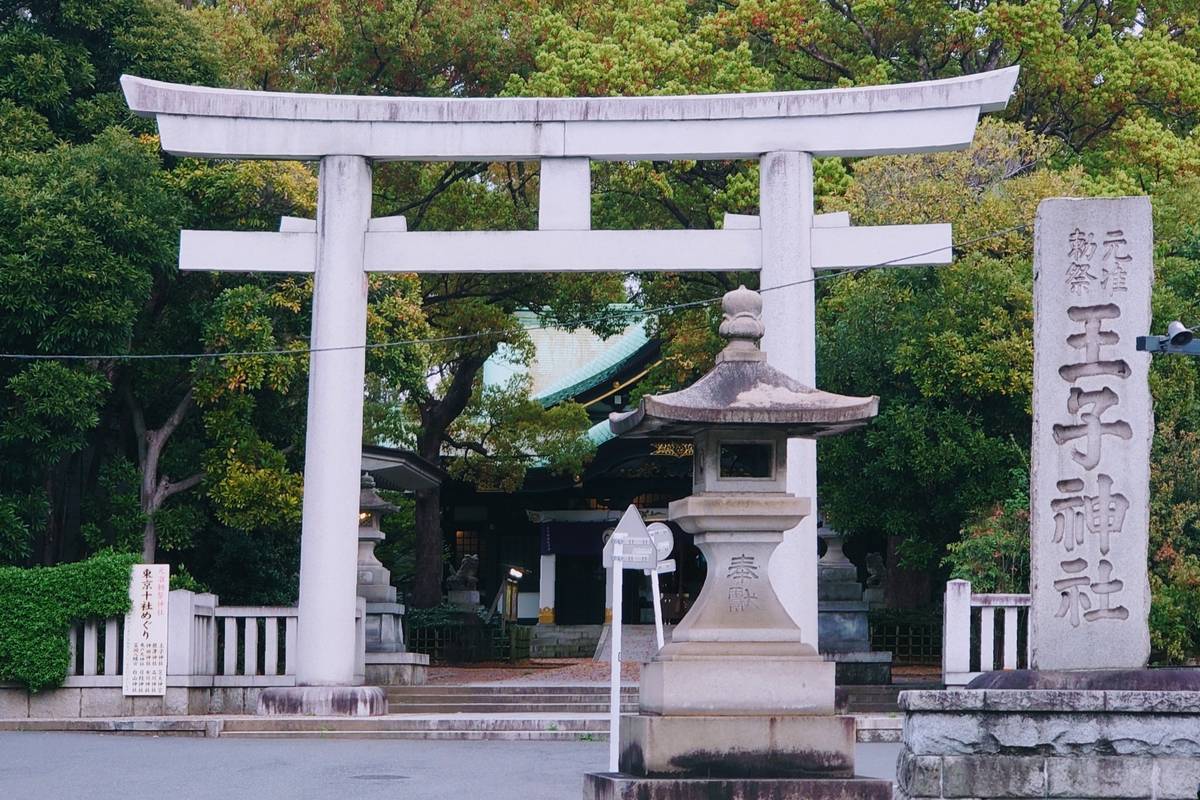
In 1322, a local clan leader named Toyoshima invited a deity from Kumano Shingū in Wakayama Prefecture and established Oji Shrine. The shrine enshrines five deities: Izanagi, Izanami, Amaterasu Ōmikami, Hayatama no O no Mikoto, and Kotosakai no O no Mikoto. Together they are called the Great Oji Deity, and all are closely connected to the sacred mountains of Kumano.
The name “Oji” itself is rooted in the shrine’s founding story. Along the pilgrimage routes to Kumano, many small shrines were built and called Ōji shrines, or “prince shrines.” That legacy continues as a place name to this day.
When the Edo period began, the shrine came under the patronage of the Tokugawa shogunate. In 1868, it received imperial designation for ritual purposes, and in 1975, it was chosen as one of the Tokyo Ten Shrines. Standing alongside renowned shrines like Nezu and Hie, Oji Shrine holds its place as a symbol of Edo’s enduring heritage.
The Great Ginkgo That Survived the Firebombing
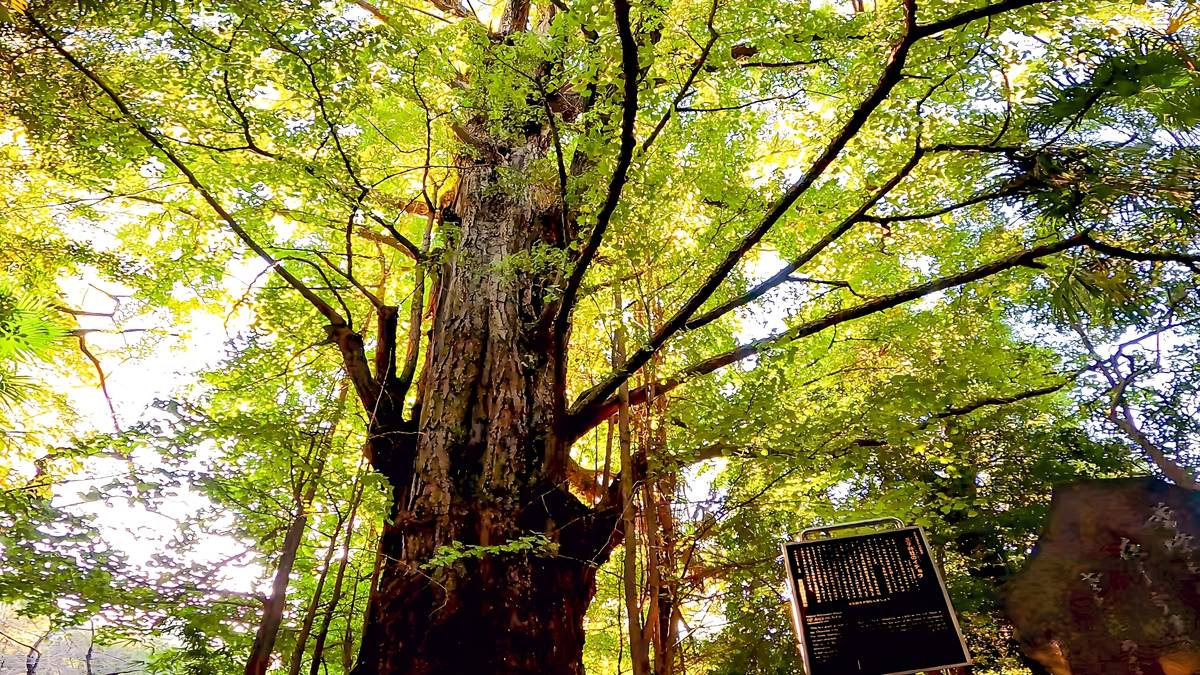
The ginkgo tree within the shrine grounds has lived for over 600 years. Its trunk measures 5.2 meters in circumference, and it towers approximately 24 meters high. It is believed to have taken root around the time the shrine was founded.
In 1945, the Great Tokyo Air Raid reduced the surrounding area to ash and ember. Yet this ginkgo endured. Scars etched into its bark quietly bear witness to that era. Now designated as a natural monument by the Tokyo Metropolitan Government, each autumn the tree wraps the entire shrine grounds in golden light.
Just south of the shrine lies Otonashi Riverside Park. The Shakujii River that once flowed here was renamed Otonashi River after the Otonashi River in Wakayama, a connection made when the shrine was founded. The park, created from the river’s former course, brings deep verdure to this entire district alongside the great ginkgo.
The Deity of Hair and New Year’s Eve Fox Fire
Among the subsidiary shrines of Oji Shrine is Seki Shrine, which enshrines Semimaru Kō, a poet from the Heian period. Legend tells of Semimaru’s sister who suffered from unruly hair, and how the poet devised a wig to help her. From this tale, Semimaru came to be revered as the ancestral deity of hair. The beauty and hair industry particularly cherishes this shrine, and countless professionals from these fields visit to pay their respects.
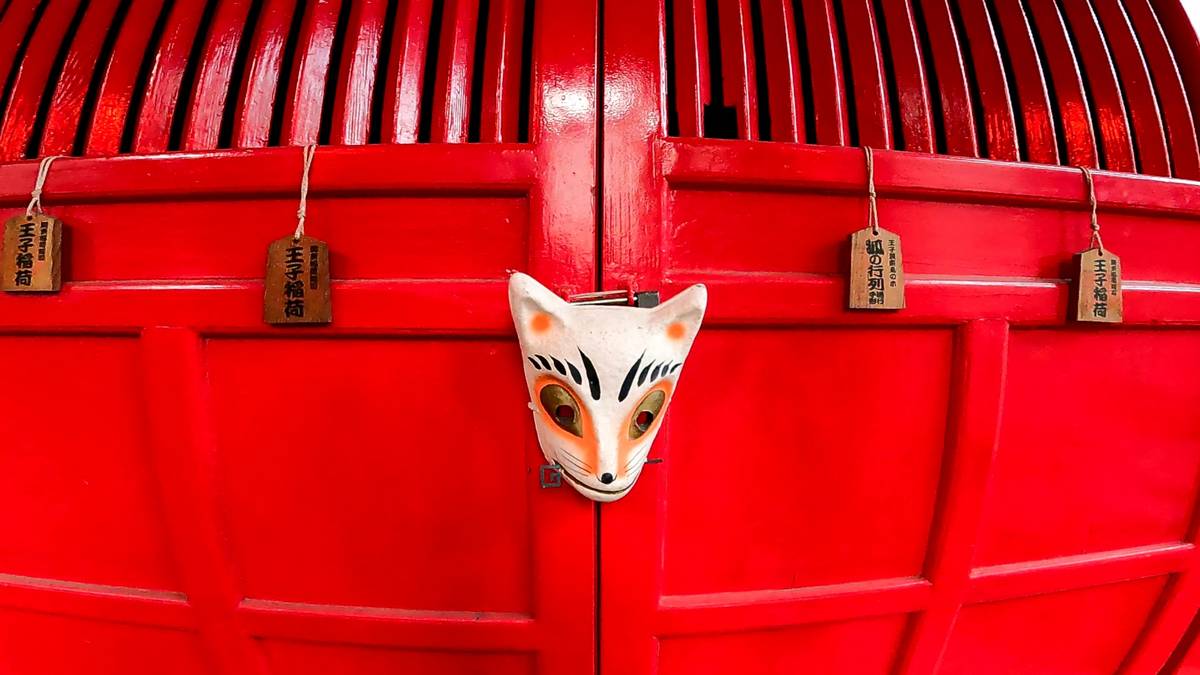
Each year from New Year’s Eve into New Year’s Day, approximately 300 people wearing fox masks process from Shōzoku Inari Shrine to Oji Inari Shrine, lanterns in hand. Called the Oji Fox Parade, this event recreates “Fox Fire on New Year’s Eve at the Shōzoku Tree in Oji,” a print by the celebrated ukiyo-e artist Utagawa Hiroshige. The parade has been held annually since 1993.
Fox fire, or kitsunebi, refers to mysterious flames long believed to be the work of foxes. On winter nights, the glow of lanterns moving through the procession conjures the fantastical world that people of Edo once believed they witnessed, bringing that enchanted realm back to life in the modern age.
〒114-0022 1-chōme-1-12 Ōjihonchō, Kita City, Tokyo
Loading map...
Stories about this place
Discover stories and insights about Oji Shrine
Last Updated: