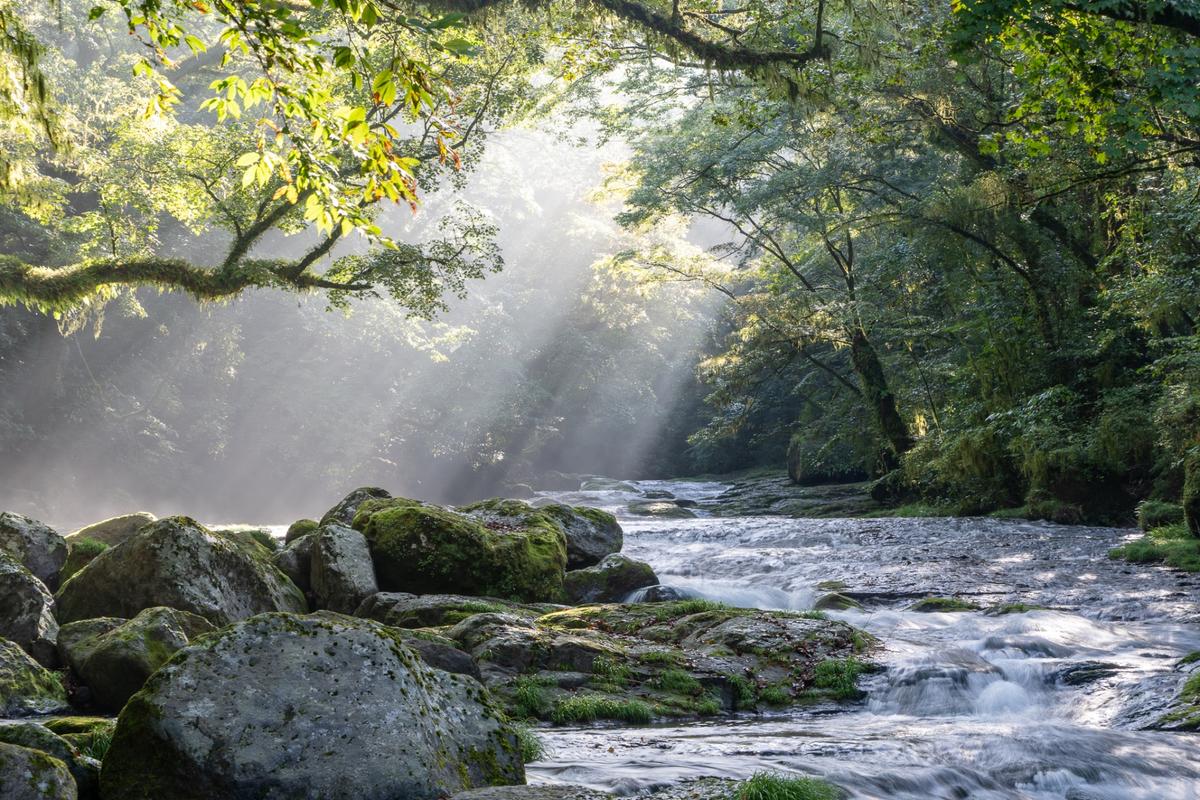
Kumamoto
熊本県
Start here
What to know about Kumamoto
Kumamoto Prefecture offers a wealth of attractions, from historic structures and natural scenery to hot springs and island tourism. The castle built by Katō Kiyomasa, a volcano with one of the world’s largest calderas, riverside hot spring towns, and Christian heritage alongside island landscapes welcome visitors.
Kumamoto Castle
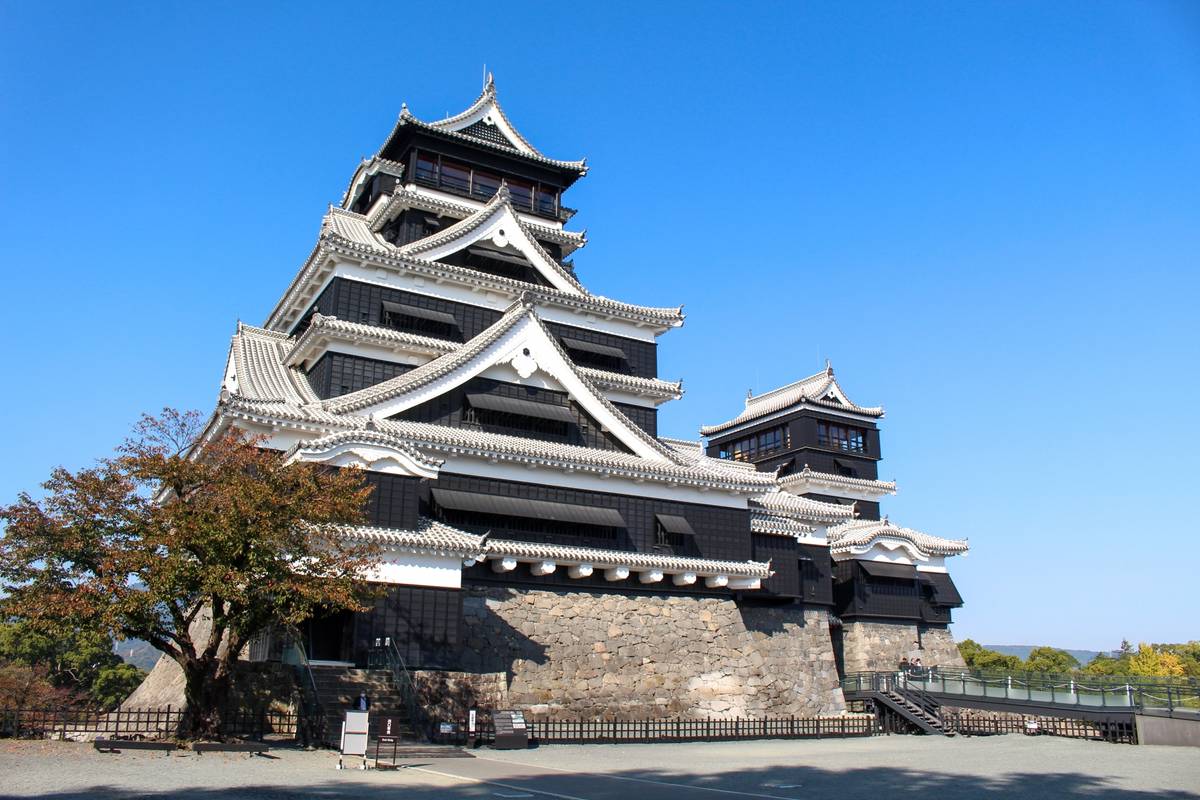
Kumamoto Castle, built by Katō Kiyomasa, ranks among Japan’s three premier castles. Its distinctive musha-gaeshi stonework, with curved, inward-angling walls, was designed to hinder attackers. The 2016 Kumamoto earthquakes caused significant damage to the main tower and stone walls, yet restoration continues, with the tower’s external restoration completed in 2021. Visitors can appreciate the castle’s history and present state while witnessing the spirit of recovery.
Mount Aso
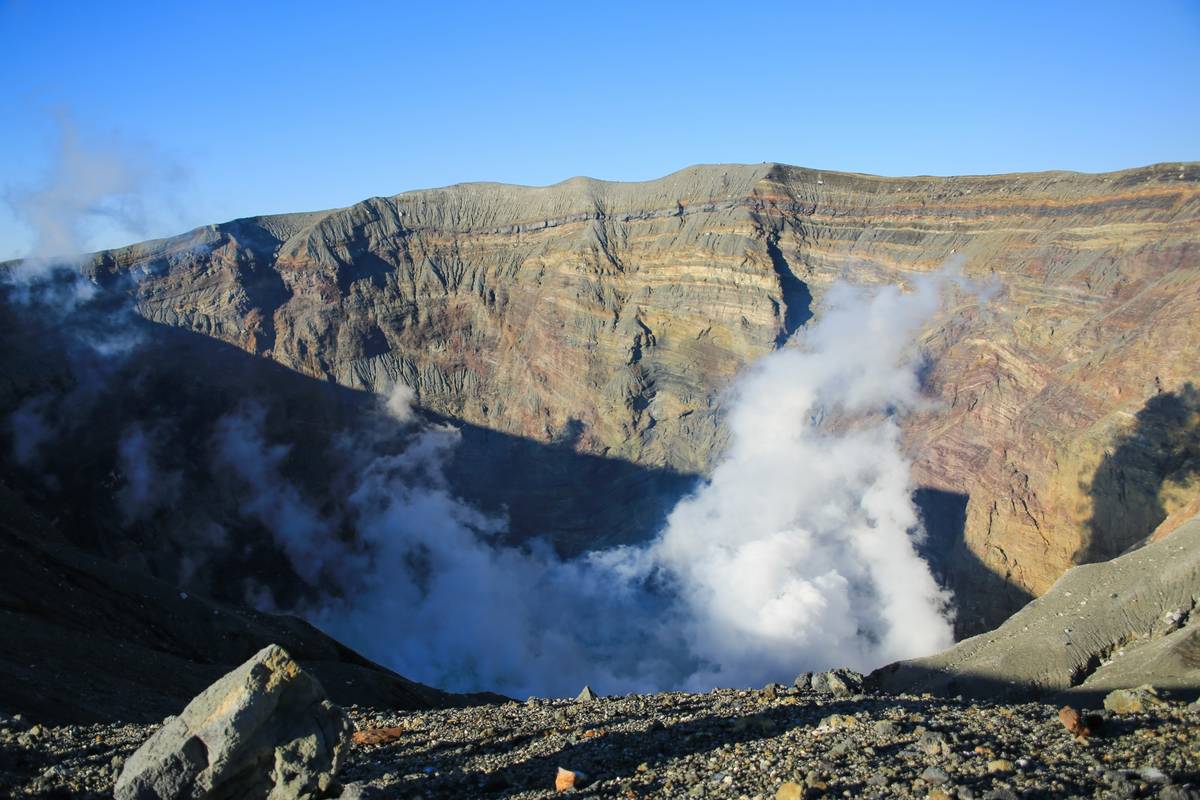
Mount Aso, with one of the world’s largest calderas, represents the prefecture’s defining natural landscape. Kusasenrigahama presents a beautiful expanse of green grassland and ponds, while Daikanbō serves as a viewpoint on the outer caldera ridge offering 360-degree panoramic views. Nakadake remains an active volcano where you can observe smoke rising from the crater, though access restrictions apply depending on volcanic activity. The landscape transforms with each season, capturing the hearts of those who visit.
Kurokawa Onsen
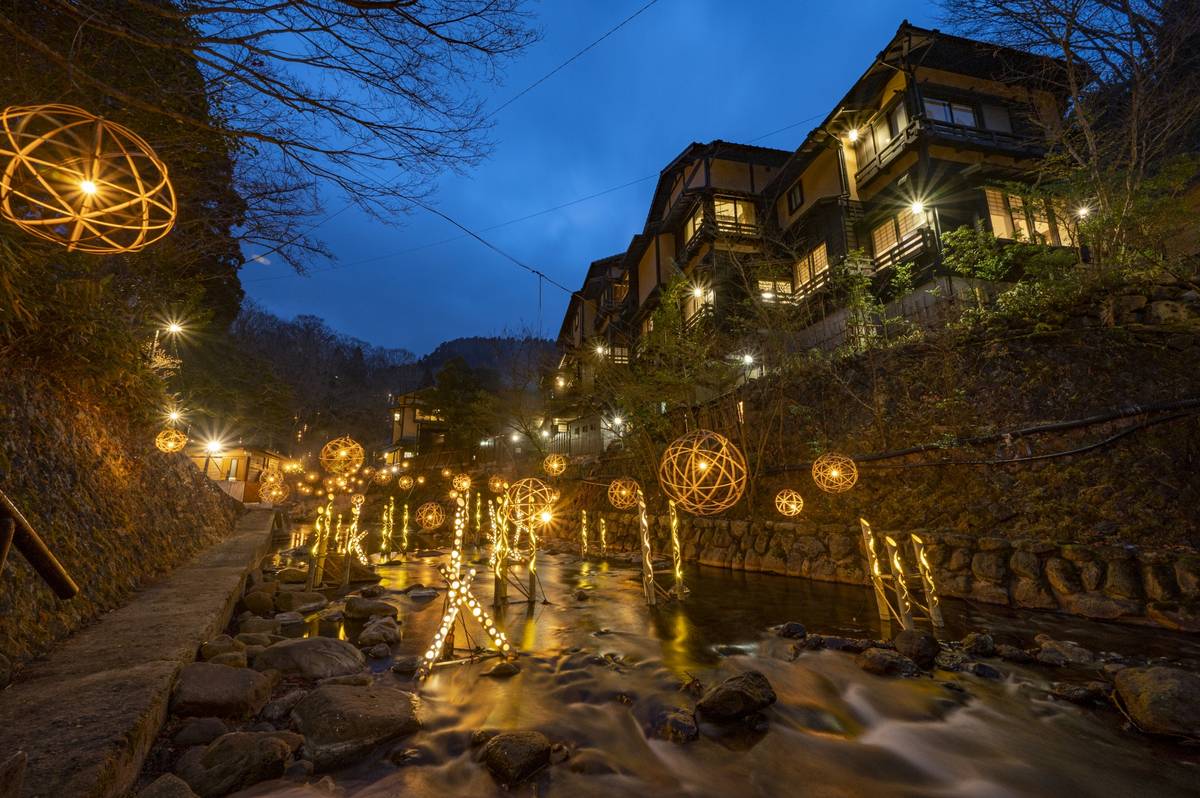
Located in Minami-Oguni Town, Kurokawa Onsen has gained nationwide recognition as a hot spring village where charming inns line the riverbanks. The nyūtō tegata bathing pass allows guests to enjoy onsen hopping across multiple inns. The region’s commitment to scenery preservation has earned acclaim, with unified architectural design and surrounding environment creating a distinctive atmosphere.
Amakusa
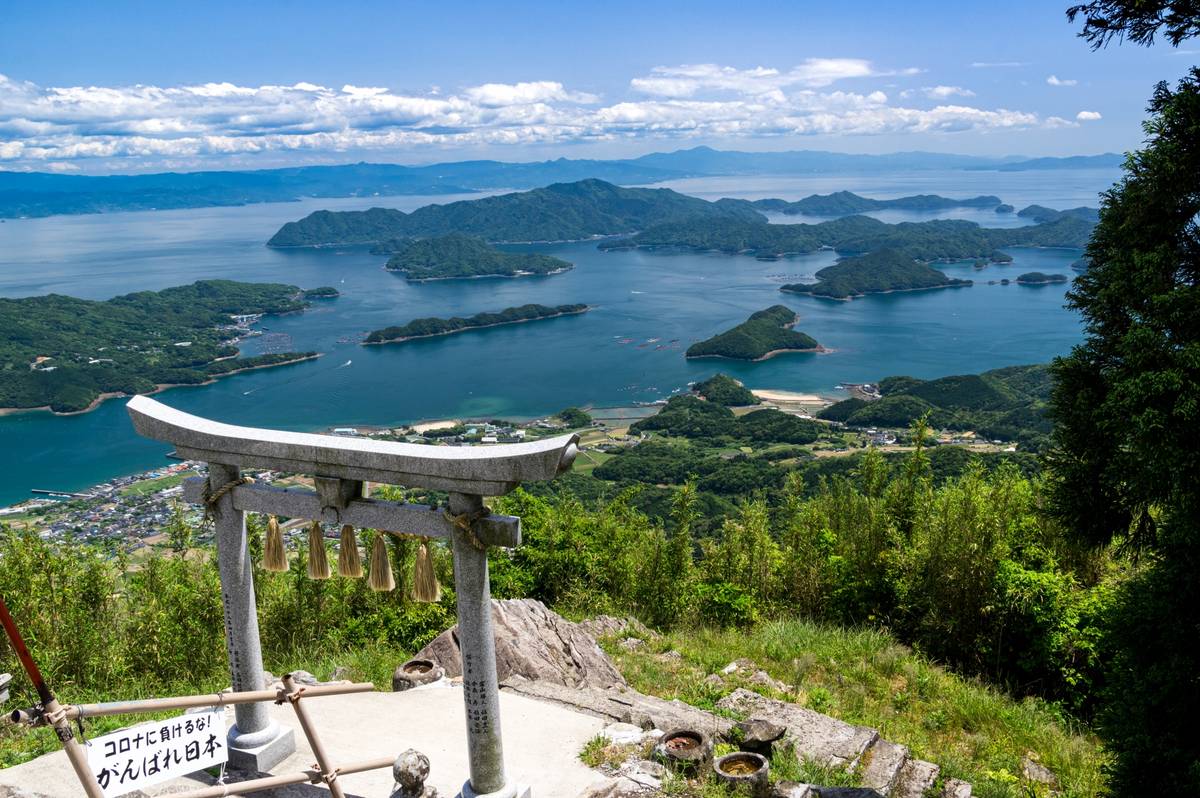
To the southwest, the Amakusa archipelago comprises roughly 120 islands where seascapes take center stage. The Five Bridges of Amakusa connect the main islands, making island-to-island travel convenient. Sakitsu Village has been recognized as a component asset of the UNESCO World Heritage Site for Hidden Christian Heritage and Culture, bearing witness to history and faith that endures to this day. Dolphin watching remains popular, offering encounters with marine life.
Location
Where is Kumamoto?
Kumamoto Prefecture is located in central Kyūshū, with Kumamoto City as its prefectural capital. As of December 2023, the population is approximately 1.72 million, making it a designated city that ranks 17th in size nationally.
The geography is defined by Mount Aso, which holds one of the world's largest calderas with a diameter of roughly 25 kilometers. Within this vast caldera rise the Aso Gogaku, the five peaks of Aso, where grasslands spread across the landscape. The Kumamoto Plain has long served as an agricultural region, with the Ariake Sea to the west and the Shiranui Sea to the southwest. The islands are equally rich, with the Amakusa archipelago comprising approximately 120 islands.
The climate is susceptible to the rainy season, with summers bringing high heat and humidity. The inland Aso region experiences snowfall in winter, while coastal areas remain relatively mild. It helps to keep seasonal climate differences in mind when planning a visit.
Loading map...
Access
Getting to Kumamoto
Aso Kumamoto Airport is approximately two hours by flight from Tokyo's Haneda Airport. Buses connect the airport to central Kumamoto City in about 50 minutes.
The Kyūshū Shinkansen is a convenient option. The journey from Hakata Station to Kumamoto Station takes approximately 33 minutes. From Tokyo, the Nozomi shinkansen reaches Hakata in roughly five hours, followed by 33 minutes to Kumamoto Station, for a total of about five and a half hours. From Osaka, direct Mizuho and Sakura trains take approximately three hours.
Getting Around the Prefecture
The Kumamoto City Tram operates two lines connecting the city center. The Kumamoto Transportation Center provides an extensive bus network, with the Aso region accessible via express bus or the JR Hōhi Main Line.
Seasonal Considerations
The rainy season from June to July brings heavy rainfall and requires caution. In the Aso region, watch for icy road conditions during winter months.
Local pride
Specialty Products
Kumamoto's industries span agriculture, livestock farming, fishing, and traditional crafts. Agriculture centers on tomato and watermelon production, while igusa rush grass accounts for over 90 percent of the nation's supply. The vast grasslands at the base of Mount Aso support a thriving pastoral tradition, with horse meat and lean beef well known throughout the region. The Ariake Sea and Shiranui Sea yield abundant marine resources along the coast. Traditional metalwork and ceramics continue to be passed down, standing as representative industries of local culture.
Food
Crafts & Others
Through the ages
History of Kumamoto
Kumamoto Prefecture was historically known as Higo Province. From the late Sengoku period into the early Edo period, Katō Kiyomasa played a major role in the prefecture's development. After receiving the northern half of Higo in 1588, Kiyomasa completed Kumamoto Castle in 1601. Through water management and land reclamation projects, he developed the Kumamoto Plain and established the foundation for regional industry.
From 1632 onward, the Hosokawa clan governed all of Higo. The appointment of Hosokawa Tadatoshi brought encouragement for scholarship and culture, establishing Kumamoto's cultural base. This system continued until the Meiji Restoration.
In modern times, the Satsuma Rebellion left its mark on prefectural history. In 1877, forces led by Saigō Takamori besieged Kumamoto Castle for approximately 50 days, yet the castle never fell. In 2016, the Kumamoto earthquakes brought maximum seismic intensity of 7 on two separate occasions, inflicting severe damage on the castle's main tower and stone walls. Restoration work has progressed, with the tower's external restoration completed in 2021.
Continue exploring
Discover other areas and hidden gems across Kyushu Region.