Hakata
博多区
Things to Do in and Around Hakata
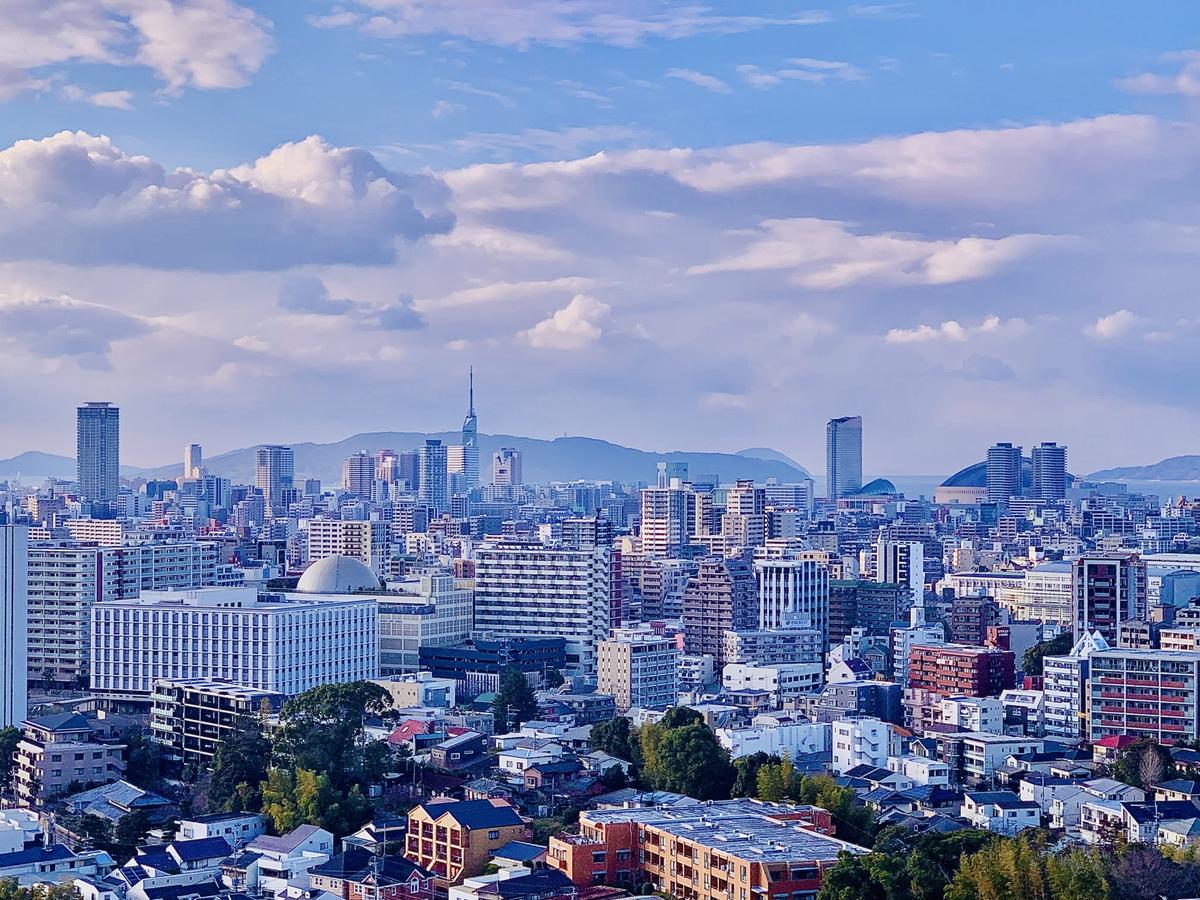
Hakata Ward is where many travelers first set foot when they arrive in Kyushu. With Hakata Station served by the shinkansen and Fukuoka Airport just five minutes from the city center by subway, trips throughout Kyushu start right here. Once a leading trading port of Japan, it grew into a town of merchants, and old shrines and temples such as Kushida Shrine and Tōchō-ji still stand on its street corners. When night falls, the lanterns of the food stalls glow along the rivers of Nakasu, and steam rises from bowls of tonkotsu ramen. This is the heart of Fukuoka City, where the weight of history and the warmth of everyday life blend along the same streets.
Places to visit in Hakata
Where is Hakata?
Hakata Ward is one of the seven wards that make up Fukuoka City, stretching from the city center toward Hakata Bay. The Naka River, which flows along its western edge, once marked the boundary between Fukuoka, long a town of samurai, and Hakata, a town of merchants. Even today, the eastern bank of the Naka River keeps the atmosphere of the old Hakata quarter, with its narrow lanes and historic shrines and temples.
Within the ward, a business district spreads out around Hakata Station, the largest transport terminal in Kyushu, while older streetscapes live on in places like Kamikawabata, home to Kushida Shrine, and Gokusho-machi, where temples stand close together. A bayside area opens up along the coast, and Fukuoka Airport sits within the ward as well. What makes Hakata distinctive is how its business district, sightseeing spots, and air gateway are all gathered into one compact area.


Getting Around
Hakata Station is the railway heart of Kyushu, where the Sanyō and Kyushu Shinkansen lines arrive and depart. From Tokyo the shinkansen takes about five hours, and from Shin-Osaka about two and a half hours. By air, Fukuoka Airport is the convenient choice, and the subway Airport Line connects its domestic terminal to Hakata Station in only about five minutes. Having the airport so close to the city center is one of Fukuoka's great strengths.
Within the ward and around central Fukuoka, the subway and city buses are the easiest ways to get around. Hakata Station, the Tenjin shopping district, and Nakasu-Kawabata are only a few minutes apart by subway or bus. For short distances a taxi is handy and lets you cover the sights efficiently. Because the main attractions are within easy reach of Hakata Station on foot or by subway, there is no need to drive in an unfamiliar place.
Loading map...
About Hakata
The town of Hakata is a port where people and goods have passed through for more than a thousand years. Old shrines and temples stand shoulder to shoulder with new shopping complexes, and time-honored festivals share the streets with nighttime food stalls, all within a small area. It is not only a starting point for travel across Kyushu but a destination in its own right.
A Merchant Town That Almost Became 'Hakata City'
Fukuoka City
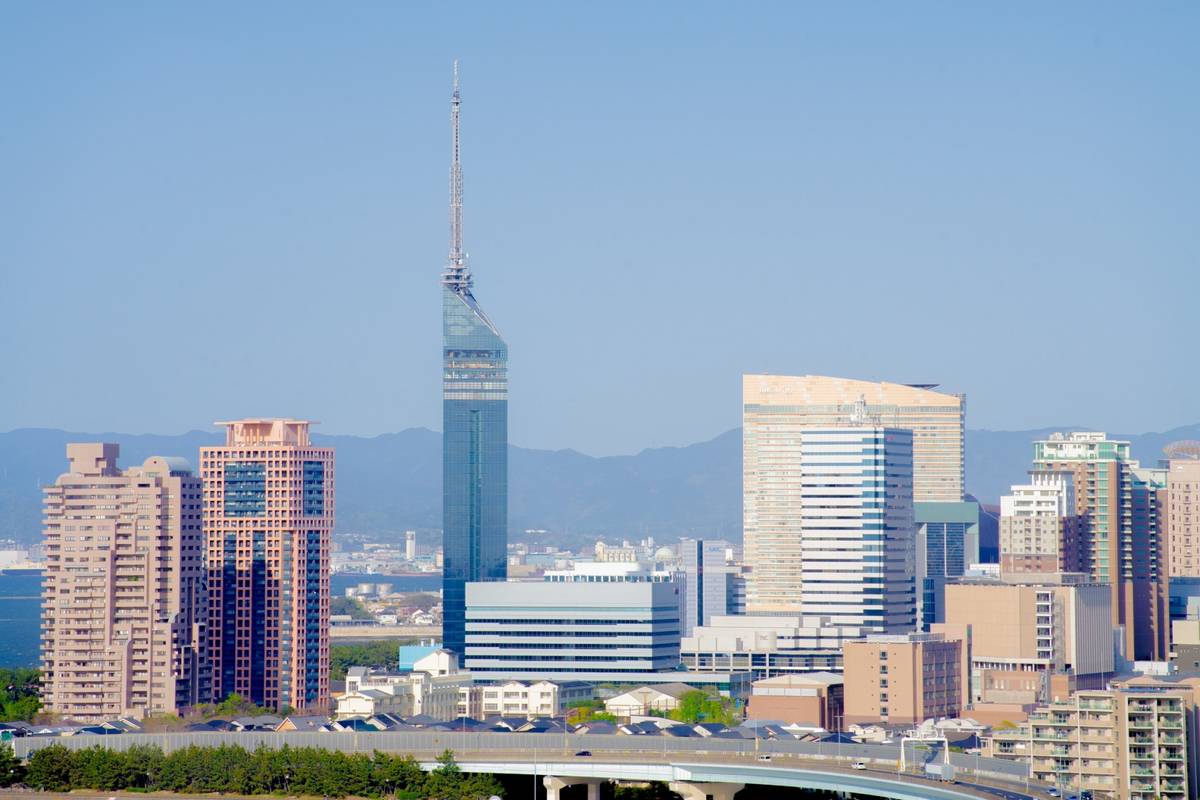
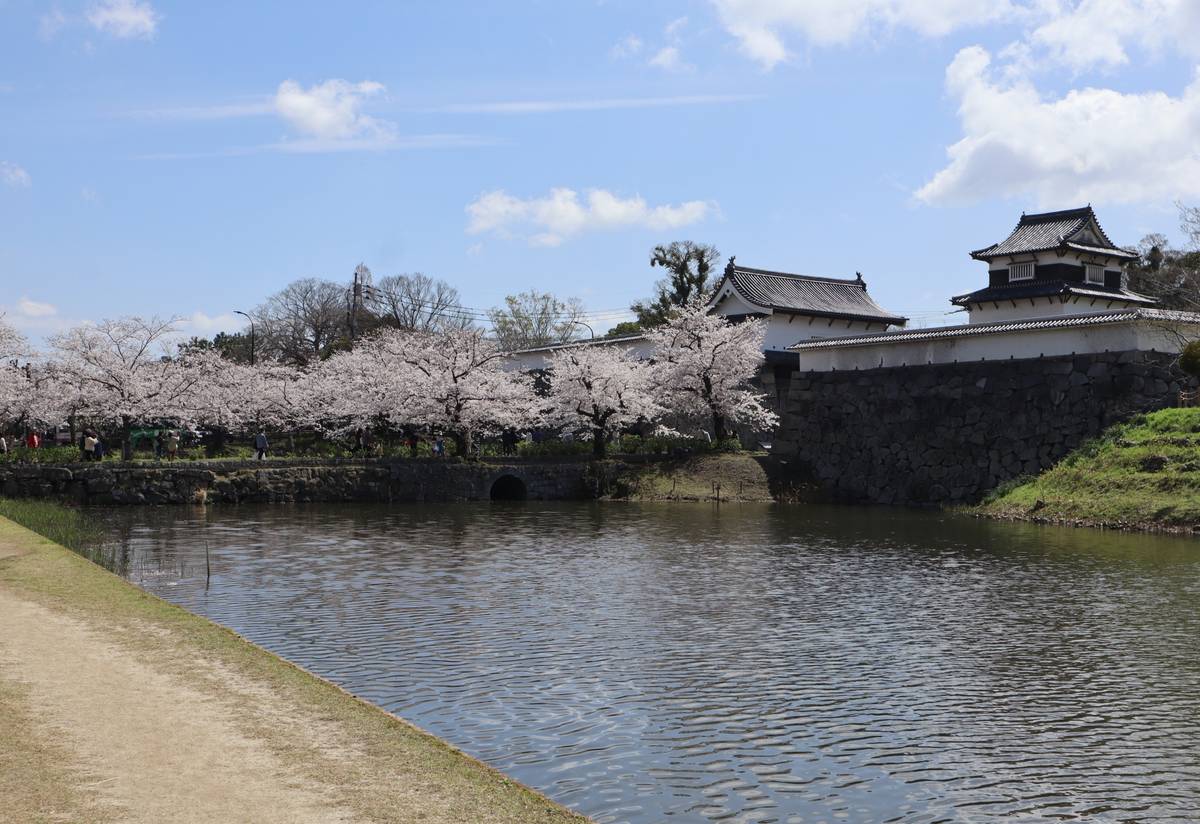
There is a reason Hakata is called a town of merchants. In the Heian period it thrived as a window for trade with China, and after it burned in the wars of the Sengoku era, the warlord Toyotomi Hideyoshi rebuilt it as a place where merchants could come and go freely. On the western side of the Naka River, meanwhile, lay Fukuoka, the town of samurai where the Kuroda clan built Fukuoka Castle.
Fukuoka Castle
In 1889 these two towns merged to form Fukuoka City. At the time Hakata had a larger population than Fukuoka, and there was even a proposal to name the new city 'Hakata City.' In the end, it is said that the decision came down to a single vote in favor of 'Fukuoka City.' The city took the name Fukuoka, yet the station kept the name Hakata, and the two names are still used side by side today.
Kushida Shrine and the Hakata Gion Yamakasa Festival
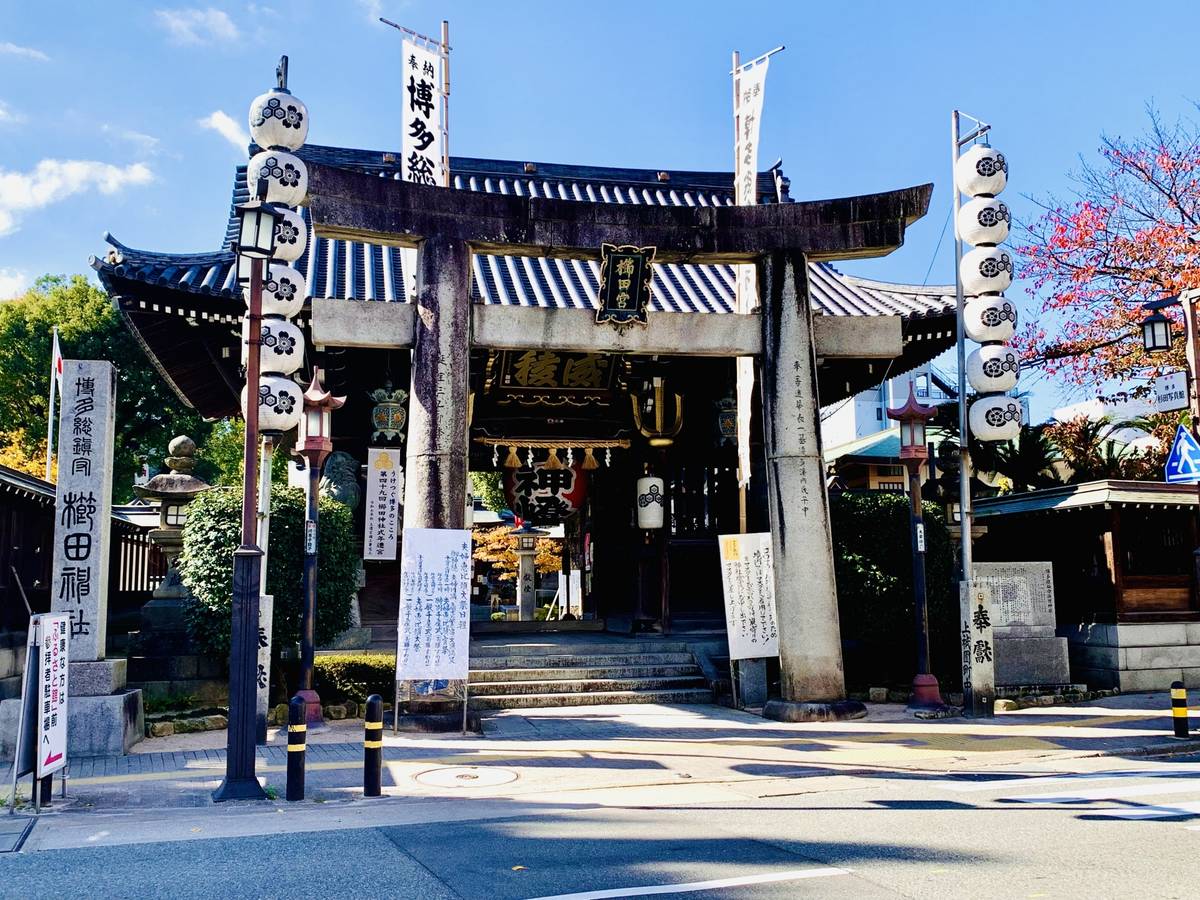
Kushida Shrine
Affectionately called 'Okushida-san' by the people of Hakata, Kushida Shrine is the guardian shrine that has watched over the town. In its grounds, a tall and lavishly decorated festival float called a yamakasa is on display all year round, so you can see its full presence up close even outside the festival season.
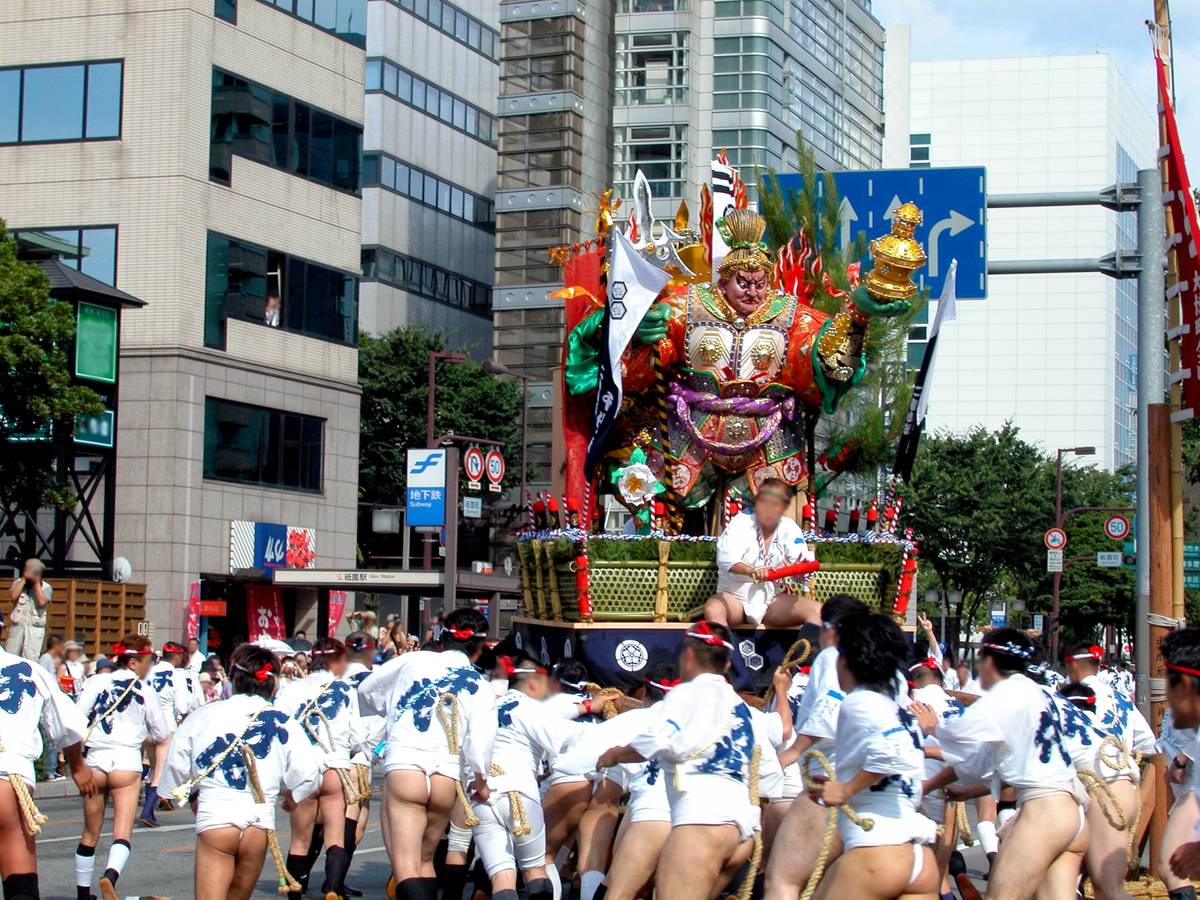
Hakata Gion Yamakasa
The shrine takes center stage during the Hakata Gion Yamakasa, a summer festival with more than 700 years of history. Held every year from July 1 to 15, it was added to UNESCO's list of Intangible Cultural Heritage in 2016. The climax is the Oiyama race in the early hours of July 15. Teams of bearers shoulder the heavy floats and dash through the streets of Hakata, and the cry of 'oisshoi' rings out along the roads before dawn.
Temple Walks in the Old Hakata Quarter
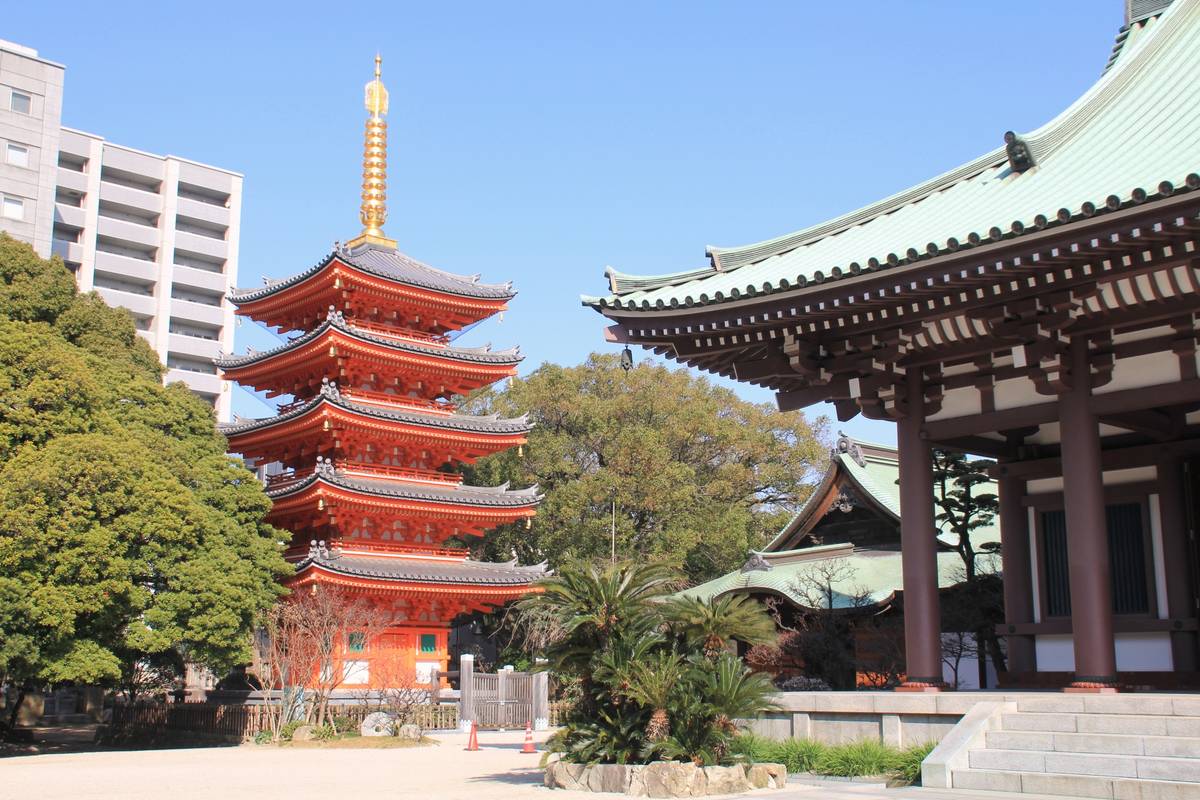
Tōchō-ji Temple
Around Gokusho-machi, about a ten-minute walk from Hakata Station, old temples stand quietly side by side. Among them, Tōchō-ji is an ancient temple said to have been founded in 806 by Kūkai, also known as Kōbō Daishi, soon after he returned from China.
The Fukuoka Great Buddha (Fukuoka Daibutsu) seated in the main hall is one of the largest wooden seated Buddha statues in Japan, standing 10.8 meters tall. Beneath its pedestal lies a passage through hell and paradise, where you feel your way through the darkness and emerge at the foot of the Buddha. Nearby stands Shōfuku-ji, the first Zen temple in Japan, founded in 1195 by Eisai. Eisai is also remembered for bringing tea seeds back from China, and the temple is deeply tied to the history of tea in Japan.
Canal City Hakata
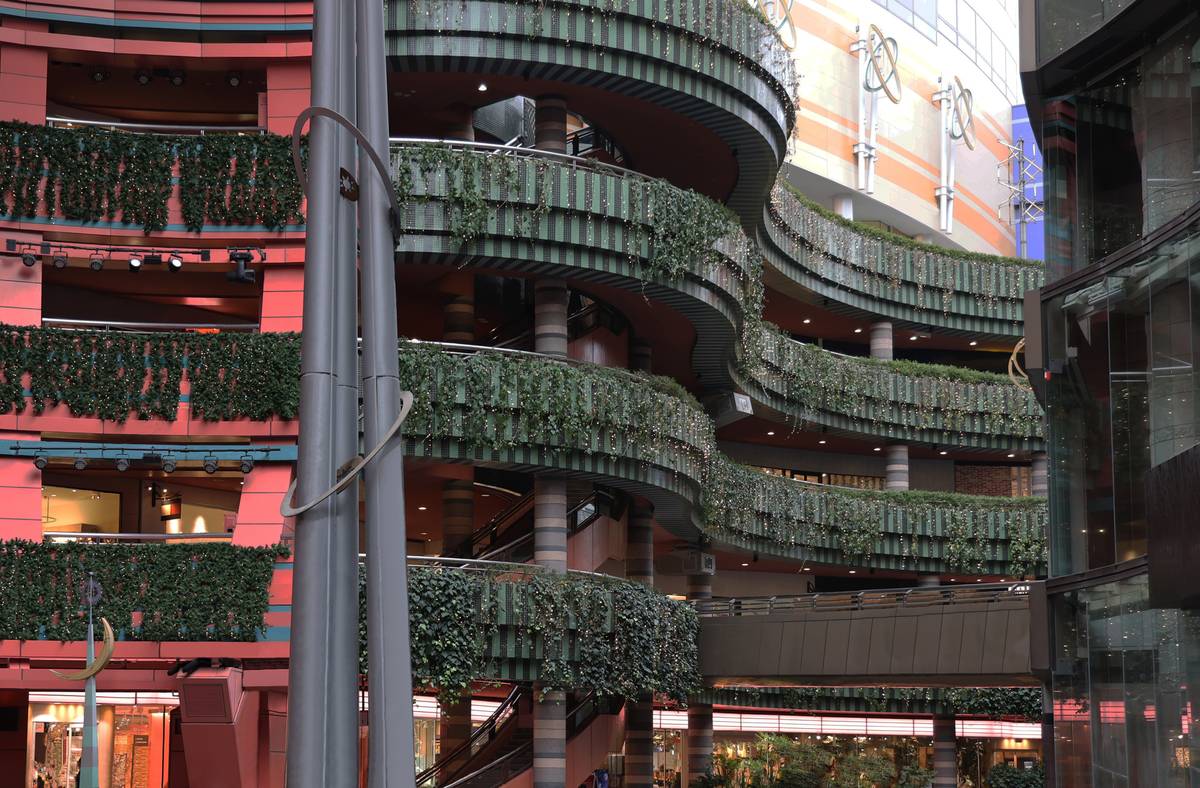
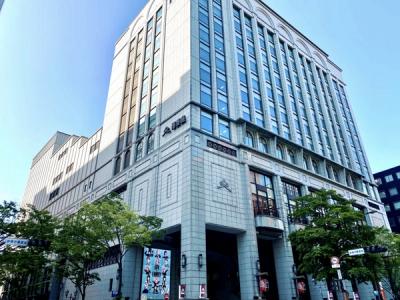
Canal City Hakata is a large shopping and entertainment complex with, as its name suggests, a canal running between its buildings. It opened in 1996 and marked its 30th anniversary in 2026. Shops, a hotel, and a cinema are all here, and fountain shows take place several times a day in the plaza along the canal.
Inside, the Ramen Stadium gathers famous shops from around the country. Alongside Fukuoka's signature tonkotsu ramen, made from a rich pork-bone broth, you can compare regional ramen from across Japan. It is an easy place to drop into while you shop.
Nakasu's Food Stalls and the Flavors of Hakata
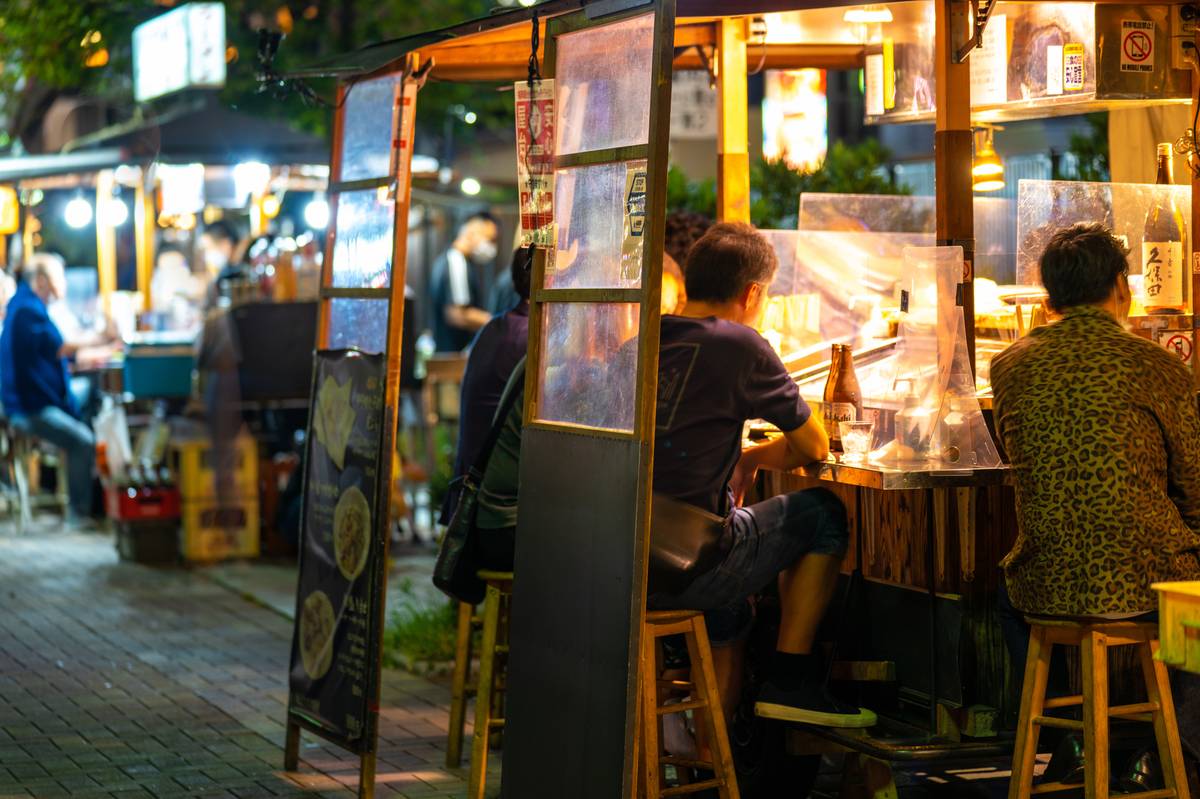
Yatai food stalls
Nakasu, set between the Naka River and the Hakata River, is one of the largest entertainment districts in Japan. As the sun goes down, food stalls line up one after another along the riverside walkways. These stalls, called yatai, are small mobile shops assembled at the roadside, and their charm lies in the closeness of it all, where you duck under the curtain and find a stranger sitting right beside you.
When it comes to the taste of Hakata, tonkotsu ramen comes first. The Hakata style pairs thin noodles with a cloudy white broth simmered slowly from pork bones. There is even a custom called kaedama, ordering another helping of noodles on their own. Hakata also offers other specialties that go well with a drink, such as motsunabe hot pot and spicy mentaiko cod roe.