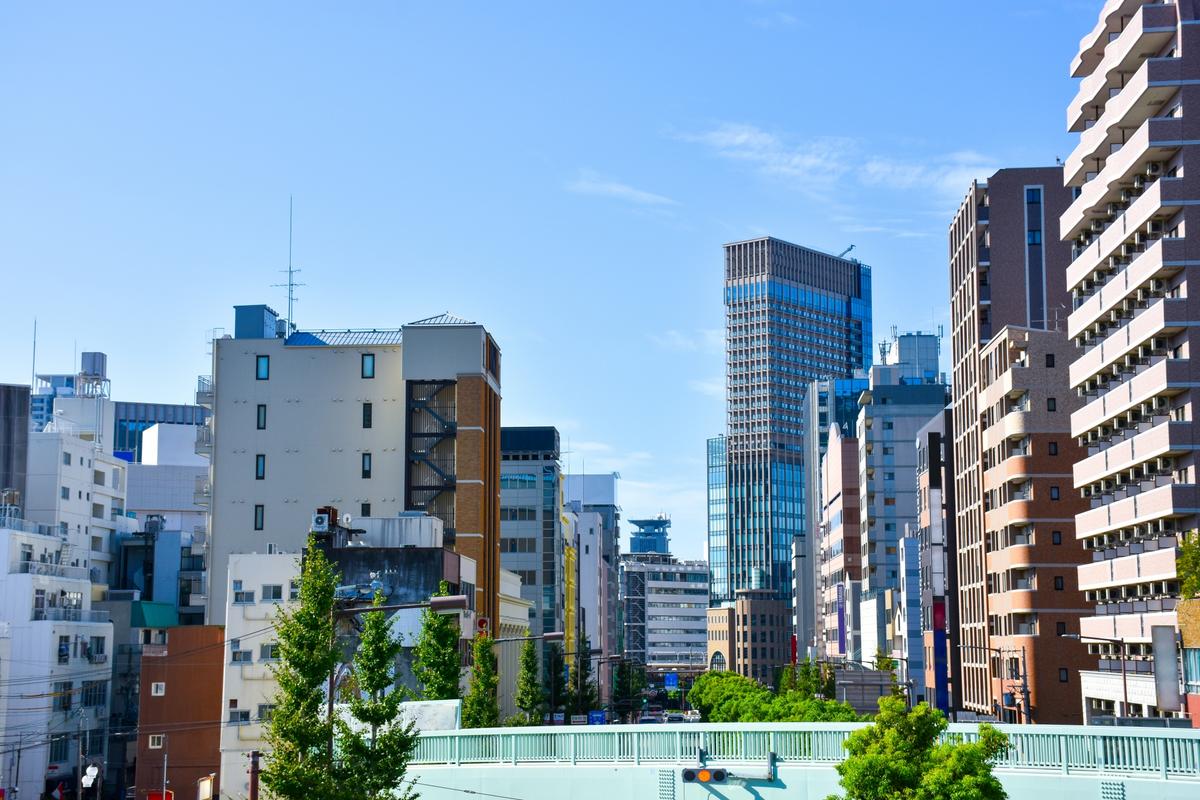
Kobe
神戸市
Things to Do in and Around Kobe
Kobe is the capital of Hyogo Prefecture and has grown into an international city ever since its port opened in 1868. Home to about 1.49 million people, this port town carries the imprint of cultures from both East and West. You will find the Kitano Ijinkan district lined with Western-style residences, Nankin-machi (one of Japan's three great Chinatowns), and the sake breweries of Nada that craft some of the country's finest rice wine. Framed by Mt. Rokko and Mt. Maya, the city also offers some of the most breathtaking night views in Japan.
One of Kobe's great appeals is its setting, where you can enjoy both the sea and the mountains. Western flair and Japanese tradition sit side by side here, and every visit seems to turn up something new. Whether you spend the day eating your way through the streets, visiting museums, or taking in the view from a mountaintop, there is no shortage of ways to fill your time.
Places to visit in Kobe
Where is Kobe?
Kobe sits on the southern coast of Hyogo Prefecture, facing the Seto Inland Sea as one of Japan's leading port cities. The city covers 556.93 square kilometers and is home to roughly 1.49 million residents. Ashiya borders it to the east and Akashi to the west, while Sanda and Tamba-Sasayama lie to the north.


Getting Around
From Tokyo, the Nozomi shinkansen reaches Shin-Kobe Station in about two hours and 40 minutes. From Osaka, a JR Special Rapid Service brings you to Sannomiya Station in roughly 21 minutes, putting Kobe within easy reach of the major cities of the Kansai region. From Kansai International Airport, a high-speed ferry crosses to Kobe Airport in about 30 minutes, and the Port Liner then carries you on to Sannomiya in another 18.
Once you arrive, the municipal subway and the City Loop Bus cover most of the ground you need. The City Loop Bus runs a circuit through the main sightseeing spots, with a route that is easy to follow even on a first visit.
Loading map...
About Kobe
Kobe has been a meeting point of foreign and Japanese cultures since its port opened to the world. Squeezed between the harbor and the mountains, the city packs in landmarks that keep shifting in character as you walk from one to the next.
The Kitano Ijinkan District
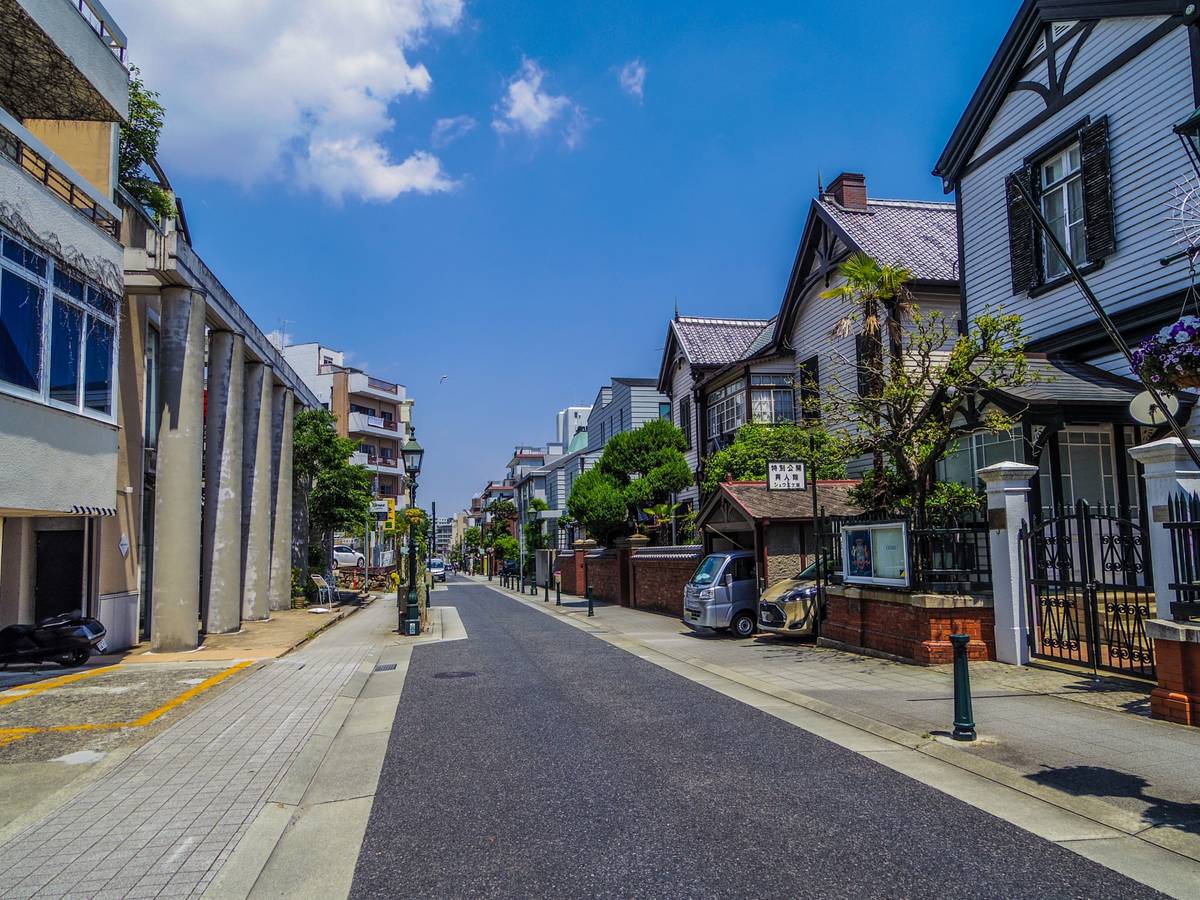
Kitano Ijinkan Street
Kitano-chō Yamamoto-dōri still keeps its Meiji-era Western architecture. Designated a Preservation District for Groups of Traditional Buildings in 1980, the neighborhood holds around 30 ijinkan (Western-style homes once lived in by foreign residents), and roughly 20 of them are open to visitors.
The best known is the Weathercock House (Kazamidori no Yakata). Completed in 1909, this red-brick residence is dressed in German-style ornament and has been designated an Important Cultural Property. Another favorite is the Moegi House (Moegi no Yakata), built in 1903, whose pale green walls stand out beautifully along the sloping streets. Climbing the hill and stepping through one ijinkan after another, you catch glimpses of the years when Kobe thrived as a hub of international trade.
Nankin-machi and Motomachi
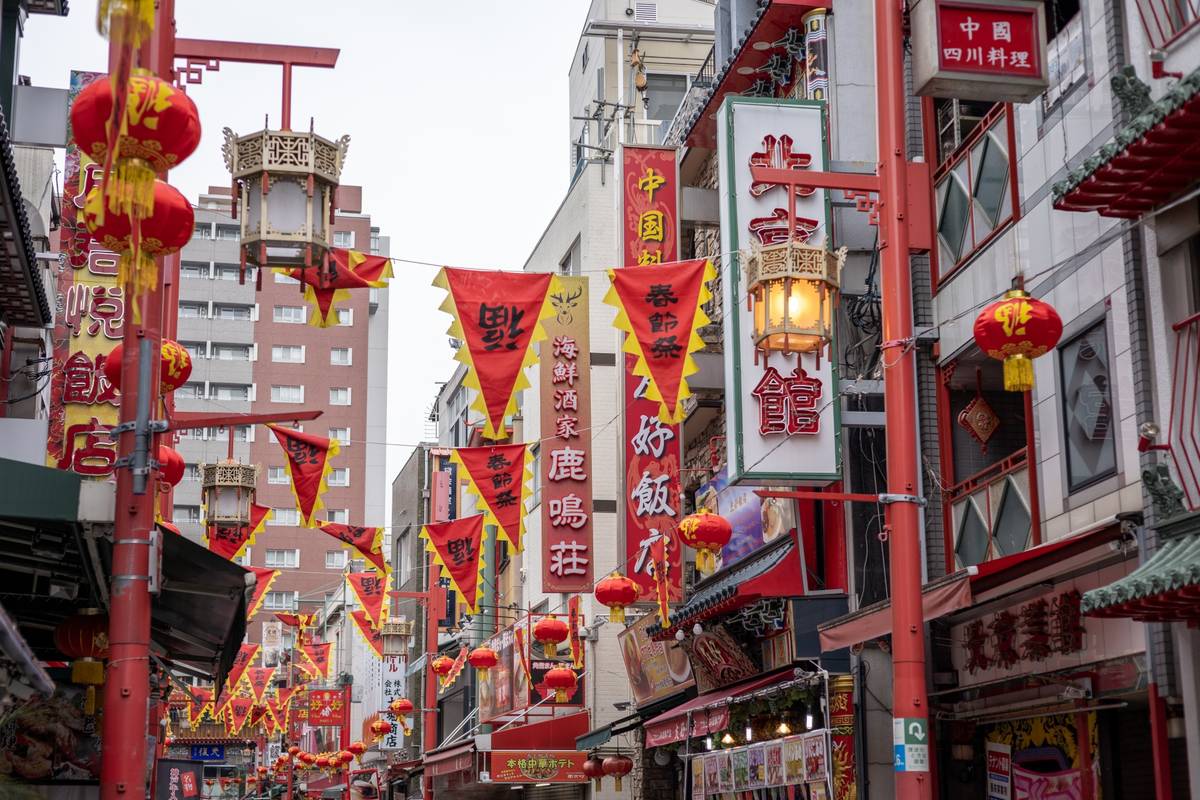
Nankin-machi is counted among Japan's three great Chinatowns. Chinese settlers gathered here after the port opened, and today more than 100 shops crowd into a quarter that stretches about 270 meters east to west and 110 meters north to south.
The neighborhood was reduced to ashes in the Kobe air raids of 1945, but it found its footing again after a merchants' association was founded in 1975. Walk through alleys where the steam of nikuman drifts in the air, and shop after shop tempts you with authentic Chinese cooking, dim sum, and sweets. Pair the visit with the neighboring Motomachi shopping street, and you can sense the depth of Kobe's food culture.
The Sake Breweries of Nada and Miyamizu Water
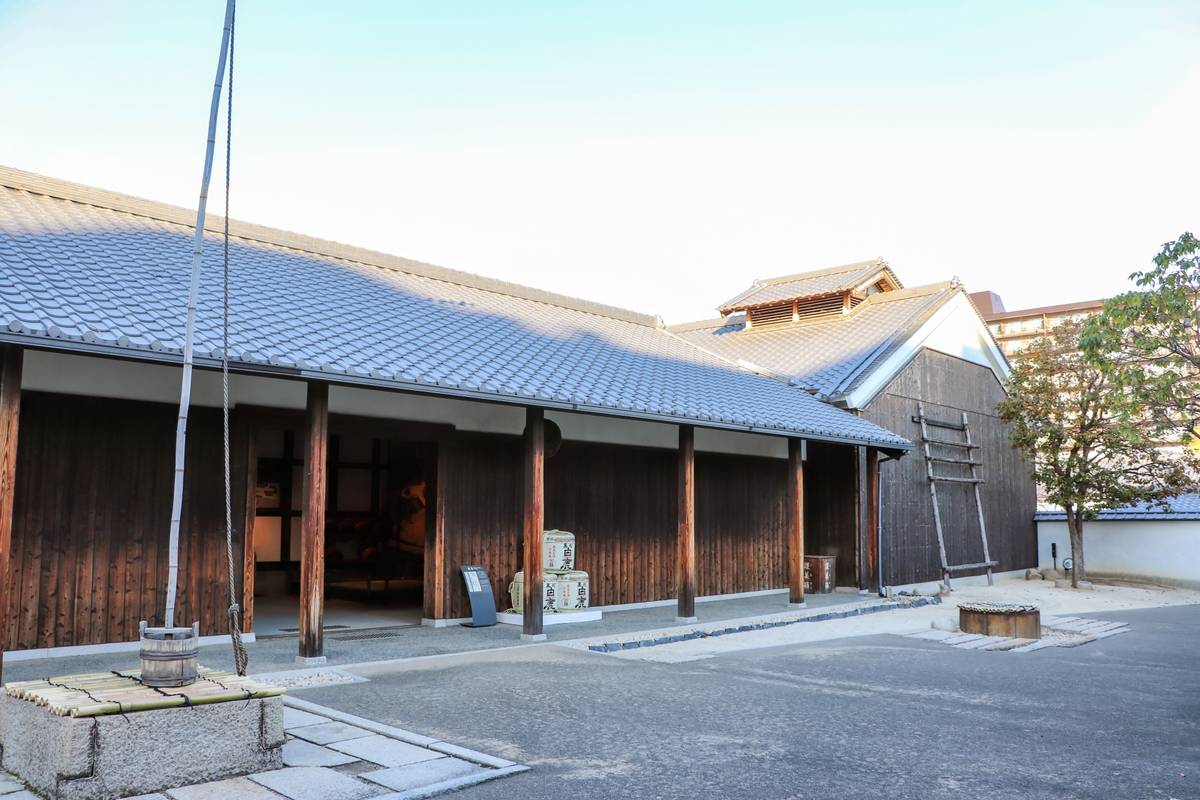
Nada accounts for about 25 percent of all sake brewed in Japan. The Nada Gogō (the five sake-brewing districts of Nada) brings together Imazu-gō, Nishinomiya-gō, Uozaki-gō, Mikage-gō, and Nishi-gō, with Nada Ward and Higashi-Nada Ward being especially thick with kura (traditional breweries).
What makes the sake here so good is a particular water known as miyamizu. Yamamura Tazaemon of the Sakura Masamune brewery first identified it in 1840, and it turned out to be groundwater filtered through the granite layers of Mt. Rokko. Rich in minerals yet almost free of iron, this exquisite balance has long given Nada sake its bold, full-bodied character.
The Views from Mt. Rokko and Mt. Maya
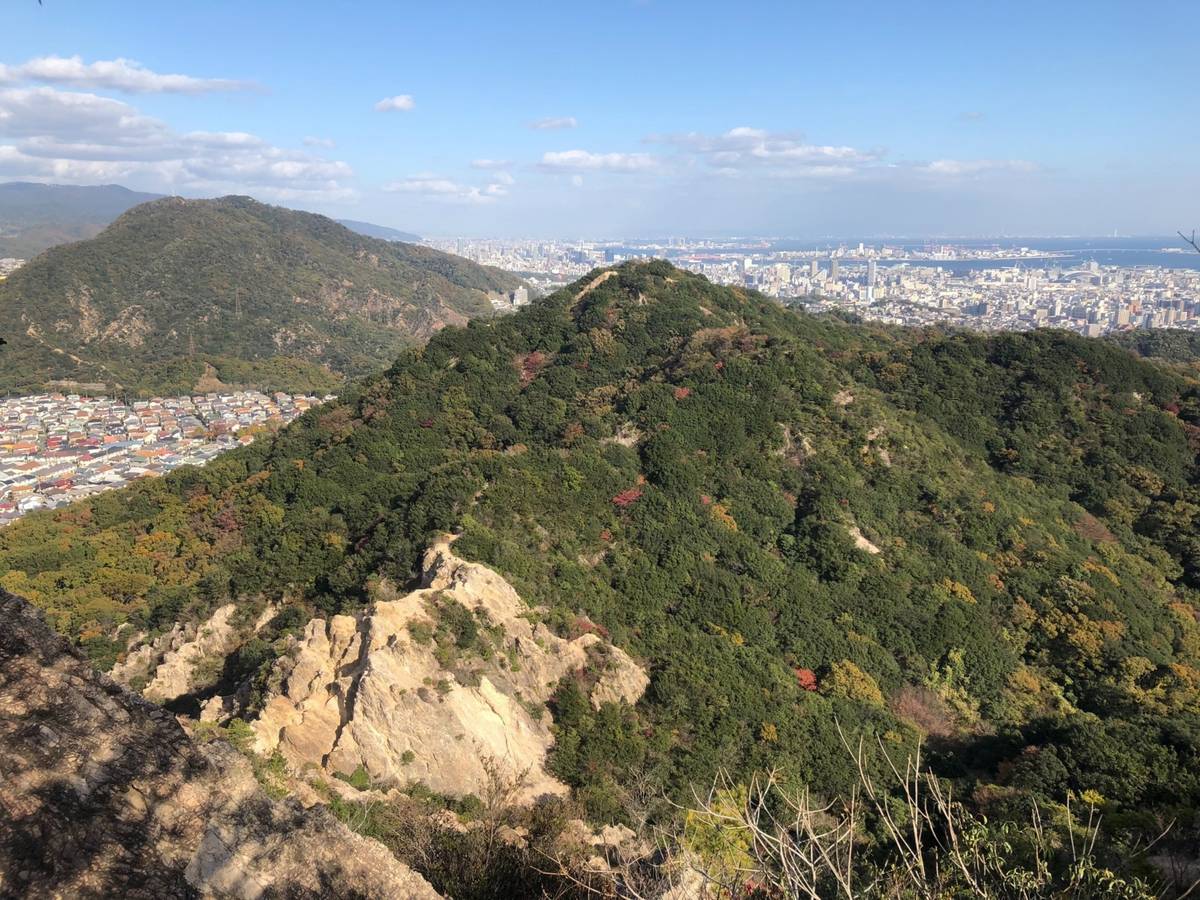
Mt. Rokko
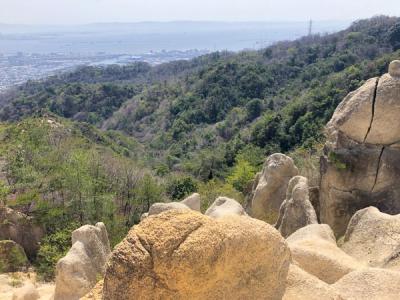
The Rokko mountain range rises along Kobe's northern edge, with its highest peak reaching 931 meters. An extensive network of hiking trails covers the slopes, and each season gives the area a different face, putting the bustle of the city far behind you. Rokko-san Pasture, the botanical garden, and other facilities also make the mountain an easy destination for families.
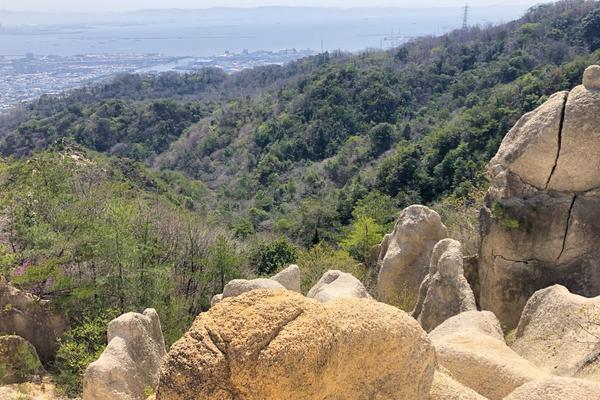
The view you should not miss is from Kikuseidai on Mt. Maya. From this observation deck at 690 meters above sea level, you look out over one of Japan's three great night views. The name suggests stars close enough to scoop up by hand, and the lights along Osaka Bay live up to it, spilling from your feet all the way to the horizon without a break.
Kobe Port and the Waterfront
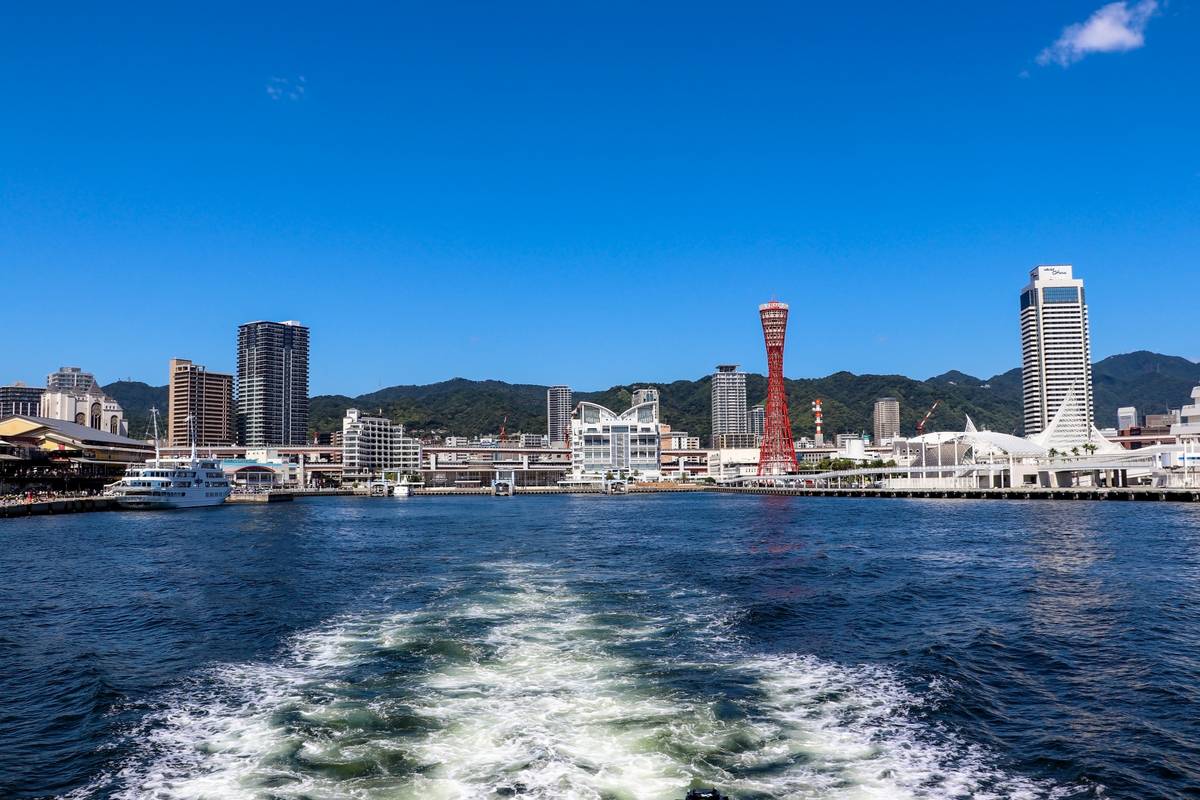
The port that opened in 1868 remains one of Asia's leading hubs for international trade. Rising above the waterfront, Kobe Port Tower reopened in April 2024 after a full renewal. Beyond the observation room set 108 meters above the ground, a newly built open-air deck now lets you take in the harbor with the breeze on your face.
Nearby stands the BE KOBE monument, installed in 2017 and now a favorite backdrop for travelers' photos. The Kobe Maritime Museum and Kawasaki World are close at hand for anyone curious about the port's history and the engineering that shaped it. The waterfront as a whole reflects both Kobe's past and its present.