Suginami
杉並区
Things to Do in and Around Suginami
Suginami sits at the western edge of Tokyo's 23 special wards, home to roughly 18% of the nation's anime production studios. The Kōenji Awa Odori festival draws a million spectators each summer, Ogikubo ramen emerged from postwar black markets to develop its own distinctive style, and Zenpukuji Park preserves the spring-fed ponds of the Musashino Plateau. Just seven minutes from Shinjuku by JR Chūō Line, each station along the way reveals an entirely different character.
Where is Suginami?
Suginami lies in western Tokyo, some 10 kilometers west of Shinjuku, spanning roughly 34 square kilometers with a population of about 580,000 residents. To the north is Nerima, to the east are Nakano and Shibuya, to the south is Setagaya, and to the west are the cities of Mitaka and Musashino. The JR Chūō Line cuts through the ward from east to west, with four stations strung along it: Kōenji, Asagaya, Ogikubo, and Nishi-Ogikubo. The Tokyo Metro Marunouchi Line and Keiō Inokashira Line also serve the ward, putting Shinjuku and Shibuya within a 20-minute radius. Vestiges of the Musashino Plateau's greenery remain throughout, with footpaths running alongside the Zenpukuji and Kanda rivers.


Getting Around
From Shinjuku, the JR Chūō Line rapid service reaches Kōenji in about seven minutes, Asagaya in ten, and Ogikubo in fourteen. The Tokyo Metro Marunouchi Line also runs directly to Ogikubo, stopping at Hōnanchō, Higashi-Kōenji, Shin-Kōenji, and Minami-Asagaya along the way. The Keiō Inokashira Line covers the southern part of the ward through stations including Eifukuchō, Hamadayama, and Kugayama, reaching Shibuya in about fifteen minutes. The Suginami Animation Museum is roughly five minutes by bus from Ogikubo Station, while Zenpukuji Park is a fifteen-minute walk from JR Nishi-Ogikubo Station.
Loading map...
About Suginami
Home to Japan's greatest concentration of anime studios, Suginami shifts its character with every station along the JR Chūō Line, from the heat of summer festivals to the lingering tastes of postwar ramen traditions to the spring-fed ponds of the Musashino Plateau.
Anime City Suginami
The ward is home to 149 anime production studios. In 1964, Tokyo Movie (now TMS Entertainment) was founded here, followed in 1972 by the opening of Sunrise Studio in Kamiigusa. Today, Bandai Namco Filmworks maintains its headquarters in Ogikubo, and this corner of Tokyo has remained one of Japan's premier animation hubs for over six decades.
The free-entry Suginami Animation Museum offers hands-on stations where visitors can try voice acting and adding sound effects, learning the production process through direct engagement. Rotating exhibitions mean something new awaits on each visit. Open from 10 a.m. to 6 p.m., closed Mondays.
Kōenji: Awa Odori and Vintage Fashion
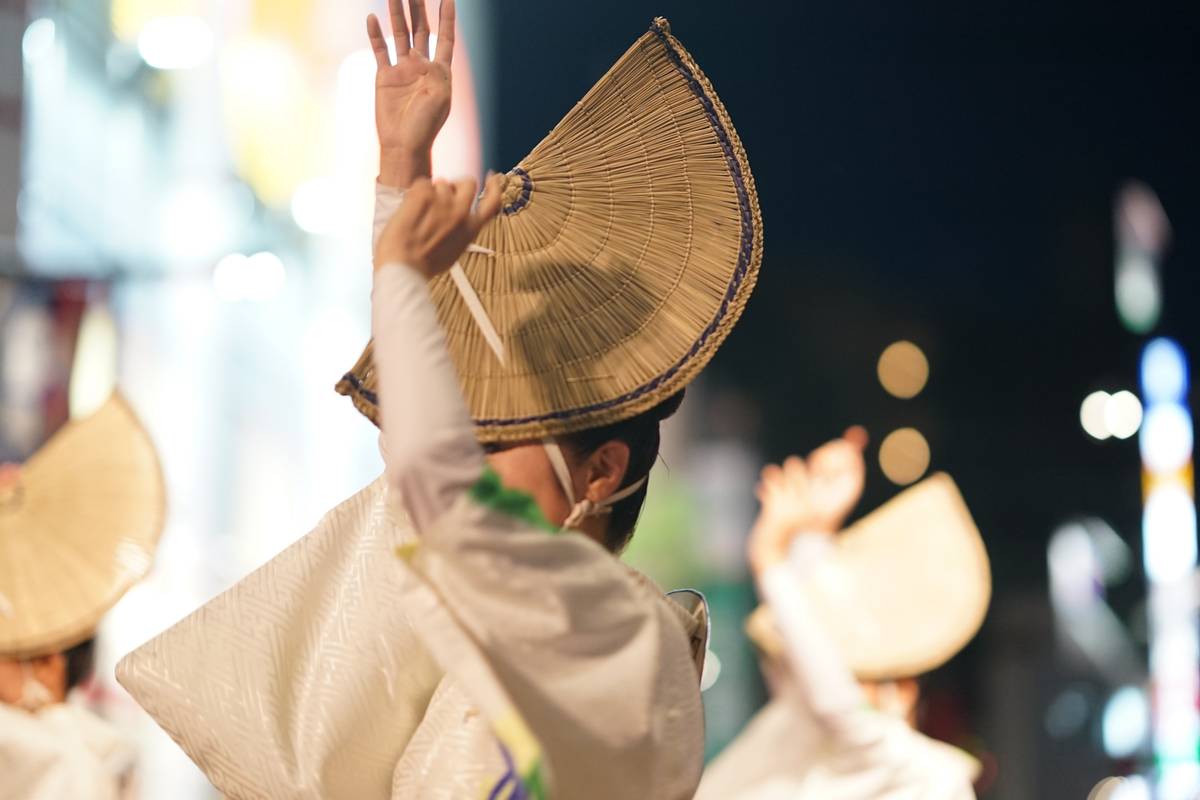
On the last Saturday and Sunday of August, Kōenji's shopping streets erupt into dance. The Kōenji Awa Odori transplants a traditional Obon dancing style from Tokushima Prefecture to Tokyo. Beginning in 1957 as a local merchants' initiative, the festival now draws roughly 10,000 dancers across 160 ren (troupes), with crowds of a million lining the streets. It is the second-largest Awa Odori in the country, after Tokushima's own.
Beyond festival season, Kōenji remains a lively walk. Vintage and secondhand clothing shops cluster densely around PAL and Look shopping arcades, offering everything from T-shirts for a few hundred yen to vintage denim worth tens of thousands. Just next door in Asagaya, the Asagaya Tanabata Festival has run each August since 1954, filling the shopping arcade with handmade papier-mâché decorations. It is one of Suginami's quintessential summer sights.
Ogikubo Ramen and Ōtaguro Park
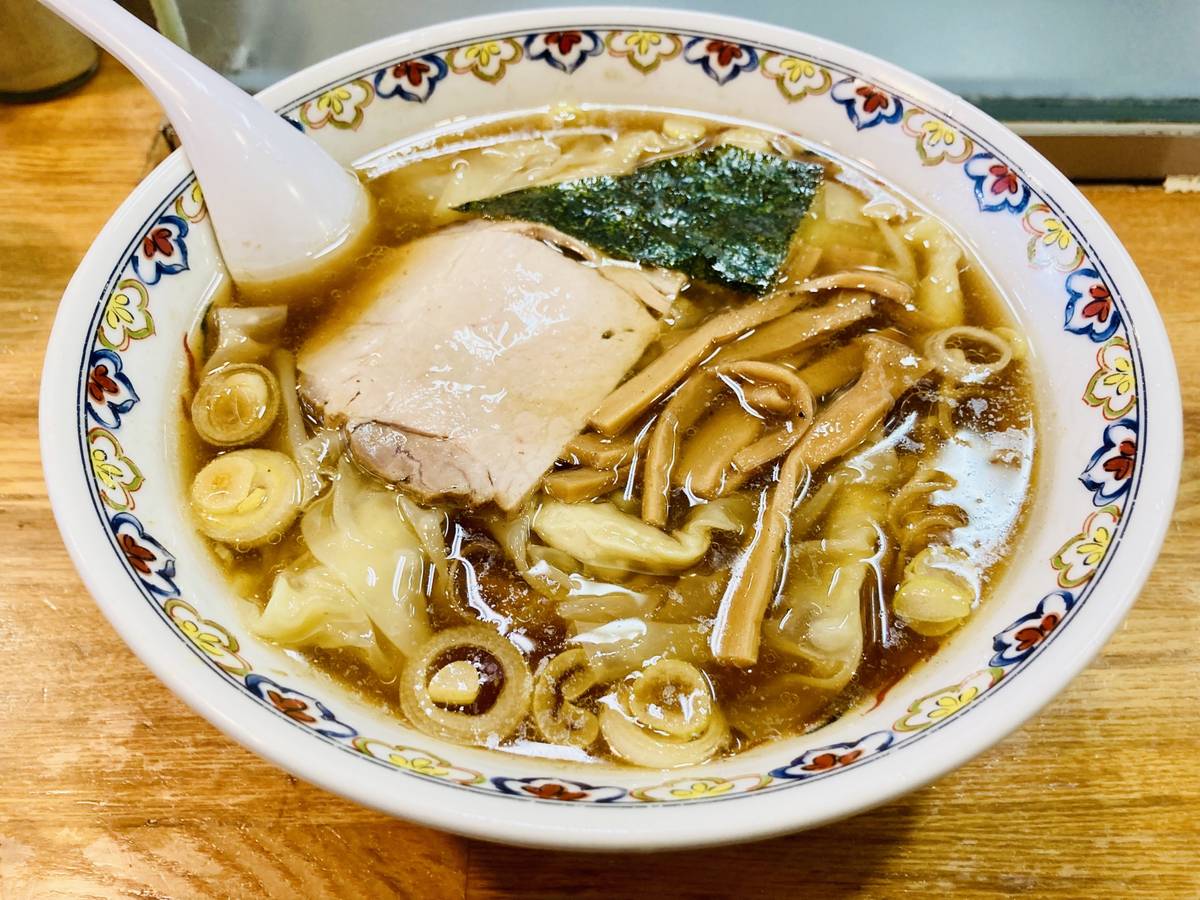
Ogikubo ramen was born in the postwar black markets. Because many shops were converted soba (buckwheat noodle) restaurants, fish-based broths using bonito flakes and dried sardines became the norm, giving the local style its distinctive character. The deep amber soy broth paired with thin noodles is considered one of the prototypes of Tokyo-style ramen.
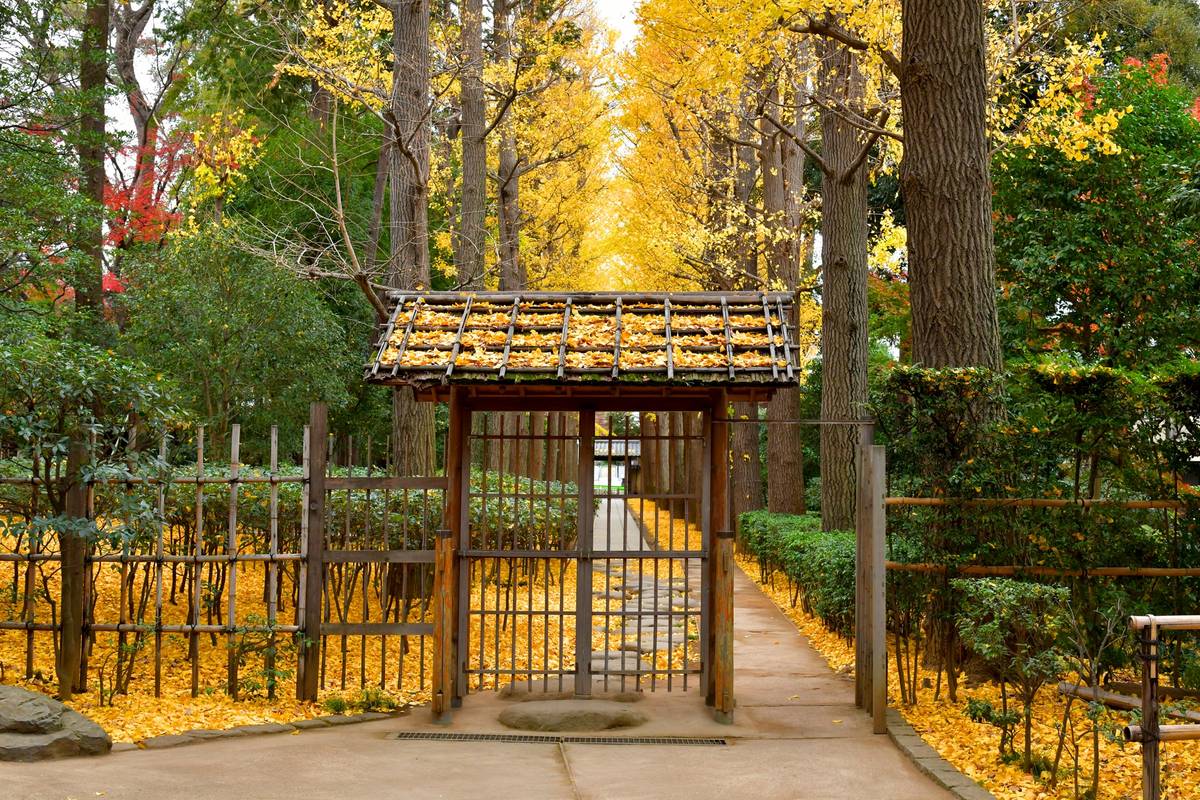
A ten-minute walk from Ogikubo Station, Ōtaguro Park was built on the former estate of music critic Ōtaguro Motoo. Beyond the ginkgo-lined entrance sits a 1933 Western-style cottage. The grounds hold zelkova and maple trees over 100 years old; in autumn, visitors flock for evening illuminations where maples reflect in the pond's still water.
Zenpukuji Park and Spring-Fed Ponds
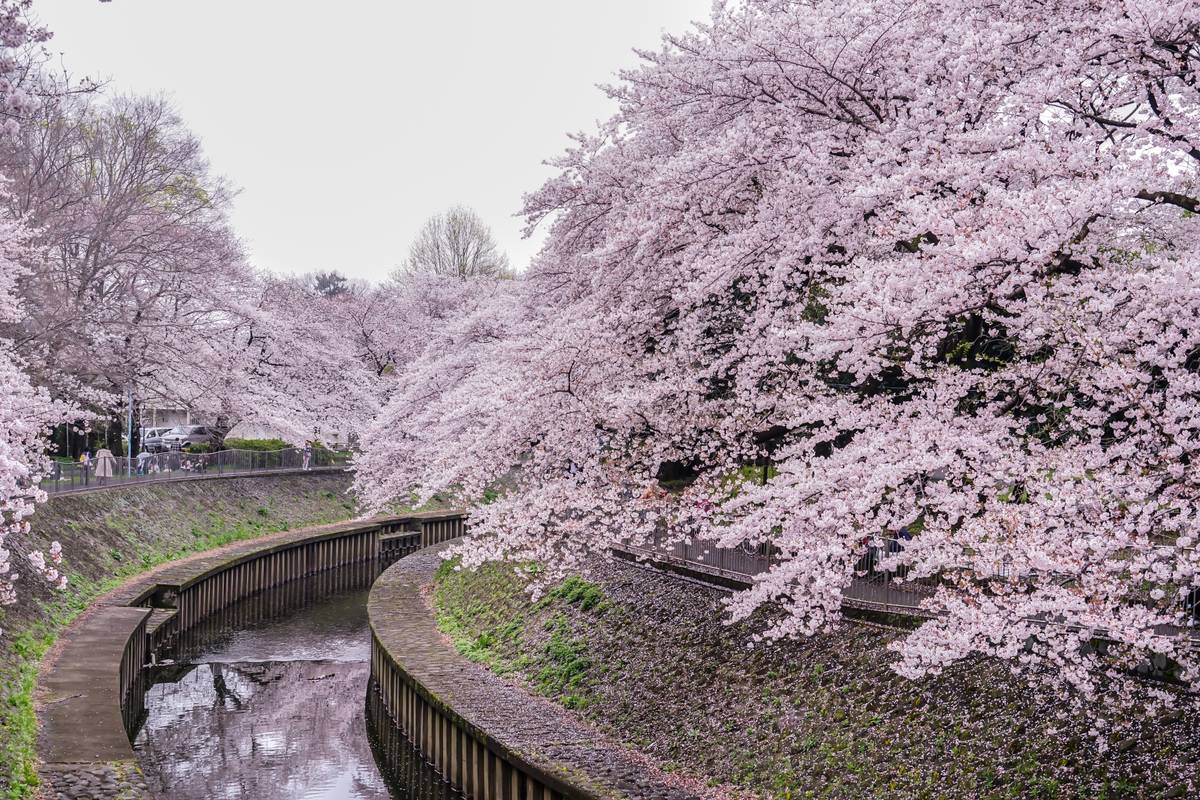
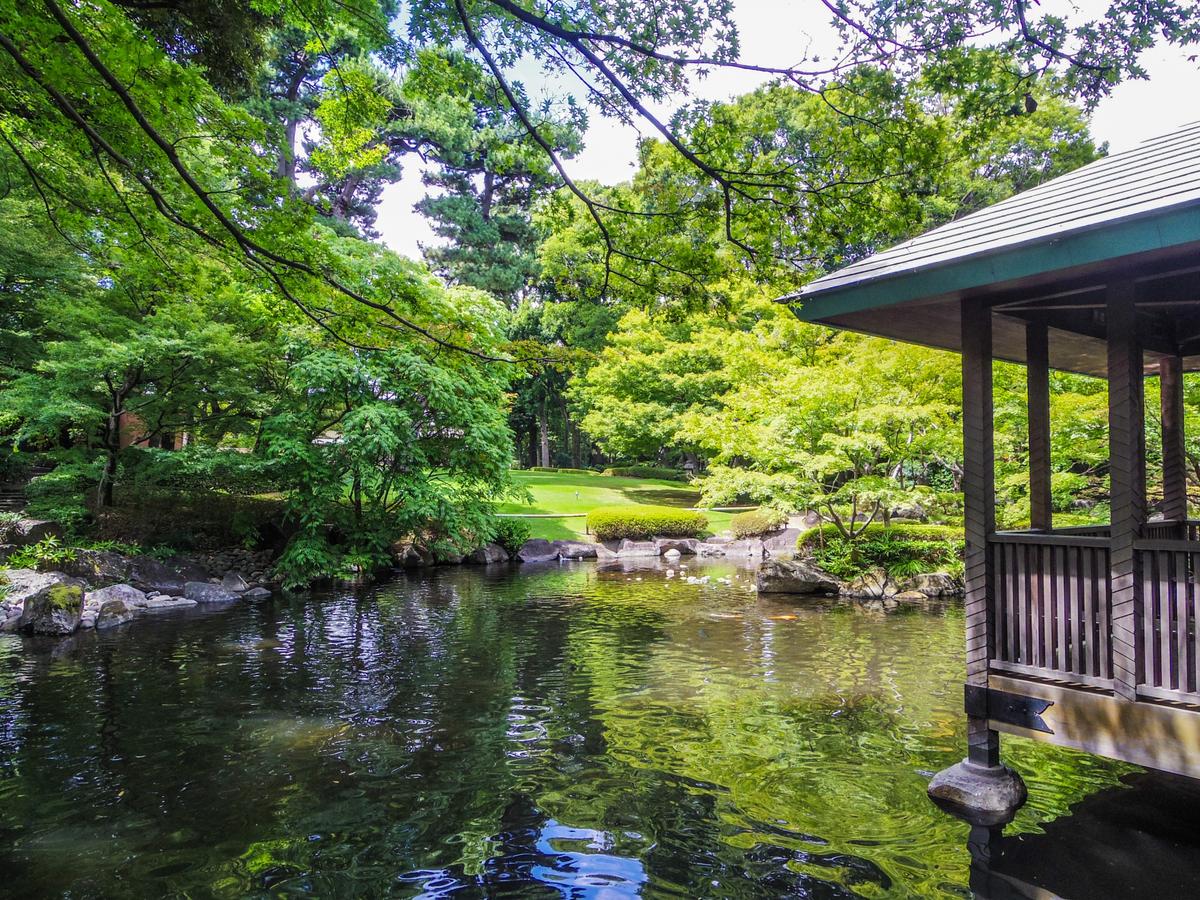
Zenpukuji Pond is one of three major spring-fed ponds on the Musashino Plateau, divided into upper and lower sections spanning 3.7 hectares. Kingfishers dart just above the water's surface, and roughly 50 bird species are recorded here annually. Binocular-carrying birdwatchers are a familiar sight. In spring, cherry blossoms overhanging the pond draw crowds of flower-viewing visitors.