Roppongi
六本木
Things to Do in and Around Roppongi
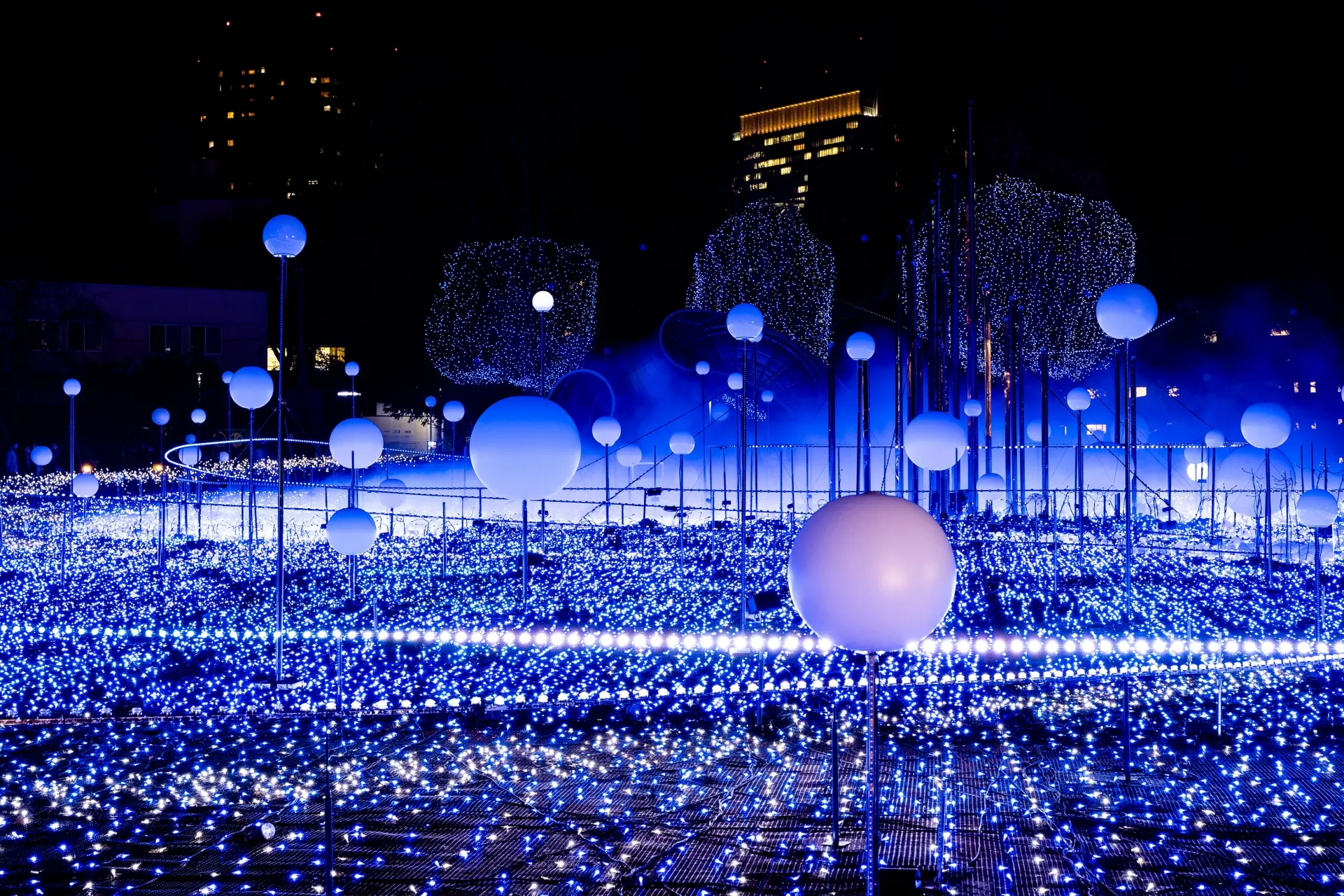
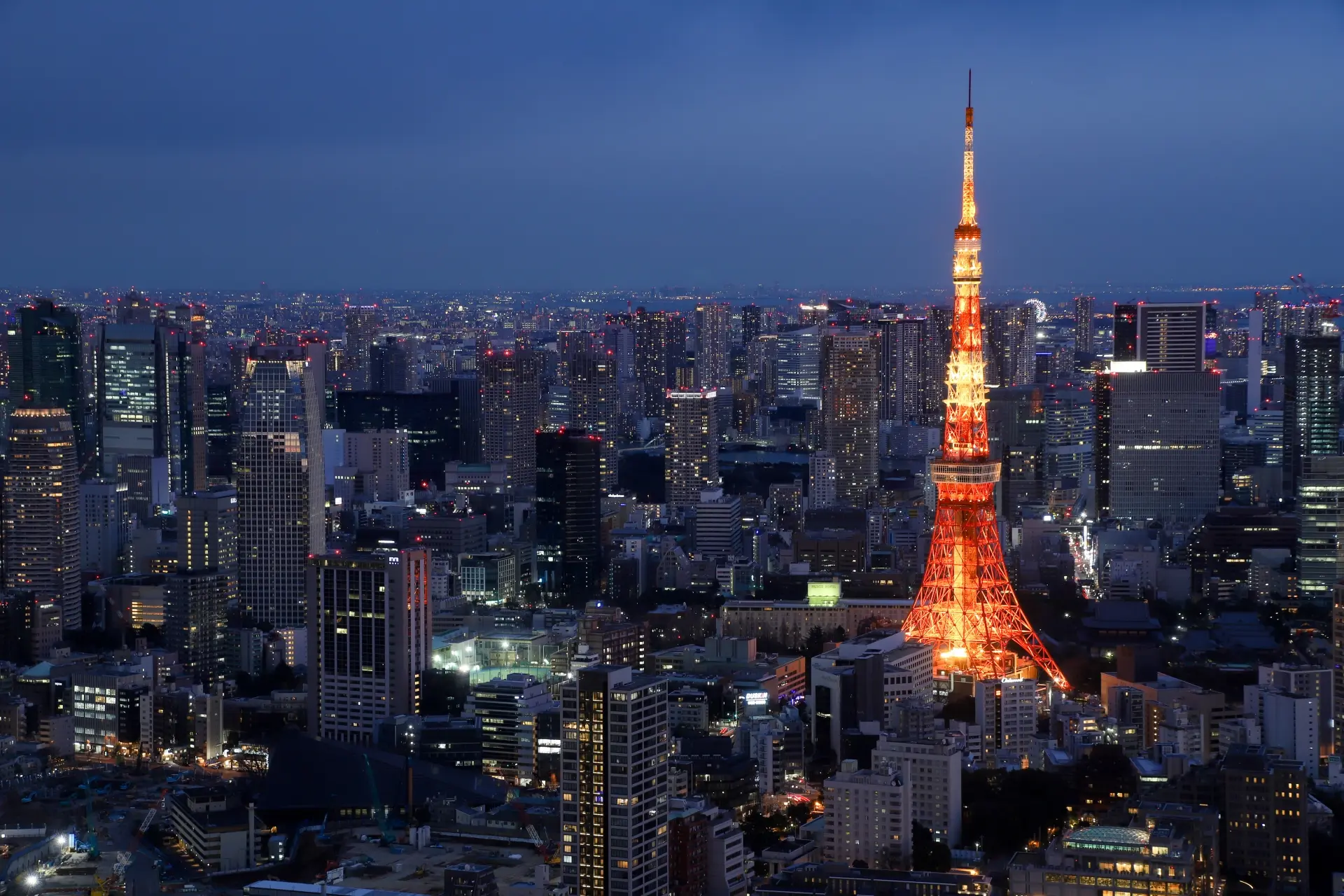
Roppongi is a district located in the heart of Tokyo City. It is a popular area among foreigners living in Japan, with luxury shopping malls, museums, and nightclubs. Complexes such as Roppongi Hills and Tokyo Midtown offer a one-stop experience for shopping, art appreciation, and gourmet dining. It is one of the bustling and representative districts of Tokyo, lively both day and night.
Where is Roppongi?
Roppongi is a bustling district located in Minato City, Tokyo. Situated in the heart of Tokyo, it is adjacent to upscale areas such as Minami-Aoyama, Akasaka, Azabu-Juban, and Nishi-Azabu. It features large-scale complexes like Roppongi Hills and Tokyo Midtown, and the National Art Center is within walking distance, making it known as an area where business and culture/art blend. It is also characterized by a vibrant international atmosphere with many foreign residents.


Getting Around
Three train lines are available to reach Roppongi: Tokyo Metro Hibiya Line, Toei Oedo Line, and Tokyo Metro Chiyoda Line. "Roppongi Station" is served by the Hibiya and Oedo Lines, while the Chiyoda Line's nearest station is "Nogizaka Station." Access from major areas in the city center is also convenient, with a train ride taking about 10 minutes from Shibuya and about 15 minutes from Shinjuku.
Major spots like Roppongi Hills and Tokyo Midtown are within walking distance from the station. Taxis are also plentiful, making them a recommended option for nighttime travel.
Loading map...
About Roppongi
Roppongi is an international district located in Minato City, Tokyo, where business, art, and entertainment blend seamlessly.
An International Cultural Hub
Roppongi is home to Roppongi Hills, Tokyo Midtown, and the National Art Center, making it a central hub for contemporary Japanese art and design. The "Roppongi Art Night" transforms the entire district into a one-night-only museum, attracting visitors from around the world.
Harmony of Urban and Nature
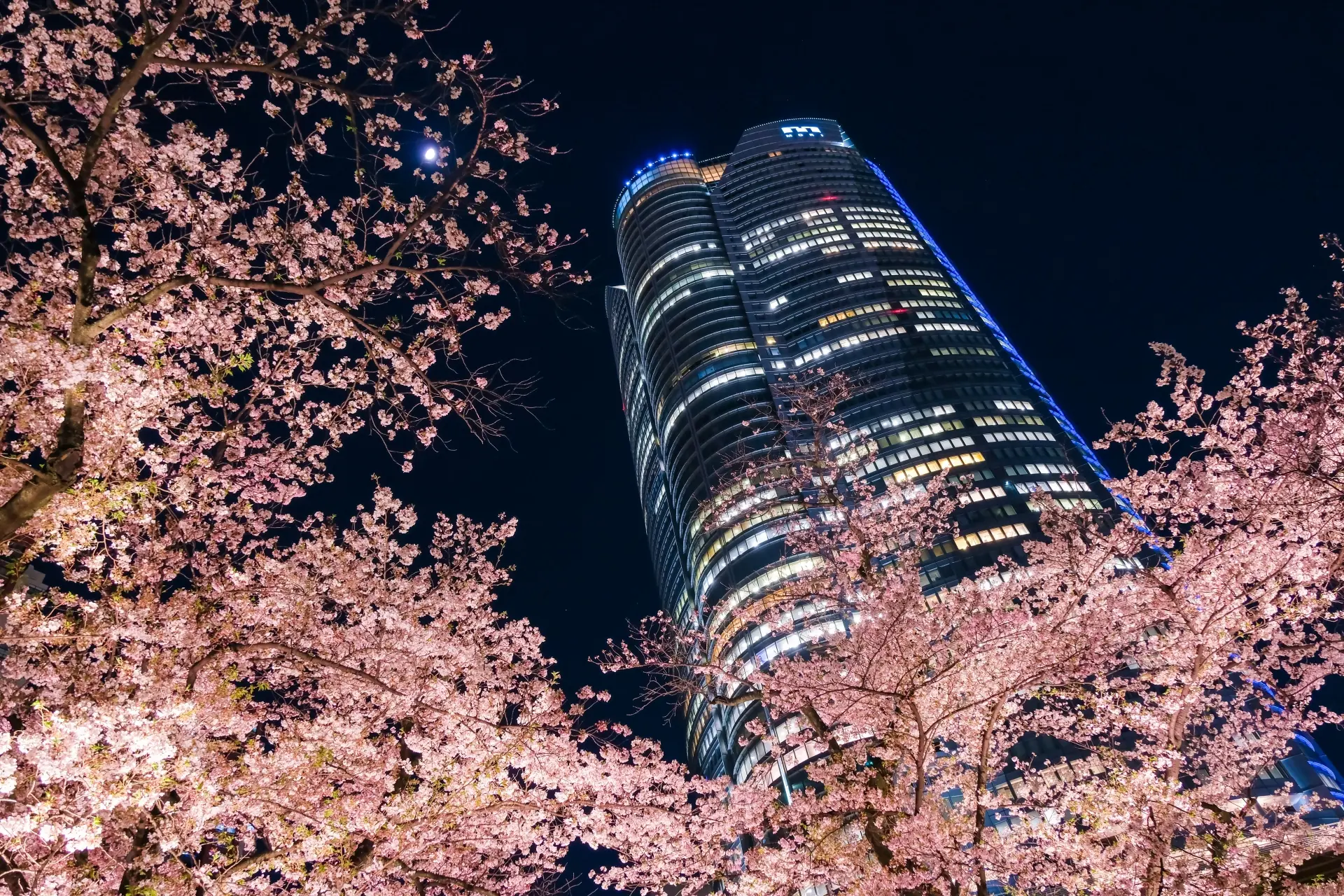
Amidst the urban skyline of skyscrapers, serene green spaces like Mohri Garden and Hinokicho Park thrive. Known for its cherry blossoms in spring, Roppongi offers a rare spot to experience the changing seasons in the heart of the city.
Cutting-edge Food Culture
Roppongi offers a diverse range of dining options, from Michelin-starred restaurants to casual eateries open late into the night. With many authentic international cuisine restaurants run by foreign chefs, it is a district where one can enjoy a particularly international food culture in Tokyo.
Origin of the Name 'Roppongi'
The name "Roppongi" is believed to originate from the presence of six large trees in the area. During the Edo period, it was a quiet area with samurai residences.
Note: Roppon = Six, Gi = Wood.
From U.S. Military Base to International City
After World War II, U.S. military facilities were established in the area, leading to an increase in shops catering to foreigners, transforming Roppongi into a vibrant international district. In the 1960s, it also became known for its nightlife with foreign bars and upscale clubs.
Transformation through Redevelopment
In the 2000s, the opening of large-scale complexes like Roppongi Hills (2003) and Tokyo Midtown (2007) revitalized the area as a center for business and culture. It now hosts many IT and media-related company offices.
Works by World-renowned Architects
Roppongi features works by prominent Japanese architects such as Tadao Ando (National Art Center), Kisho Kurokawa (Roppongi Hills), and Kengo Kuma (Tokyo Midtown). It is a popular spot for architectural tours.
The Term 'Roppongi Tribe'
In the 1980s, the term "Roppongi Tribe" became popular, symbolizing the youth culture of the time. It was noted for setting trends in fashion and lifestyle, flourishing as a nightlife spot for affluent young people. Although the term is no longer used, Roppongi continues to be at the forefront of trends and remains an iconic area of Tokyo, constantly evolving.
Roppongi
Discover stories and insights about Roppongi