Tottori
鳥取県
Start here
What to know about Tottori
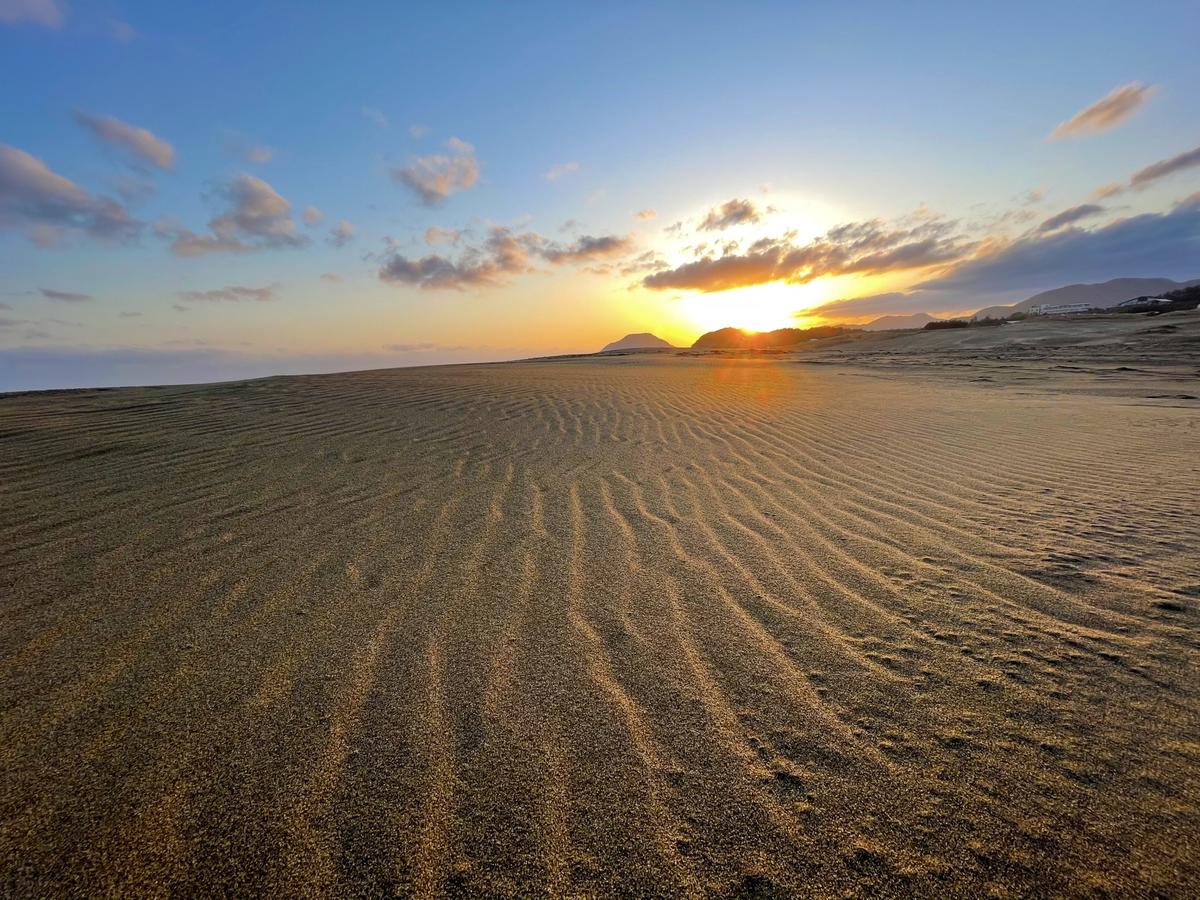
Tottori Prefecture is Japan's least populous prefecture, yet this very quality has preserved rich natural landscapes and a relaxed pace of life found nowhere else. From vast sand dunes along the Sea of Japan to the sacred peak of Daisen and hot springs steeped in legend, the prefecture offers scenery and experiences that feel far removed from the bustle of urban Japan.
Tottori Sand Dunes
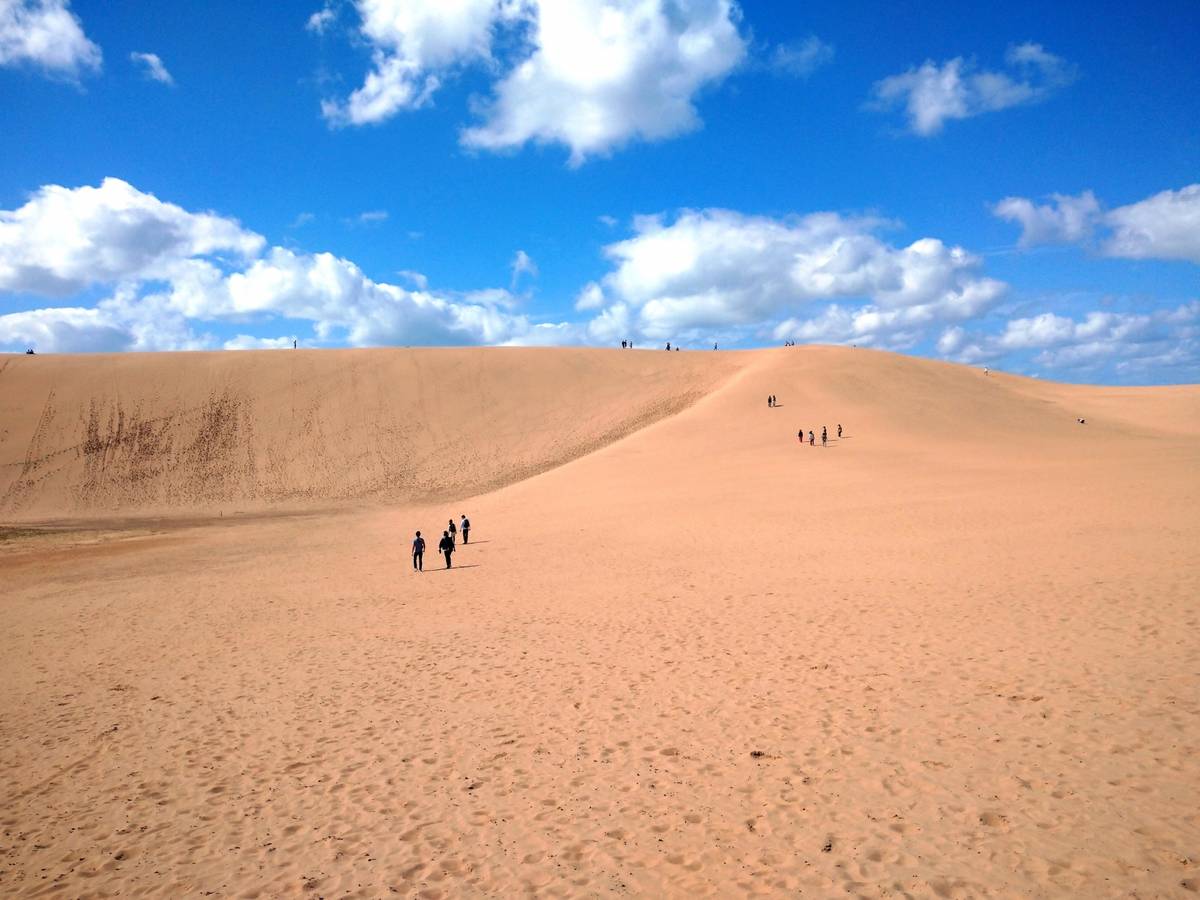
Stretching roughly 16 kilometers along the coast and up to 2 kilometers inland, the Tottori Sand Dunes are the largest coastal dune system in Japan. Wind-sculpted ridges called fūmon (wind ripples) shift their patterns daily, and the steep slope known as Uma no Se rises about 47 meters, offering panoramic views of the Sea of Japan from its summit. Activities range from camel rides and paragliding to fat-biking across the sand.
Daisen
At 1,729 meters, Mt. Daisen is the highest peak in the Chūgoku region and has been worshipped as a sacred mountain since ancient times. Its western profile, sometimes called Hōki Fuji for its resemblance to Mt. Fuji, is particularly striking. Beech forests blanket the mountainside, turning vivid shades of red and gold in autumn, while the higher elevations are covered in snow through winter and into early spring.
Misasa Hot Spring
With over 850 years of history, Misasa Onsen is one of the world's foremost radium hot springs. The open-air bath Kawara no Yu is set right beside the Misasa River, allowing bathers to soak while listening to the sound of flowing water. The area's retro townscape of narrow lanes and old wooden buildings invites leisurely strolls between baths.
Mizuki Shigeru Road
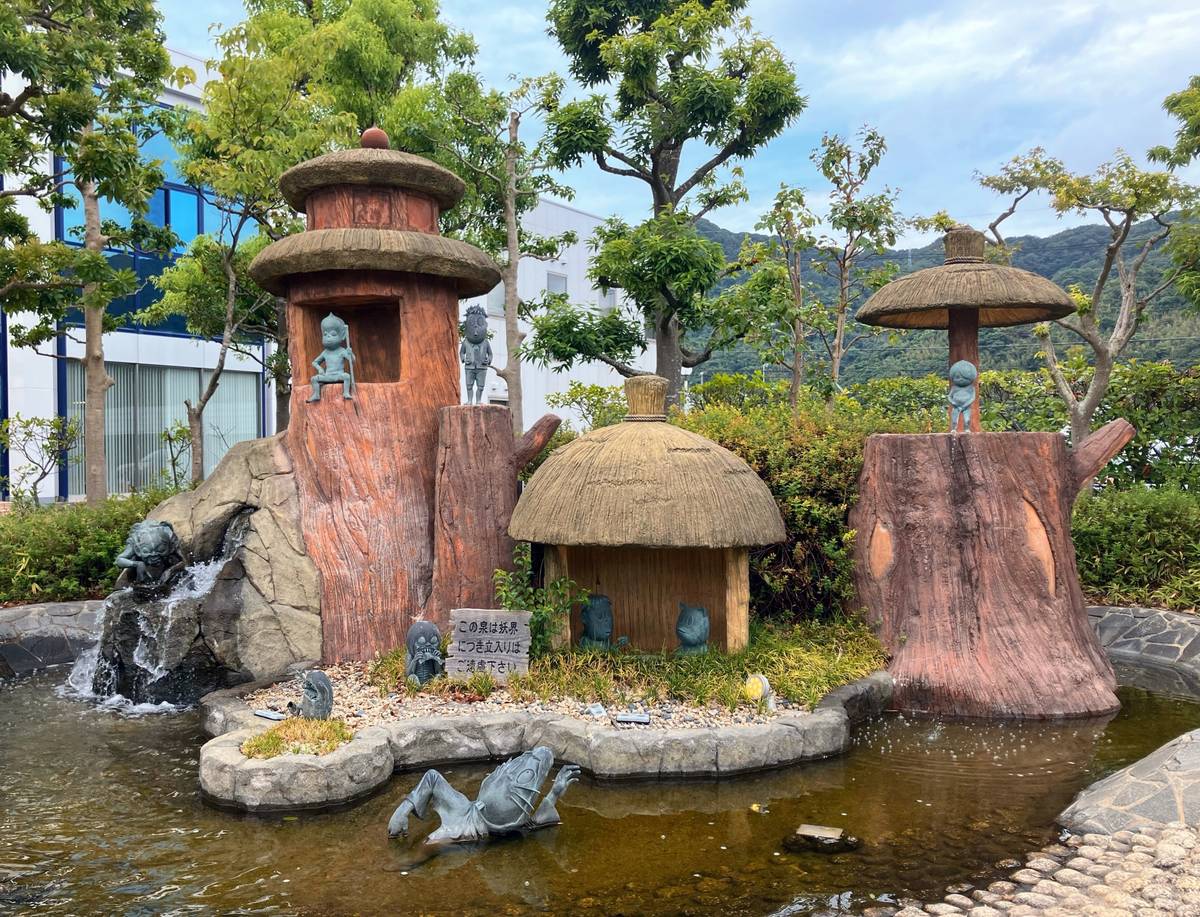
This shopping street in Sakaiminato, the birthplace of manga artist Mizuki Shigeru, is lined with over 170 bronze statues of yōkai, supernatural creatures from his beloved series GeGeGe no Kitarō. The entire street is an open-air museum of sorts, with yōkai-themed shops and cafés at every turn. At the Mizuki Shigeru Museum at the far end, visitors can explore original artwork and learn about the folklore that inspired his life's work.
Location
Where is Tottori?
Tottori Prefecture is located in the northeast of the Chūgoku region on the western side of Honshū. The prefectural capital is Tottori City. As of January 2024, it has a population of approximately 540,000, making it Japan's least populous prefecture.
The prefecture faces the Sea of Japan to the north, with a coastline stretching roughly 120 kilometers. The Tottori Sand Dunes, which exemplify this landscape, are among the region's most distinctive geographical features. The Chūgoku Mountains extend along the southern border, with Daisen and other peaks shaping the prefecture's southern terrain. Three major rivers water the plains and sustain the agricultural lands and settlements in their basins: the Sendai in the east, the Tenjin in the center, and the Hino in the west.
The climate reflects the characteristics of the Japan Sea side, with many overcast days in winter due to seasonal winds and considerable snowfall in the mountainous areas. The region around Daisen receives enough snow to support ski resort operations. Summer, by contrast, is relatively mild, with temperatures lower than those in Pacific-side cities, making it an appealing destination for escaping the heat.
Loading map...
Access
Getting to Tottori
Tottori Prefecture has two airports: Tottori Sand Dunes Conan Airport and Yonago Kitarō Airport. Tottori Sand Dunes Conan Airport is approximately 1 hour 15 minutes by flight from Tokyo's Haneda Airport, with a bus ride of about 20 minutes from the airport to Tottori City center. Yonago Kitarō Airport, which serves as the gateway to the prefecture's western region, is about 1 hour 20 minutes from Haneda, with a bus ride of roughly 25 minutes to Yonago Station. Both airports are compact in scale, making onward travel straightforward.
When traveling by train from Tokyo, the standard route is to take the Tōkaidō and Sanyō shinkansen to Himeji Station, then transfer to the Super Hakuto limited express bound for Tottori Station, a journey of approximately 5 hours 30 minutes in total. From Osaka, the Super Hakuto reaches Tottori Station in about 2 hours 30 minutes. Yonago Station in the prefecture's west is accessible from Okayama Station via the Yakumo limited express in around 2 hours 10 minutes.
Within the prefecture, the JR Sanin Main Line connects the major cities from east to west; the journey from Tottori Station to Yonago Station takes approximately 2 hours. While route buses serve major attractions, service can be infrequent in some areas, so checking schedules in advance is essential. The Tottori Sand Dunes are about 20 minutes by bus from Tottori Station, and buses depart for Daisen from Yonago Station. Taxis are also a practical option and can be hailed at stations. Sightseeing taxi packages offer an efficient way to explore multiple destinations.
Winter snowfall in the mountainous regions can occasionally disrupt train schedules. If visiting between December and February, check the latest service updates regularly.
Local pride
Specialty Products
Facing the Sea of Japan, Tottori Prefecture is renowned nationwide for crab, a prized winter delicacy, along with abundant high-quality seafood. Coastal fishing ports land a diverse array of fish and shellfish with each season, making fisheries one of the prefecture's vital industries.
In the inland areas, fruit cultivation thrives on gentle hills and sandy volcanic soils, establishing Tottori as home to some of Japan's most renowned fruit-growing regions. The Chūgoku Mountains support livestock farming as well, with beef cattle raised through distinctive breeding programs continuing a long tradition. The mild climate supports the production of high-quality agricultural and livestock products, and despite its small size, the prefecture boasts a rich culinary heritage.
Food
Crafts & Others
Through the ages
History of Tottori
In ancient times, the region of present-day Tottori was divided into two provinces: Inaba in the east and Hōki in the west. Inaba preserves the myth of the White Rabbit of Inaba, a tale that appears in the Kojiki, Japan's oldest historical record. This story, in which a white rabbit is rescued by Ōkuninushi, is set at Hakuto Beach, which remains a landmark in Tottori City today. Since ancient times, the region lay at a crucial point along the Sanindō, a major thoroughfare, and historical records suggest that Inshū Washi production was already underway during the Nara period.
During the Sengoku period, Tottori Castle was built on Kyūshōzan as the seat of the Yamana clan, who ruled Inaba Province. In 1581, the siege conducted by Hashiba Hideyoshi, remembered as the "Tottori Starvation," stands as one of the most brutal episodes in Sengoku history. When the Edo period began, both Inaba and Hōki came under the rule of the Ikeda clan, becoming Tottori Domain. As a castle town of 320,000 koku, Tottori flourished, with the domain encouraging industries like washi paper and cotton weaving that would form the backbone of the regional economy.
Following the Meiji Restoration's abolition of domains in 1871, Tottori Domain became Tottori Prefecture, though it was temporarily merged with Shimane Prefecture. After vigorous local campaigns for separation, the prefecture regained independence in 1881. In subsequent eras, the mountain worship culture centered on Daisen and hot spring traditions emerged as important tourism resources, while the sand dunes gained recognition as a nationally celebrated landscape. Though small in population, Tottori carries a distinctive history spanning ancient mythology, Sengoku-period warfare, and modern administrative movements, all etched deeply into its identity.
Continue exploring
Discover other areas and hidden gems across Chugoku Region.