Hiroshima
広島県
Start here
What to know about Hiroshima
Hiroshima Prefecture is among Japan's rare prefectures to hold two UNESCO World Heritage sites. The Itsukushima Shrine, known for its torii gate rising from the sea, and the Atomic Bomb Dome, a symbol of peace. Where the weight of history meets the serene beauty of the Seto Inland Sea, new discoveries await no matter how many times you visit.
Itsukushima Shrine and Miyajima
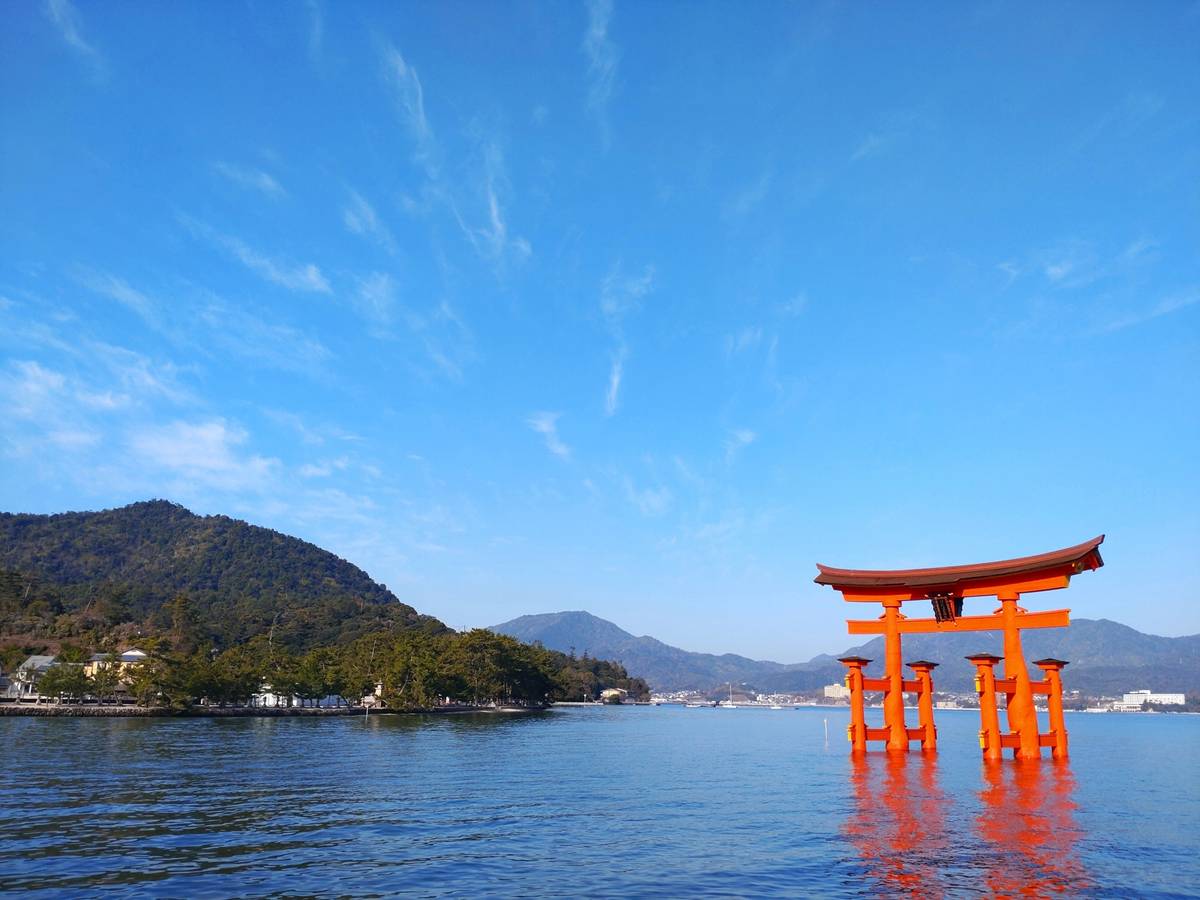
Miyajima is an island of roughly thirty kilometers in circumference floating in Hiroshima Bay, long revered as sacred ground. The Itsukushima Shrine stands on the northern shore over the water, with a founding tradition dating to 593, and received UNESCO World Heritage recognition in 1996. At high tide, the shrine buildings appear to float upon the sea, and the vermillion torii gate rising from the water represents one of Japan's most iconic landscapes. At low tide, visitors can walk right up to the base of the gate, encountering an entirely different scene depending on the time of their visit.
Behind the shrine rises Mount Misen, a 535-meter peak with an observation platform at its summit offering expansive views across the Seto Inland Sea and its islands. A popular route involves taking the ropeway partway up, then walking a scenic thirty-minute trail to the summit. The Momiji-dani (Maple Valley) area displays brilliant autumn colors, making it one of the region's renowned spots for fall foliage.
The Atomic Bomb Dome and Peace Memorial Park
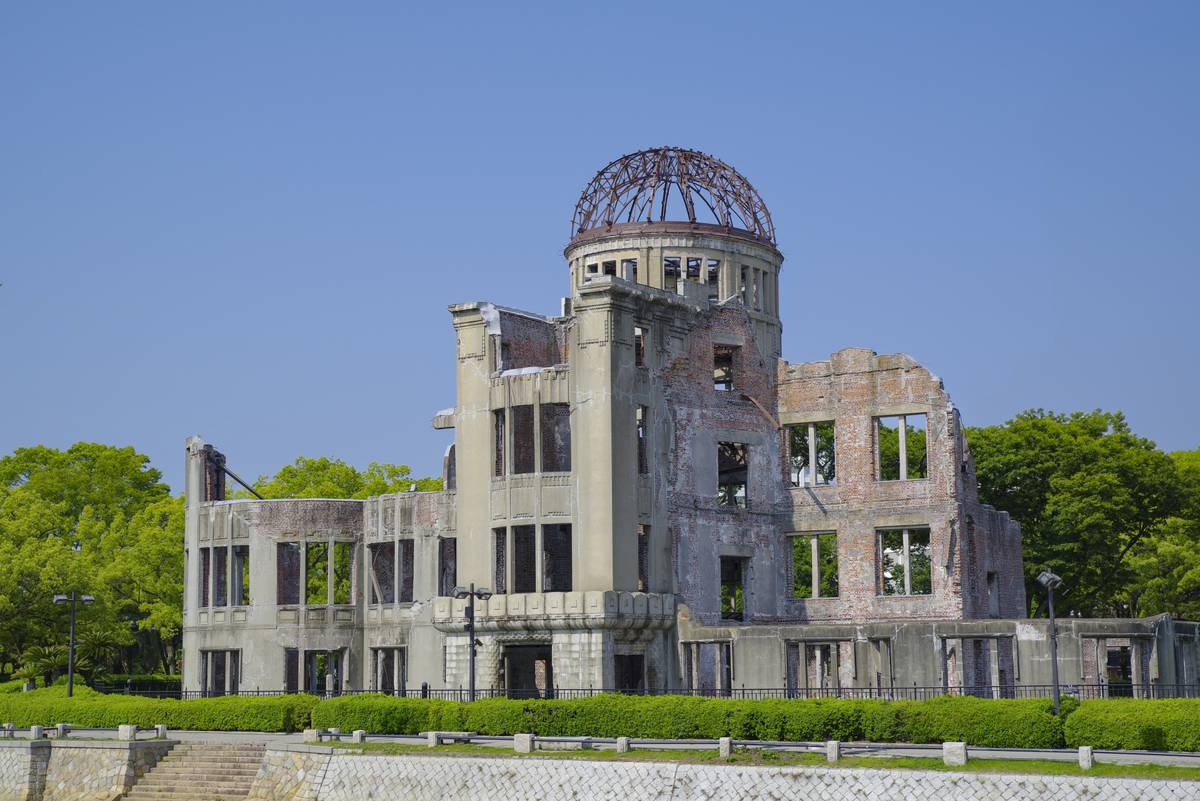
The Atomic Bomb Dome, located in central Hiroshima, stands as virtually the only structure to retain its original form after the atomic bombing of August 6, 1945. Designated a UNESCO World Heritage site in 1996, it remains a powerful witness to nuclear devastation, drawing visitors from around the world.
The adjacent Peace Memorial Park contains the Hiroshima Peace Memorial Museum, where exhibits and artifacts document the realities of the atomic bombing. A comprehensive renovation in 2019 reimagined the exhibition, shifting its focus to individual survivor stories and testimony. Throughout the park stand multiple monuments and memorials, including the Cenotaph for the Atomic Bomb Victims and the Children's Peace Monument. Each August 6, the Peace Memorial Ceremony draws participants from across Japan and beyond.
Onomichi and the Shimanami Kaidō
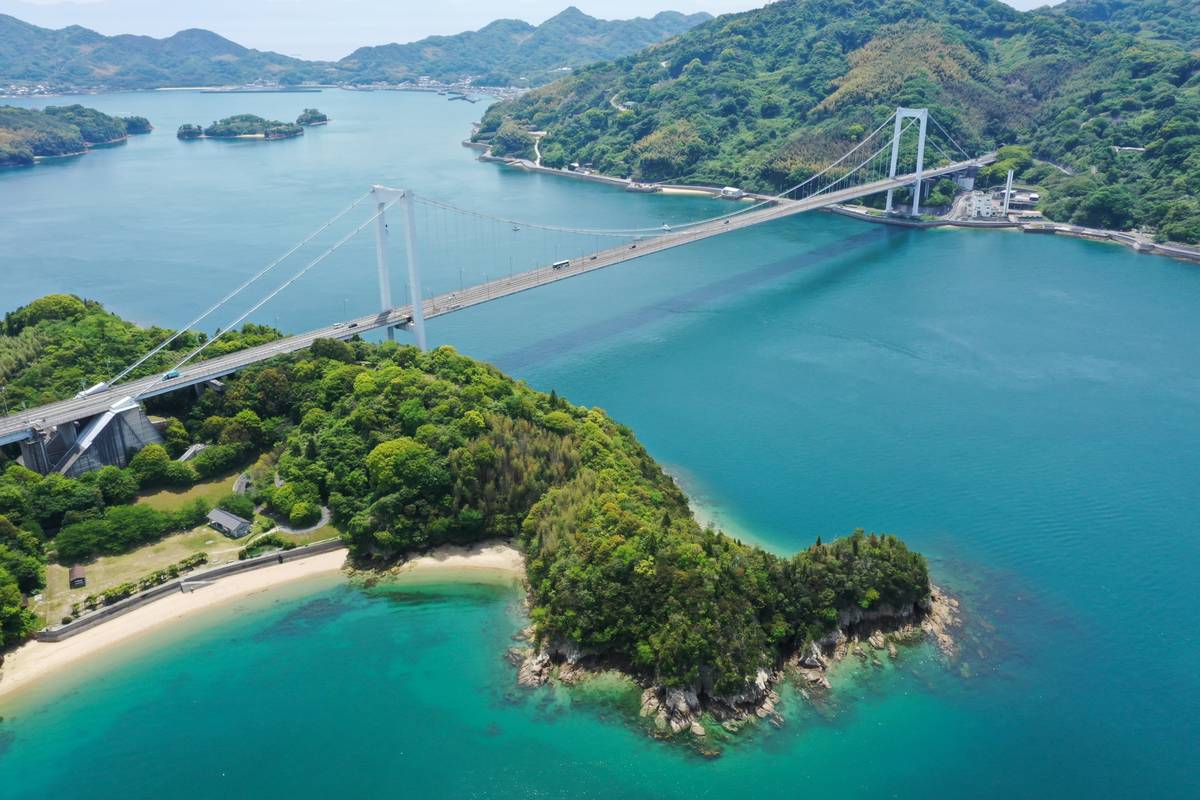
Onomichi is a hillside town nestled between mountains and sea, where winding streets and rows of historic temples have served as settings for countless films and anime. The ropeway ascends Mount Senkō-ji in just three minutes, with the summit observation platform revealing Mukaishima across the Onomichi Channel and the broader archipelago of the Seto Inland Sea. The Path of Literature (Bungaku no Komichi), descending from Senkō-ji, guides visitors past stone monuments inscribed with poetry and verse from literary figures connected to Onomichi.
The Shimanami Kaidō stretches approximately sixty kilometers from Onomichi to Imabari, crossing six islands via seven bridges. This route has earned worldwide renown as a cycling destination, with dedicated bicycle lanes making the ride accessible even to beginners. Along the way, citrus orchards blanket the islands, and quiet fishing villages offer glimpses into a slower pace of life.
Saijō Sake Brewery District
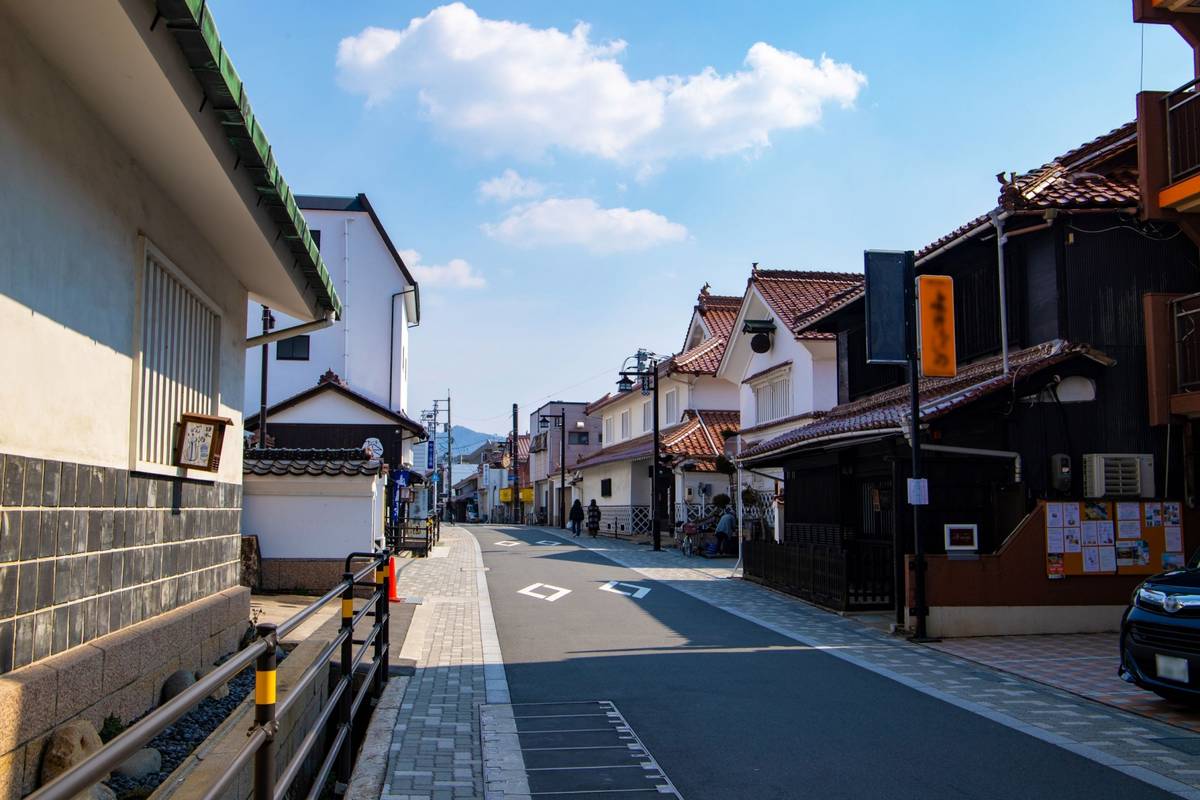
Saijō in Higashi-Hiroshima sits about forty minutes by train from JR Hiroshima Station and ranks among Japan's premier sake-producing regions. Seven breweries cluster within walking distance of JR Saijō Station, and the brewery district features whitewashed walls, namako tile, and red-brick chimneys that create a charming landscape reflecting the area's brewing heritage.
Most breweries welcome visitors for tastings and cellar tours, with brewery opening festivals held from winter through spring during the active brewing season. The autumn sake festival, held each October, draws roughly 1,000 sake varieties from across Japan and attracts more than 200,000 visitors over two days. After exploring the brewery district, trying sweets made with sake lees and sampling local dishes make for a perfect way to round out the visit.
Location
Where is Hiroshima?
Hiroshima Prefecture lies near the center of the Chūgoku region, with the Seto Inland Sea forming its southern boundary. The prefectural capital is Hiroshima City, the largest urban center in the Chūgoku and Shikoku regions. As of October 2024, the estimated population stands at approximately 2.72 million, making it the 12th largest prefecture in Japan.
The northern reaches are defined by the Chūgoku Mountains, where winter snowfall blankets the mountainous terrain. In contrast, the southern coast along the Seto Inland Sea enjoys a mild climate with low precipitation. Summer temperatures rise throughout the prefecture, though the coastal areas benefit from sea breezes that keep conditions relatively comfortable. Roughly 140 islands of varying sizes dot the waters, creating a landscape where both mountain and sea scenery can be enjoyed within the same region.
Loading map...
Access
Getting to Hiroshima
Hiroshima Airport serves as the main gateway by air, with direct flights arriving from Haneda Airport in Tokyo in approximately one hour and twenty minutes. Flights also operate directly from New Chitose Airport in Sapporo and Naha Airport in Okinawa. Limousine buses connect the airport to central Hiroshima City in about fifty minutes.
The Sanyō Shinkansen offers convenient rail access. The Nozomi train reaches Hiroshima Station from Tokyo Station in roughly three hours and fifty minutes, while trains from Shin-Osaka Station arrive in about one hour and twenty minutes. Service from Fukuoka takes approximately one hour, making it easy to combine a Hiroshima visit with travels through Kyushu.
Within Hiroshima City, an extensive streetcar network connects major sightseeing destinations and commercial areas. To reach Miyajima, take the JR Sanyō Main Line to Miyajima-guchi Station, then board a ferry for a ten-minute crossing. The JR Sanyō Main Line also serves Onomichi and Fukuyama. For exploring the Shimanami Kaidō islands, route buses, express buses, and taxi services offer flexible travel options.
Though Hiroshima Prefecture enjoys mild weather year-round, the mountainous northern regions experience winter snowfall. Those planning a northern prefecture visit during winter should prepare appropriate cold-weather gear.
Local pride
Specialty Products
Hiroshima Prefecture takes advantage of the calm waters of the Seto Inland Sea for aquaculture, with shellfish farming ranking among the nation's highest in production volume. The warm climate and abundant sunshine make the land ideal for growing citrus fruits and grapes. The cooler mountainous regions in the north support livestock farming and rice cultivation, while the area is blessed with high-quality water sources. The prefecture's strength lies in its ability to produce both the bounty of the Seto Inland Sea and the mountain harvest of the Chūgoku range. Traditional craftsmanship also plays an important role, with brush making and handicraft production continuing a long heritage.
Food
Crafts & Others
Through the ages
History of Hiroshima
In ancient times, the region that would become Hiroshima Prefecture was divided between two provinces: Aki Province, which corresponded to the present western prefecture, and Bingo Province, which lay to the east. During the late Heian period, Taira no Kiyomori developed a deep devotion to Itsukushima Shrine and commissioned the transformation of its sacred buildings into the magnificent sea shrine seen today. This period also saw the development of sea routes through the Seto Inland Sea, establishing Hiroshima as a vital hub for maritime commerce.
During the Sengoku period, Mōri Motonari brought the majority of the Chūgoku region under his control, with Hiroshima becoming the center of his domain. Motonari's grandson, Mōri Terumoto, built Hiroshima Castle on the Ōta River delta in 1589, an event traditionally cited as the origin of the place name Hiroshima. Following the Battle of Sekigahara, first Fukushima Masanori and then the Asano clan governed Hiroshima as daimyō, developing it into a prosperous castle town. Meanwhile, the Mizuno clan established themselves in Fukuyama in Bingo Province, creating the Fukuyama Domain.
After the Meiji Restoration and its administrative reforms, Hiroshima Prefecture took its present shape in 1876. During the Sino-Japanese War, the imperial military headquarters relocated to Hiroshima, and a temporary imperial parliament convened there, making the city a center of modern Japan's military and political affairs. Then, on August 6, 1945, the world's first atomic bomb fell on Hiroshima City. From devastating destruction, Hiroshima rebuilt itself as a city dedicated to peace. Today, the Atomic Bomb Dome and Peace Memorial Park stand as enduring symbols calling for a world free of nuclear weapons.
Continue exploring
Discover other areas and hidden gems across Chugoku Region.