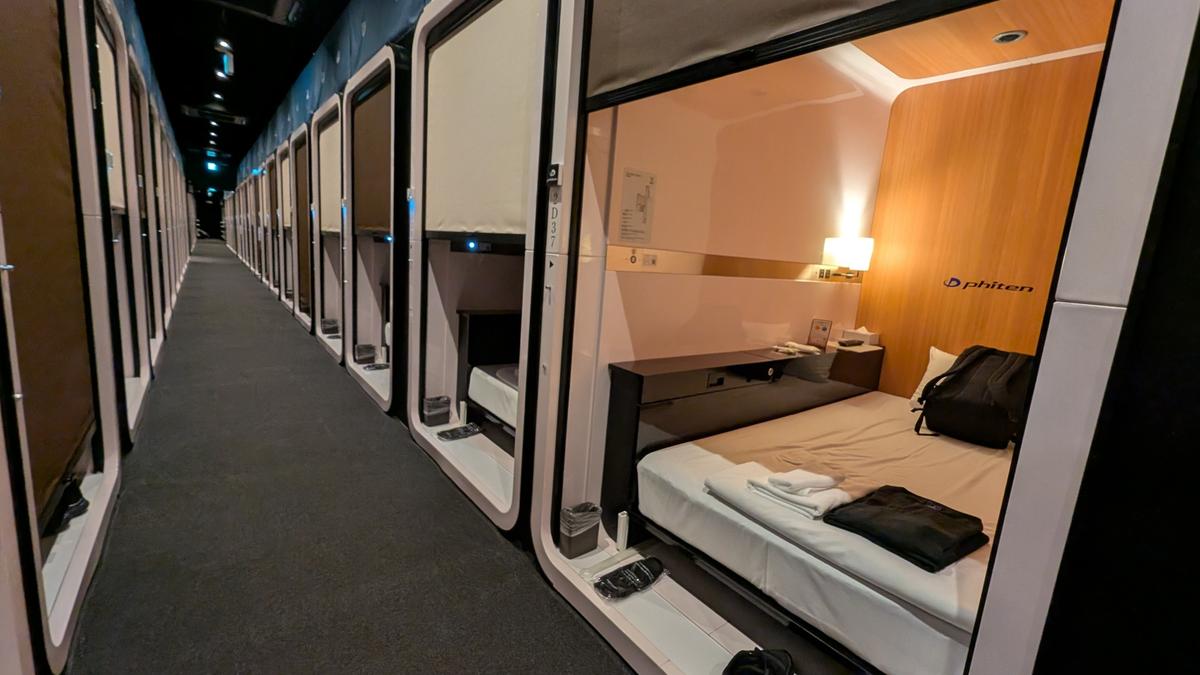
Capsule Hotel in Japan
A capsule hotel is a form of lodging invented in Japan, where you sleep in a small private pod. It started in Osaka in 1979, and it's built differently from a shared dormitory. This page covers the facilities, how to use one, rough prices, and who they suit best.
A capsule hotel is a place where you sleep in a small pod barely big enough for one adult to lie down. The bath and toilet are shared, and the rates are among the cheapest of any lodging in Japan.
People often confuse them with shared dormitories, but a capsule hotel is an enclosed space all to yourself.
It's essentially a room just for sleeping, which makes it a great fit for solo travel centered on getting out and sightseeing.
What Is a Capsule Hotel?
At its core, a capsule hotel is lodging lined with rows of single sleeping pods. A single capsule measures roughly 1.2 meters wide, 2 meters long, and 1 meter high. That's just enough space for an adult to lie down and sit up a little.
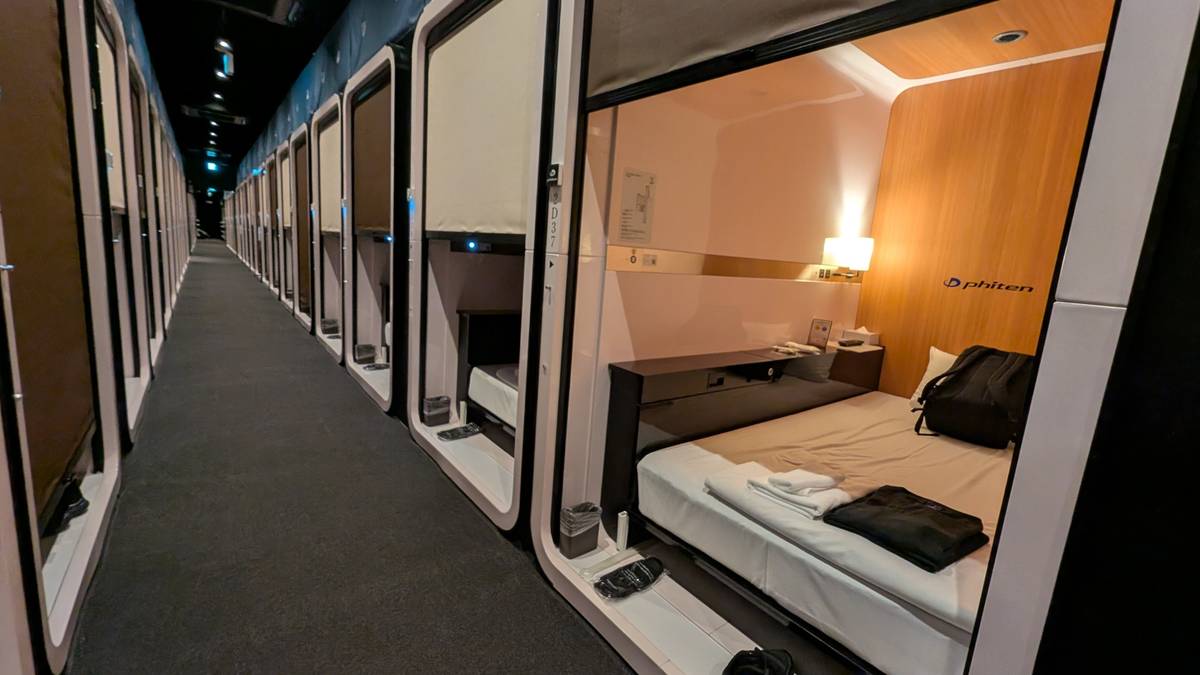
Inside, lighting, a power outlet, Wi-Fi, and an alarm come standard, and some pods add a small TV. Higher-end cabin types offer more spacious rooms.
Capsule Hotel Costs
Prices in urban areas run from about 2,000 yen to 6,000 yen a night, generally.
That's the going rate as of 2026. Spots in busy entertainment districts, stylish design-focused ones, and cabin types cost a little more.
Keep Valuables in a Locked Locker
One important thing to note: Capsules cannot be locked, and the reason comes down to Japanese law. A capsule hotel falls under the "simple lodging" (kan'i shukusho) category, where the capsule itself is treated as furniture rather than a building. Because of that, you keep valuables in a locked locker rented at the front desk.
Separate Areas for Men and Women
Men and women have their own sections. Some places separate them by floor, some by building, and some are entirely male-only or female-only.
As the pros and cons below will note, they're not well suited to traveling as a couple or a family.
Personal Space a Dormitory Can't Offer
People often assume it's the same as a shared dormitory, but the two differ in structure. A dormitory lines up beds with strangers in one room. A capsule walls off one person's space on all sides, and closing the curtain or door turns it into a private space. It's tight, but no one around can see you.
That said, there's no lock and it isn't fully sealed off, so loud noises or talking count as bad manners.
The Advantages of a Capsule Hotel
The appeal of a capsule hotel comes down to low prices, good locations, and a sense of privacy that dormitories lack.
Low Cost
For the same location, they cost less than a business hotel. A few thousand yen a night puts you right in the heart of an entertainment district.
Near Stations and Entertainment Districts
Many sit near stations or inside entertainment districts, so you can walk there even after the last train. On nights that run late from sightseeing or drinking, you can get back without a taxi.
More Privacy Than a Dormitory
Privacy is far better than in a shared dormitory. Close the curtain or door, and you can change clothes or nap without worrying about who's watching.
Large Baths and Saunas Are Common
Many come with a large bath and a sauna where you can warm your tired body in the hot water. They actually have their roots in sauna facilities.
A Fallback When You Miss the Last Train
Miss the last train, and you can check in on the spot and sleep. This is exactly the use that made them popular, so they're used to late-night walk-ins.
The Drawbacks of a Capsule Hotel
The weak points of a capsule hotel boil down to the tight space and the inconveniences that come with sharing.
Cramped and Confining
You can't stand up inside a capsule. Sitting up, your head just about reaches the ceiling, so anyone who dislikes cramped spaces will feel boxed in. If tight spaces are truly hard for you, the wider rooms called cabin types are an option. First Cabin, for instance, is modeled on the first and business class of an airplane, with high ceilings and room to set your bags. They're found across the country, including one beside Nijō Castle in Kyoto. The operating company went bankrupt once in 2020 but rebuilt under new management.
Noise and Snoring Carry Easily
Capsules don't lock, and the walls are on the thin side. So your neighbor's snoring or other noises can reach you. How well sound is blocked varies from place to place.
Where to Put Large Luggage
A big suitcase often won't fit in the locker. When that happens, the front desk or a luggage room will hold it for you.
No Mixed-Gender Rooms
Because men and women are split by floor or building, a couple or family can't stay in the same capsule. A plan for two people in one room simply isn't offered. For a trip where you want to be together, a business hotel or ryokan is a better match.
You Often Can't Stay in the Room During the Day
Unless you're staying multiple nights, many places have you vacate the capsule and clear out your things during the day. That's inconvenient if you want to rest in your room at midday. The standard is to check your bags, head out into town, and come back at night.
Shared Bath and Toilet
The bath and toilet are shared with other guests. At busy times, you may have to wait your turn. They're not for anyone who wants a private bathroom in their room.
Who Are Capsule Hotels For?
A capsule hotel is a great fit for solo travelers watching their budget.
They work well for a single-night stay, a refuge after missing the last train, or a taste of something distinctly Japanese. They're also a good pick if you love a big communal bath or a sauna.
If you travel light and are fine with just a place to sleep at night, it's a choice that delivers a lot for the price.
On the flip side, it's just as clear who they don't suit. They're not for couples or families who want to share a room, or for anyone with large luggage. The same goes for people who dislike tight spaces or who want to hole up quietly for several nights.
For them, a business hotel or ryokan will be more comfortable.
What to Know Before Your First Stay
With the above in mind, here are the things worth knowing when you stay at a capsule hotel.
Most places have you take off your shoes at the entrance. You put them in a shoe locker, and at many places you hand that key to the front desk.
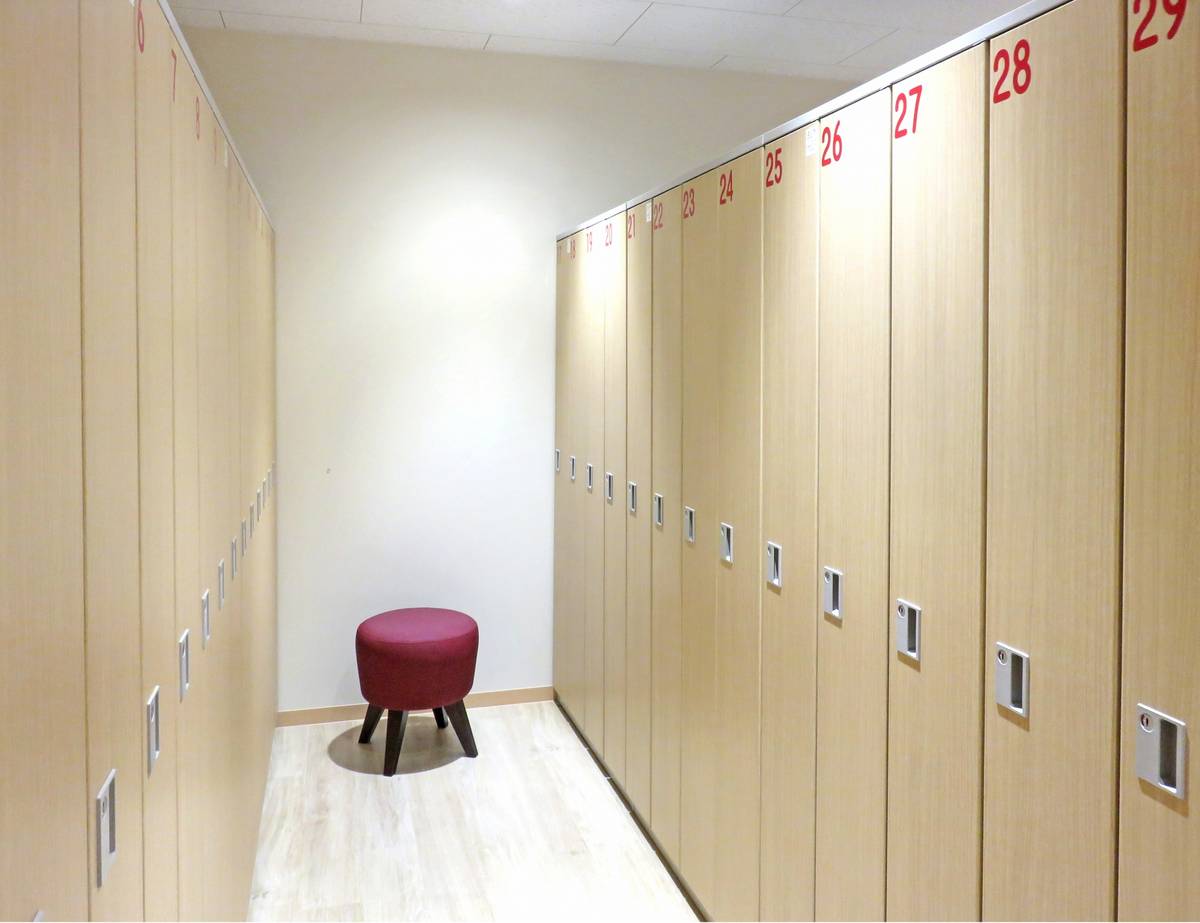
Keep valuables in a locked locker, not in the capsule. Since the capsule can't be locked, don't leave your wallet or passport inside it.
Stay quiet inside the capsule. The rule is to keep the curtain or door closed and to take calls or chat in the lounge. Eating, drinking, and smoking inside the capsule are generally not allowed.
Many have only a shared shower room, but when there's a large bath, Japanese bathing customs apply. Rules like washing your body before getting into the water and keeping your towel out of the bath are worth checking beforehand in our guide to onsen and public bath etiquette.
Finding a Capsule Hotel
In urban areas, finding a capsule hotel isn't especially hard. Start by checking whether there's one where you want to stay.
The Origins of the Capsule Hotel: A Form of Lodging Born in Japan
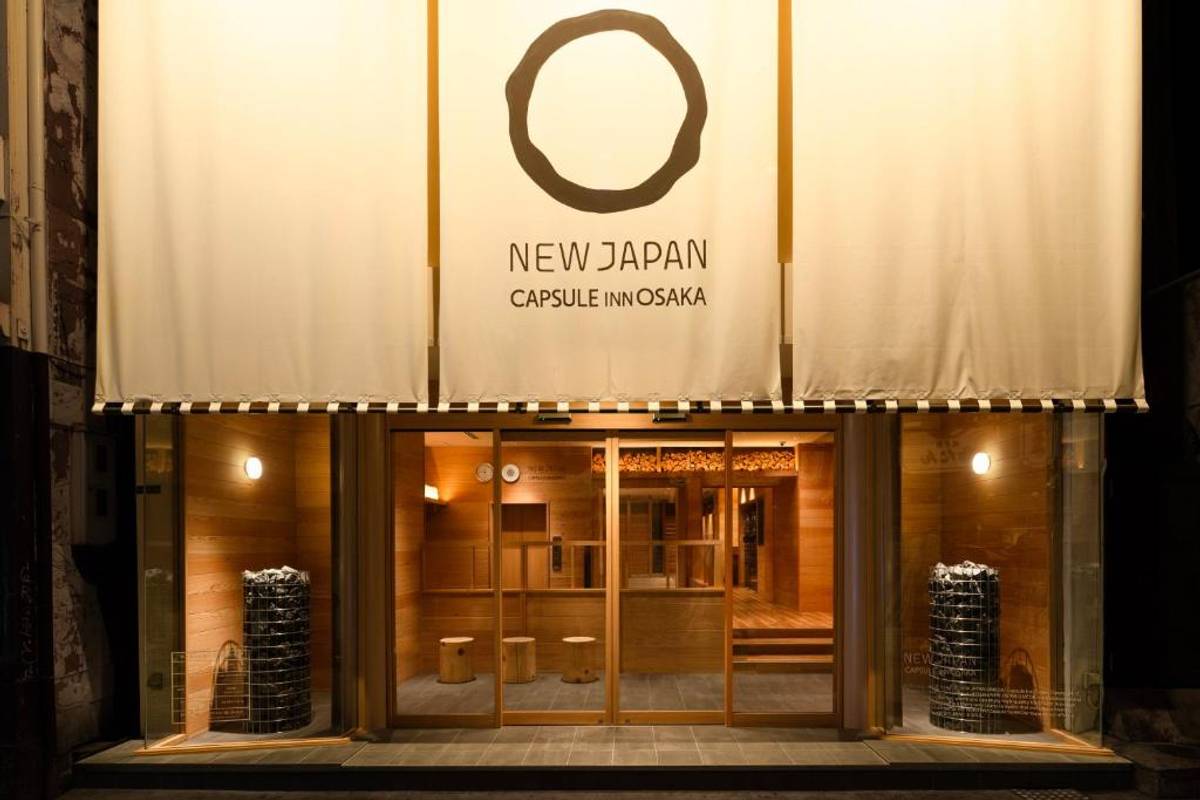
The world's first capsule hotel was Capsule Inn Osaka, which opened in February 1979. Located in Umeda, Osaka, it started at a scale of more than 400 rooms.
It was designed by the architect Kishō Kurokawa, based on the capsule-architecture ideas he presented at the 1970 Osaka Expo. The concept was of units that could be swapped out as society changed, and the hotel was built atop a sauna facility.
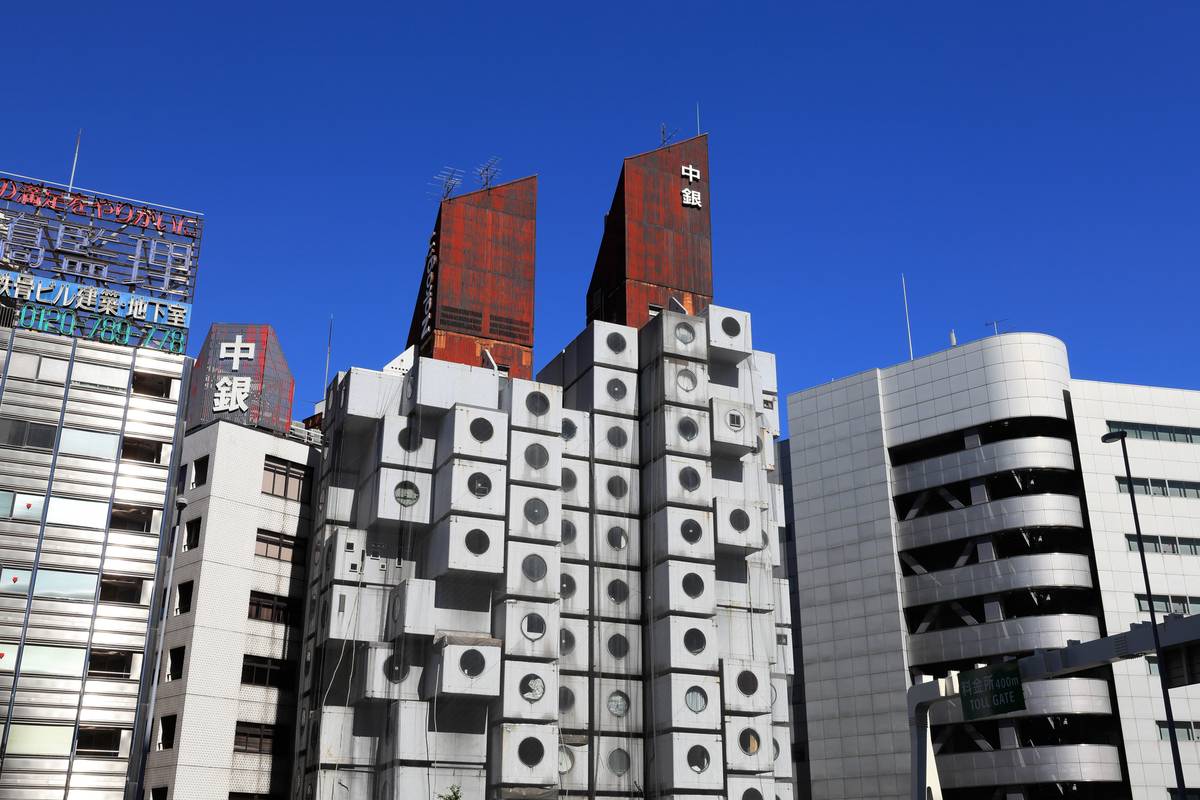
Nakagin Capsule Tower
Another of Kurokawa's works is the Nakagin Capsule Tower. Built in Ginza, Tokyo in 1972 as a residential and office building, it is not the same as a capsule hotel. It was demolished in 2022.
After Capsule Inn Osaka opened, the capsule hotel settled into a role as a place for business people who had missed the last train and for those away on work trips. For a long time, its low price was the biggest selling point.
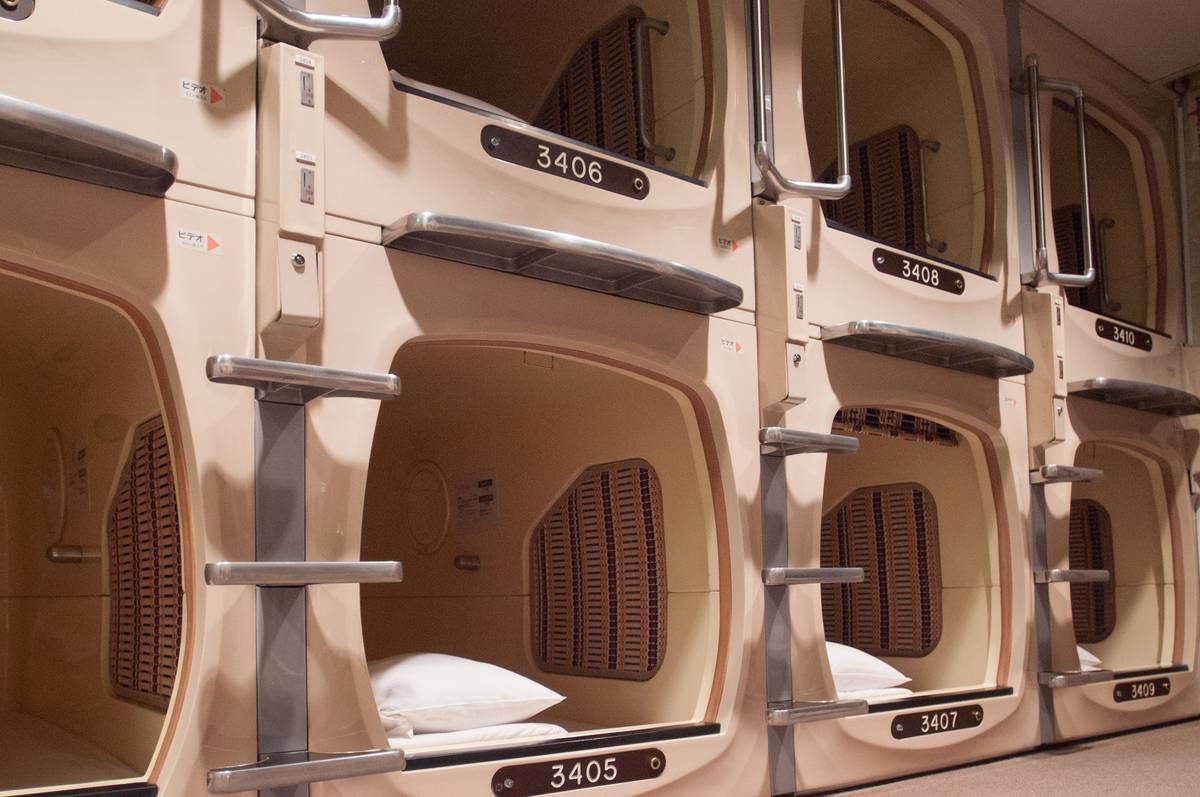
Capsule Inn Osaka
Capsule Inn Osaka is still open today in Umeda. It's a mens-only establishment, and in 2025 it was renovated to add new deluxe capsules.
You can still stay at the world's first capsule hotel in Osaka today.
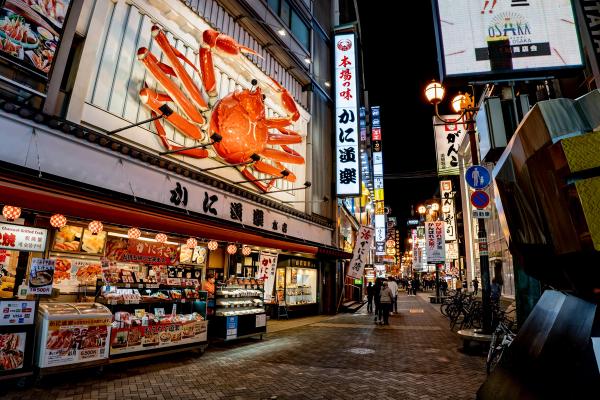
Osaka
Loading map...
The capsule hotel format that Capsule Inn Osaka pioneered has gradually shifted shape and spread, and today, ladies-only establishments and design-driven ones are increasingly common.
It has become a category of hotel chosen not only by Japanese office workers but by travelers from abroad as well.