Osaka
大阪府
Start here
What to know about Osaka
The City of Comedy and Its Sacred Place
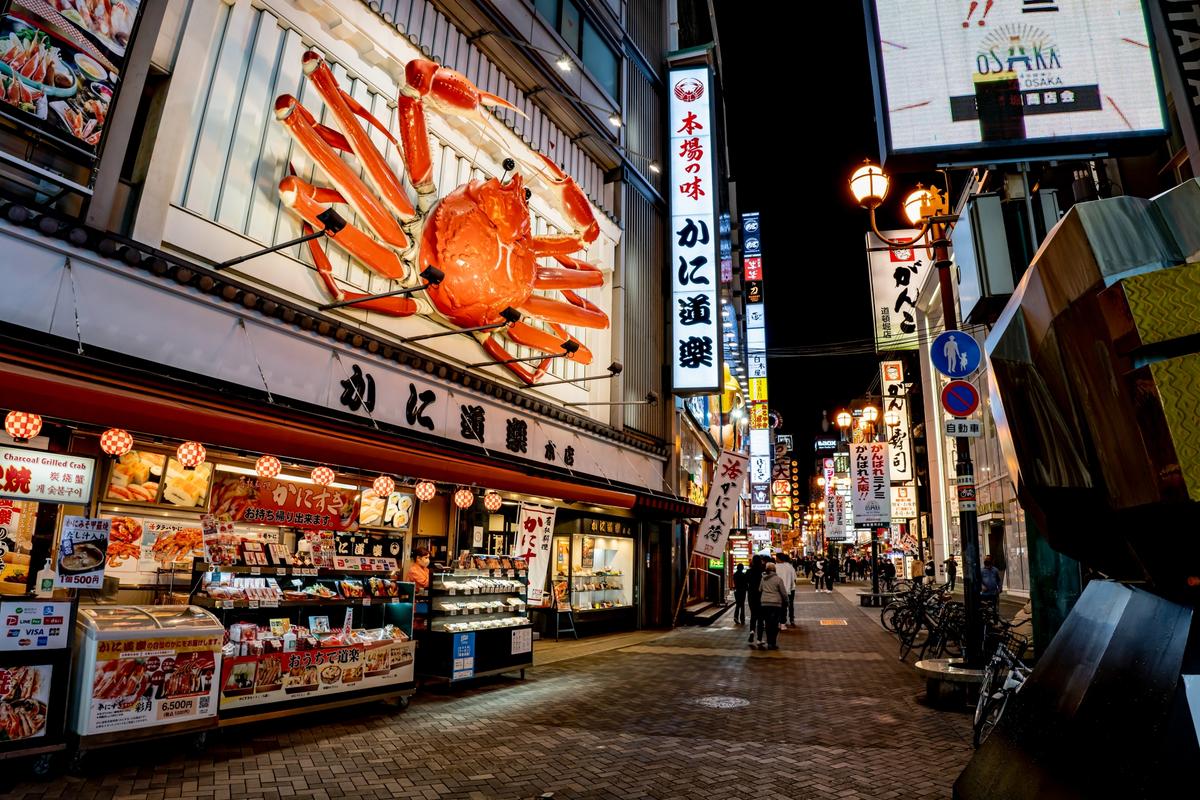
Osaka Prefecture is known throughout Japan as “the city of comedy.”
Behind this reputation lies a deeply rooted comedy culture not only among professional comedians but also among ordinary people. As you walk through the city, you will find humor woven into everyday conversations, and many people naturally develop a good sense of comedy.
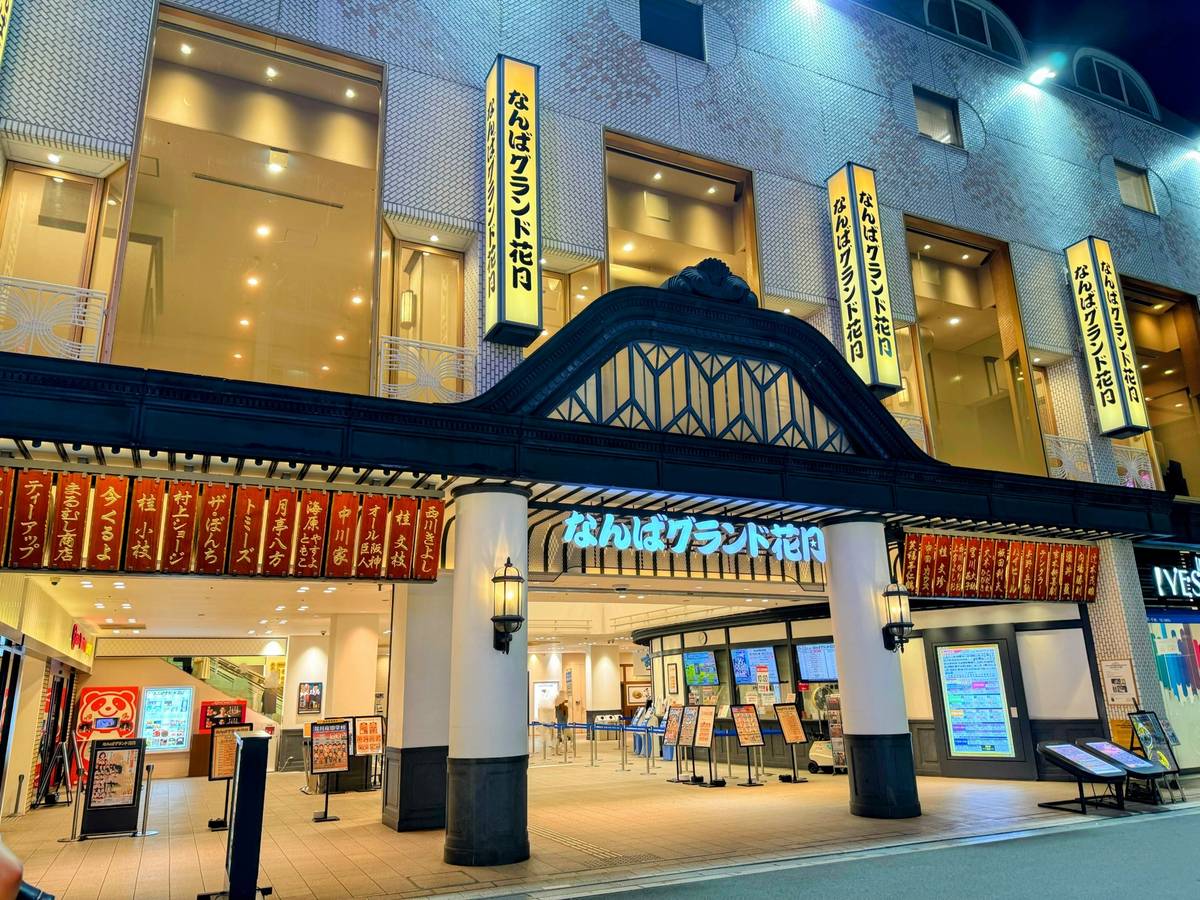
Namba Grand Kagetsu / Photo AC
Osaka is also home to Namba Grand Kagetsu, regarded as a sacred place for comedy, where various performances such as manzai (comic duos), rakugo (comic storytelling), and Yoshimoto Shinkigeki (a style of comic theater) are held every day.
These performances are very popular among tourists from overseas as well and continue to captivate many fans.
The City of Kuidaore (Eating Until You Drop)
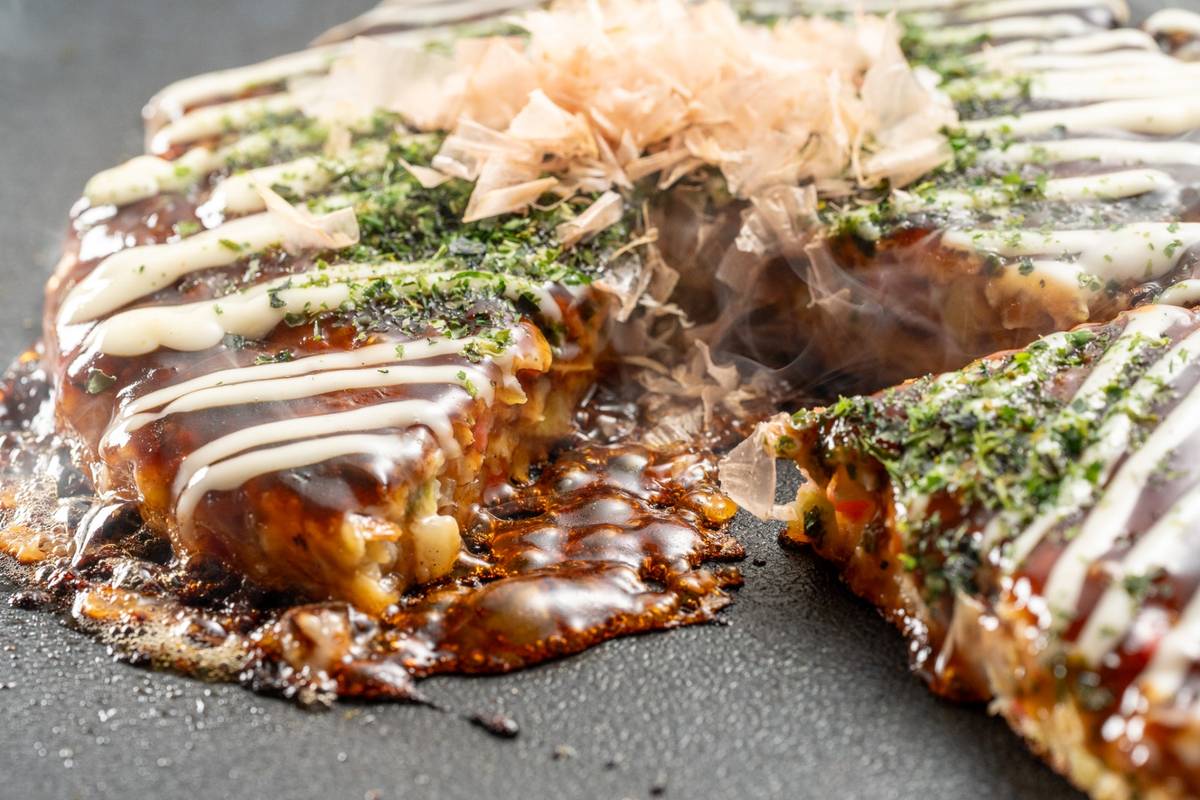
Okonomiyaki / Photo AC
Osaka Prefecture is widely known as “the city of kuidaore”, offering an abundance of delicious gourmet food. The word “kuidaore” carries the nuance of being so absorbed in eating and drinking that you end up spending too much money and even losing your fortune.
Osaka has long been blessed with both seafood and mountain produce, and thanks to this environment, its food culture has developed to be exceptionally rich compared with other regions. Furthermore, during the Edo period, Osaka was called “the nation’s kitchen,” and high-quality ingredients from all over Japan were gathered there. As a result, the city of Osaka at that time bustled with delicious food.
This food culture has been passed down to the present day, and even now Osaka is loved as a city where you can enjoy a wide variety of attractive dishes.
Universal Studios Japan, Also Very Popular with Overseas Tourists
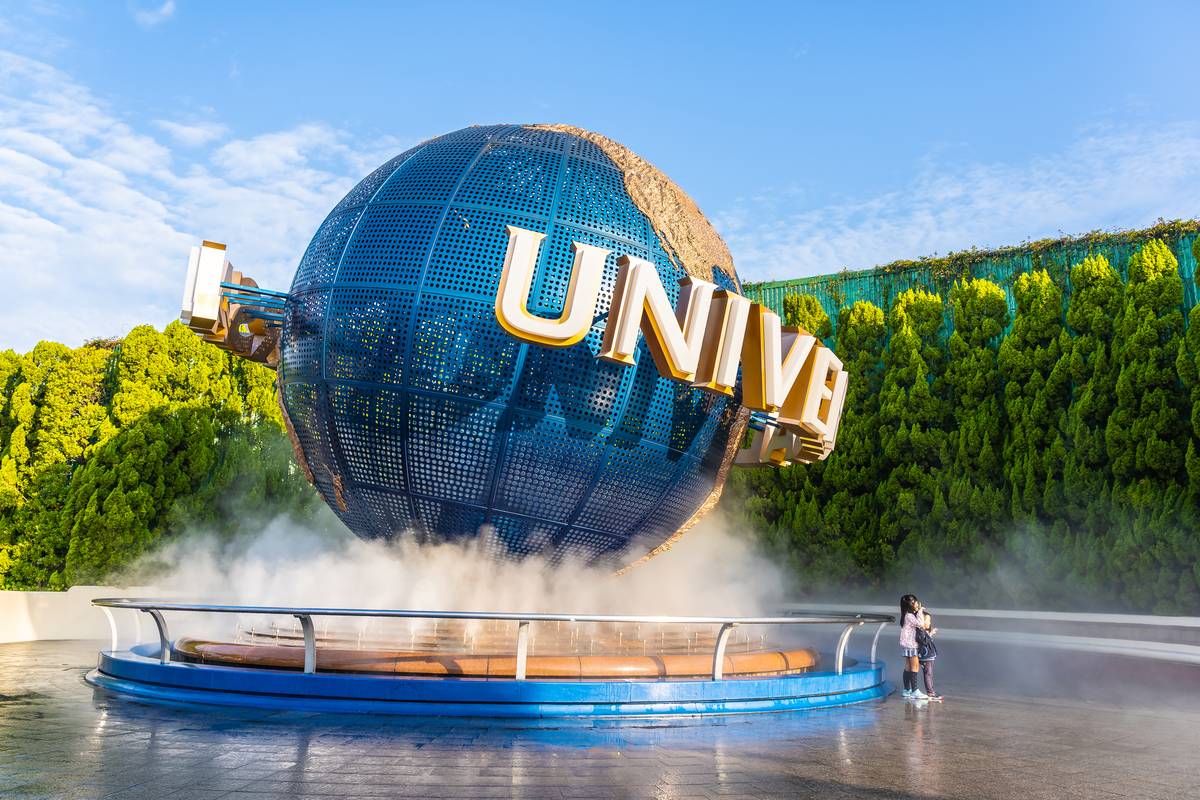
Universal Studios Japan / Photo AC
Osaka Prefecture is home to Universal Studios Japan (USJ), a theme park that enjoys great popularity among overseas tourists.
At Universal Studios Japan, you can experience attractions based on Hollywood movies such as “Jaws” and “Jurassic Park,” and stroll through areas that recreate cityscapes like Hollywood Boulevard and 1930s New York. In recent years, the park has also focused on content beyond Hollywood films, including the Wizarding World of Harry Potter, Minion Park, and Super Nintendo World, evolving into a theme park that can be enjoyed by people of all ages.
There are also limited-time collaboration attractions with anime works, as well as exclusive merchandise and food items, making it an unmissable spot for anime fans as well.
Where to go
Places to visit in Osaka
Curated spots and experiences across Osaka.
Shopping
1 place
Zoom in
Areas in Osaka
Neighborhoods and districts to explore


Location
Where is Osaka?
Osaka Prefecture is one of the regions of the Kinki (Kansai) area, located on the western side of the Japanese archipelago.
In the past, it was the smallest prefecture in Japan in terms of area, but in 1988 it traded places with Kagawa Prefecture. Today, it is the second smallest region in Japan by area after Kagawa Prefecture. Its population is approximately 8.77 million as of 2025, ranking third in the country, and in the 2019 "Most Livable Cities Ranking," it was selected as fourth in the world after Vienna, Melbourne, and Sydney, earning high praise for its livability.
Looking at the surrounding areas, it is bordered by four prefectures in the Kinki region: Hyogo Prefecture to the west, Kyoto Prefecture to the north, Nara Prefecture to the east, and Wakayama Prefecture to the south. The climate is relatively stable throughout the year, and rainfall is comparatively low on a national scale. On the other hand, in the city center, nighttime temperatures in summer do not easily drop, and tropical nights are not uncommon.
In addition, there are many rivers and moats within Osaka Prefecture, and in the past, water transportation-based logistics flourished. Because of this history, Osaka is also known as the "City of Water."
Loading map...
Access
Getting to Osaka
The main air gateways to Osaka Prefecture are Kansai International Airport and Osaka International Airport (Itami Airport). Both airports offer excellent access from domestic and international destinations.
Limousine buses run daily from Kansai International Airport and Osaka International Airport to Osaka Station, which is located in the center of Osaka. The travel time is approximately 1 hour from Kansai International Airport to Osaka Station, and about 30 minutes from Osaka International Airport to Osaka Station.
Within Osaka Prefecture, transportation options such as trains, buses, taxis, and rental bicycles are well developed, making it easy to visit various sightseeing spots. In particular, by using trains and buses, you can smoothly access almost all tourist attractions within the prefecture.
Local pride
Specialty Products
Osaka Prefecture once flourished as the main hub of logistics and was widely known as the “Kitchen of the Nation.”
It is also famous as the “City of Kuidaore,” a place where people are so passionate about eating delicious local specialties and signature dishes that they end up spending too much money on food. When it comes to Osaka’s iconic foods, takoyaki and okonomiyaki are especially well known, but the appeal does not end there.
In addition, Osaka boasts many other exquisite dishes, as well as a variety of traditional crafts that embody its long history and refined techniques.
Food
Crafts & Others
Through the ages
History of Osaka
Osaka Prefecture developed around the port of Naniwazu, which opened around the 5th century. Naniwazu was located in what is now the Chuo Ward of Osaka City and functioned as an important gateway for receiving ships from Asian countries, including Korea and China.
Although the current capital is Tokyo, if we trace history back, there was also a period when Osaka flourished as the capital. As a remnant of that era, many kofun (ancient burial mounds for members of the imperial family) still remain, and in 2019 the Mozu-Furuichi Kofun Group was inscribed as a UNESCO World Cultural Heritage site.
In addition, Osaka Prefecture was written as "大坂" (Ōsaka) until the Edo period, but after the beginning of the Meiji era, the character 坂 (saka) was thought to carry an inauspicious meaning of "returning to the earth" (i.e., to the soil), so the notation was changed to the current "大阪" (Ōsaka).
Reading
Stories from Osaka
Articles, guides and travelogs about Osaka.
Continue exploring
Discover other areas and hidden gems across Kinki Region.