Saga
佐賀県
Start here
What to know about Saga
From the tidal flats of the Ariake Sea to the rough waves of the Genkai Sea, from Yayoi-period ruins to Edo-era castle town culture. Saga Prefecture packs a surprising variety of landscapes and history into a compact area. Walk through pottery villages, soak in hot springs, and in autumn, throw yourself into the energy of a festival. That's the kind of trip Saga offers.
Yoshinogari Ruins
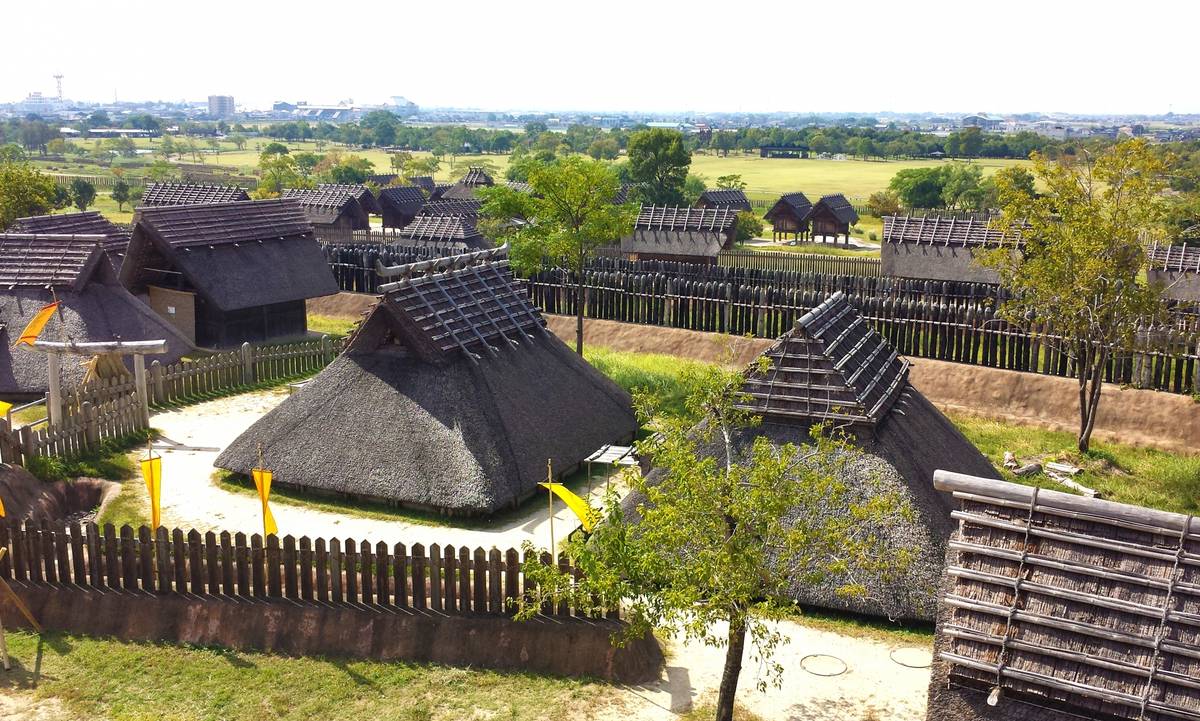
The remains of a massive Yayoi-period settlement are still etched into the land here. Enclosed by a 2.5-kilometer moat, the Yoshinogari Ruins preserve over 3,000 jar burials, watchtower foundations, and dwelling sites, making it one of Japan's largest Yayoi archaeological sites. The site opened as a historical park in 2001, and walking through the reconstructed pit dwellings and raised-floor storehouses brings life 2,000 years ago vividly to the surface. It's a place where you can feel the scale of social change that rice cultivation brought.
Niji no Matsubara
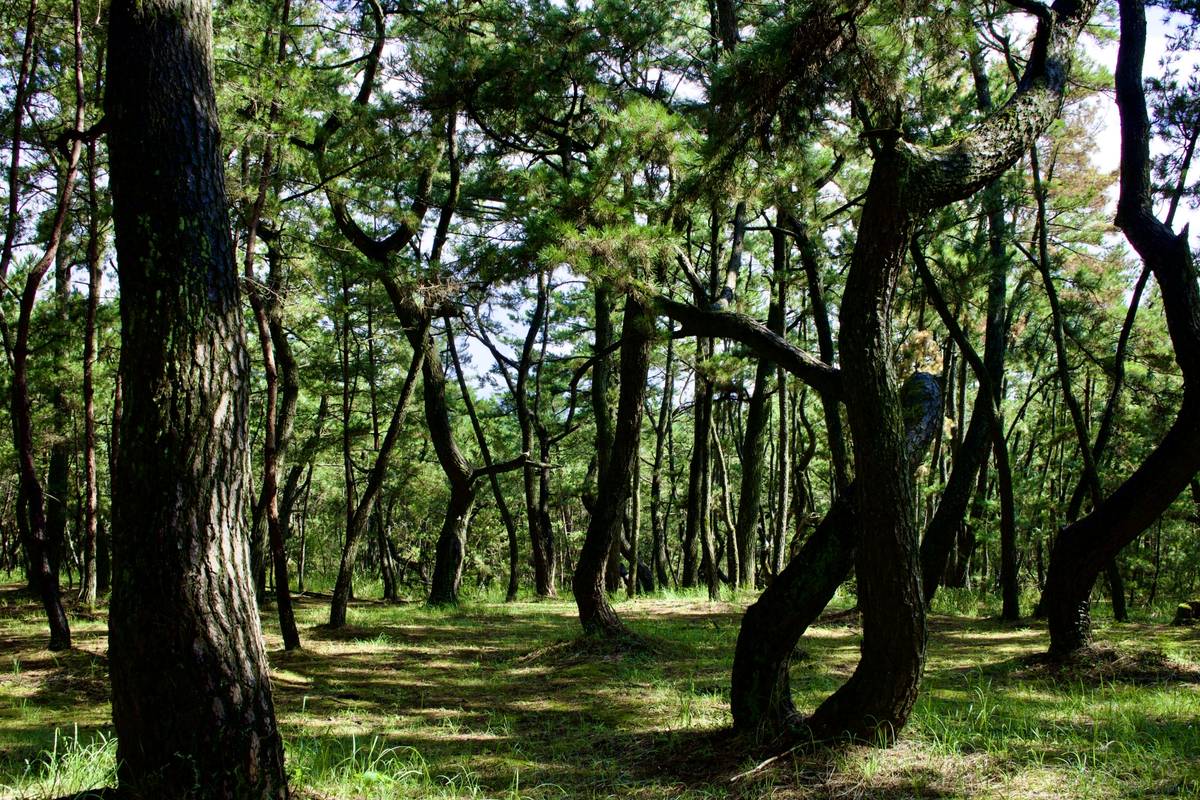
Stretching 4.5 kilometers along Karatsu Bay and half a kilometer wide, roughly one million black pine trees form an unbroken canopy. Niji no Matsubara is one of Japan's three great pine groves and has been designated a Special Place of Scenic Beauty. In the early Edo period, the Karatsu Domain planted these pines to shield against tides and wind, and four centuries later, the grove still stands guard over the coast. Walk beneath the trees, and the dappled sunlight and salt breeze mingle in a way that makes time feel slower.
Takeo Onsen and Ureshino Onsen
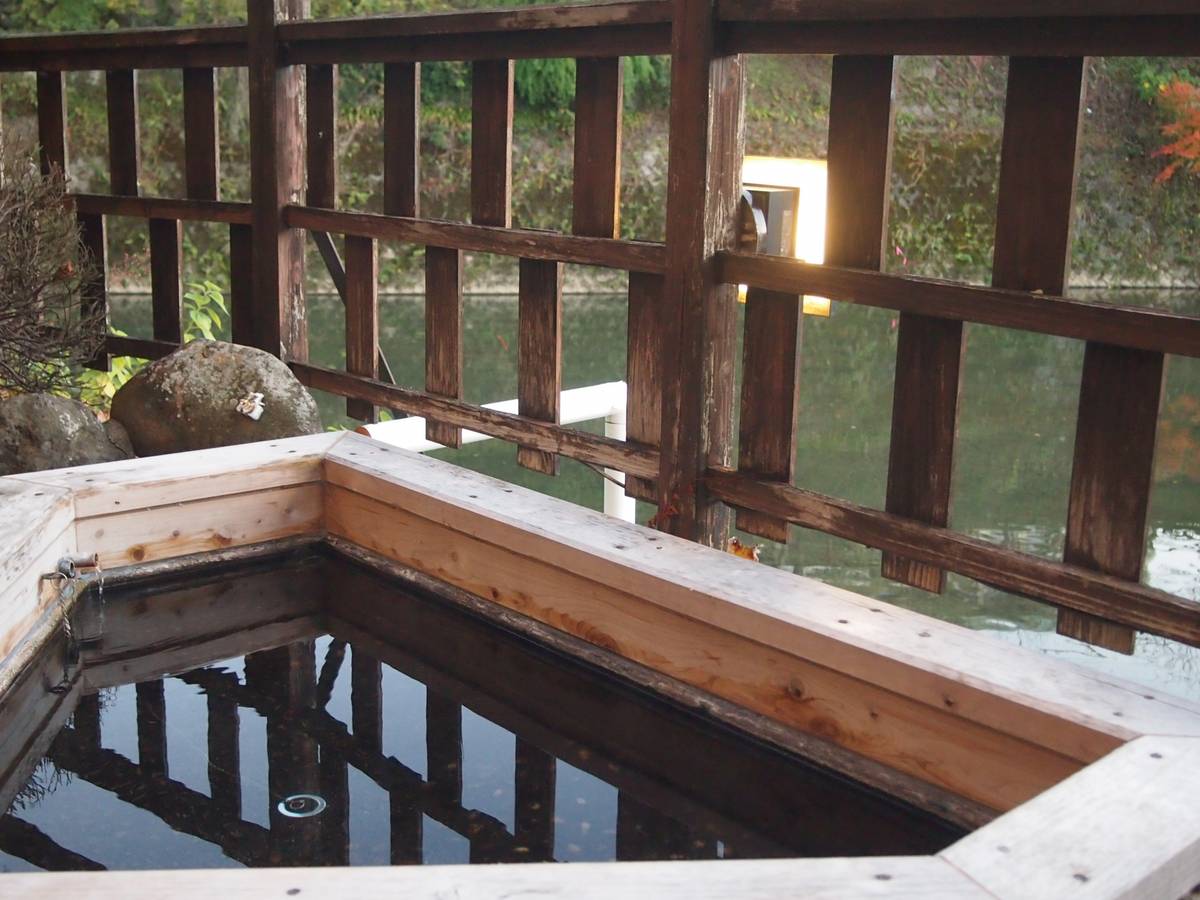
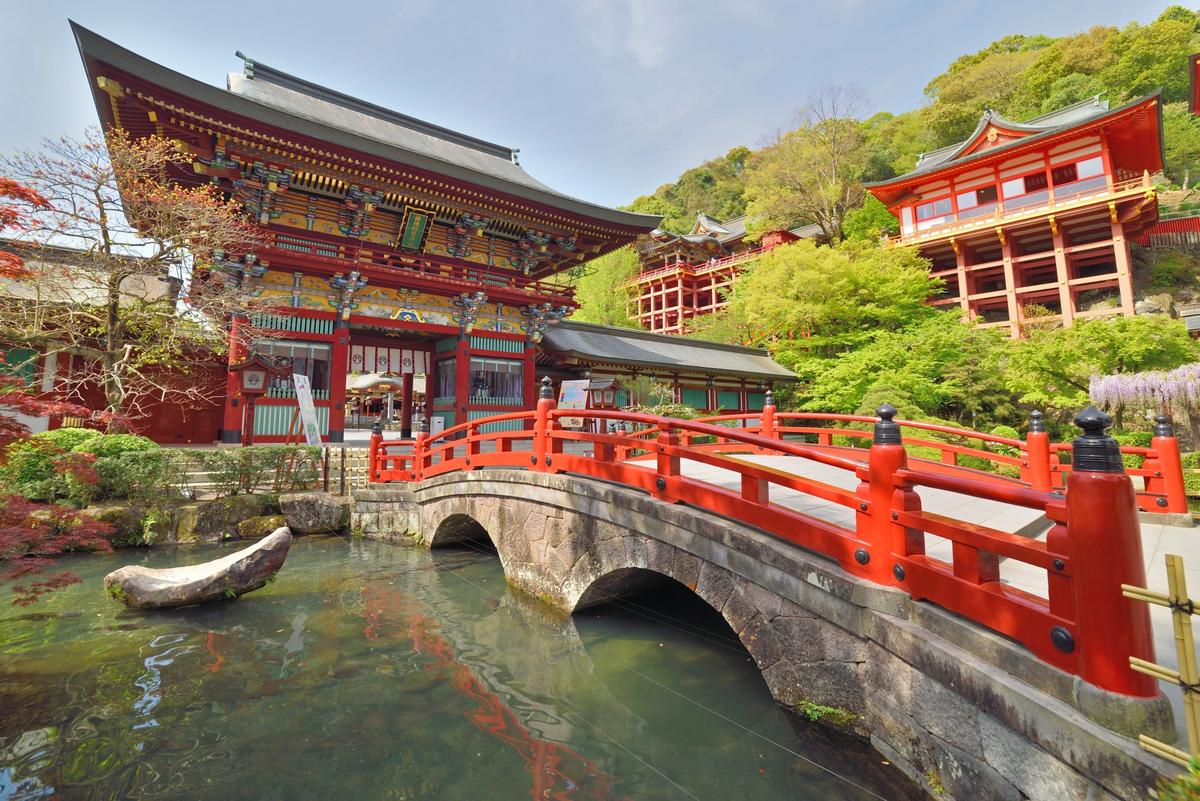
Takeo Onsen carries over 1,300 years of history, first recorded in the Hizen Fudoki, an ancient provincial chronicle. The vermilion-lacquered tower gate at its entrance was designed by Tatsuno Kingo, the architect also known for Tokyo Station, and has become the symbol of the hot spring town. The alkaline waters are gentle on the skin, and the narrow streets retain a Shōwa-era atmosphere. Ureshino Onsen, meanwhile, is counted among Japan's three finest springs for beautiful skin, known for its silky-smooth mineral water. The two towns sit about 30 minutes apart by car, making it easy to visit both in a single trip.
Karatsu Kunchi
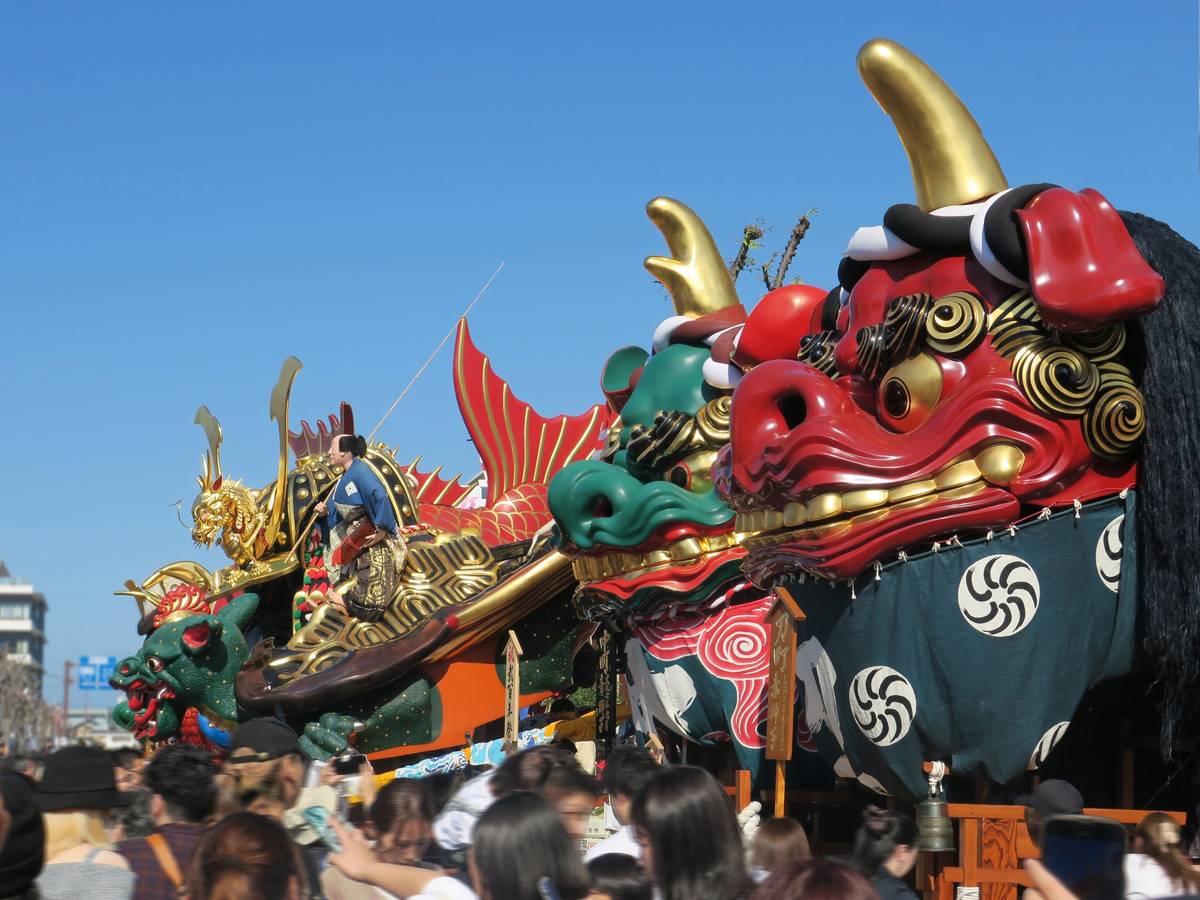
Every year from November 2 to 4, the castle town of Karatsu is swept up in festival fever. Fourteen floats, crafted using a lacquer papier-mâché technique called ikkan-bari, parade through the streets in a spectacle registered as a UNESCO Intangible Cultural Heritage. Amid the sound of flutes and drums, the shouts of the float-pullers pierce the autumn sky. It is the festival that defines autumn in Saga.
Location
Where is Saga?
Saga Prefecture is located in the northwestern part of the Kyushu region, bordered by Fukuoka Prefecture to the east and Nagasaki Prefecture to the south. The northern side faces the Genkai Sea, while the western side faces the Ariake Sea, giving it distinct geographical features.
The climate of Saga Prefecture is typically warm and humid, with hot and humid summers and relatively mild winters. Particularly along the Ariake Sea coast, the tidal range is significant, known as the area with the largest tidal range in Japan.
In the central part of the prefecture lies the Saga Plain, forming a rich agricultural area. The Sefuri Mountains are in the north, and the Tara Mountain Range extends in the southwest. This geographical diversity has fostered different climates and cultures in the plains and mountainous areas.
Loading map...
Access
Getting to Saga
Direct flights operate from Narita and Haneda airports to Saga Airport. If you prioritize international connections or flight frequency, Fukuoka Airport is the more convenient option. From there, the subway takes just six minutes to Hakata Station, where you can catch a JR limited express to Saga Station.
From Tokyo, the Shinkansen reaches Hakata Station in about five hours. A JR limited express Kamome then takes roughly 40 minutes to Saga Station. From Osaka, the Shinkansen ride to Hakata is around two and a half hours, with the same 40-minute transfer onward. For Takeo Onsen and Ureshino Onsen, the Nishi-Kyūshū Shinkansen, which opened in September 2022, connects Takeo Onsen Station to Nagasaki Station. You'll transfer between the conventional limited express and the Shinkansen at Takeo Onsen Station.
Getting Around the Prefecture
JR local lines and buses connect major sightseeing spots from Saga Station and Karatsu Station. Route buses and taxis are convenient for reaching the hot spring towns along the Ariake Sea coast and inland areas. Many routes accept IC transit cards, so you can get around easily without needing cash.
Seasonal Notes
The rainy season from June through July brings frequent downpours, so it's worth building extra time into your travel plans. In winter, seasonal winds pick up along the Genkai Sea coast. Bring warm clothing and check the weather before heading out.
Local pride
Specialty Products
Saga Prefecture is blessed with two distinct coastlines, the Ariake Sea and the Genkai Sea, and a deep tradition of craftsmanship. The fertile plains yield high-quality rice and vegetables, while the coastal fisheries have long provided rich seafood, from nori seaweed to squid.
The ceramics industry here dates back more than 400 years, and both porcelain and stoneware continue to earn recognition at home and abroad. Agriculture sustained by a warm climate and artisanship passed down through generations of craftspeople coexist here. That is the backdrop behind Saga's local specialties.
Food
Crafts & Others
Through the ages
History of Saga
The area now known as Saga Prefecture was once part of the ancient province of Hizen. During the Yayoi period, one of Japan's largest moated settlements took shape at Yoshinogari, growing alongside the spread of rice cultivation. Under the ritsuryō administrative system, the region played a role in Kyūshū's governance and sat along routes of exchange with the Asian continent, making it a crossroads of people and culture from early on.
In the Sengoku period, the Ryūzōji clan, led by Ryūzōji Takanobu, expanded its influence across the Saga region. Before long, Nabeshima Naoshige rose to prominence, and the Nabeshima family came to govern the Saga Domain, assessed at 357,000 koku. In the Karatsu area, the first domain lord Terazawa Hirotaka planted pine trees along the coast in the early 1600s to protect against tides and wind, laying the foundation for today's Niji no Matsubara. Around the same time, porcelain production began in Arita, giving rise to a thriving ceramic culture.
At the end of the Edo period, Saga Domain stood alongside Satsuma, Chōshū, and Tosa as one of the leading domains driving the Meiji Restoration. Domain lord Nabeshima Naomasa completed Japan's first reverberatory furnace and even began building a steamship, a visionary figure of the era. Following the abolition of the domain system in 1871, Saga Prefecture was established the following year. However, the Saga Rebellion of 1874 led to the prefecture's dissolution, and it took a full decade before Saga was restored as a prefecture.
Continue exploring
Discover other areas and hidden gems across Kyushu Region.