Oita
大分県
Start here
What to know about Oita
Ōita Prefecture is one of Japan's leading hot spring destinations, enriched by ancient history and abundant natural beauty. From Beppu Onsen, with the nation's highest number of hot spring sources and greatest water volume, to Yufuin Onsen nestled at the foot of Yufudake, affectionately known as Bungo Fuji, and extending to the majestic Kujū Mountains with their distinctive ecosystems, the prefecture reveals a different face with each passing season.
Beppu Onsen
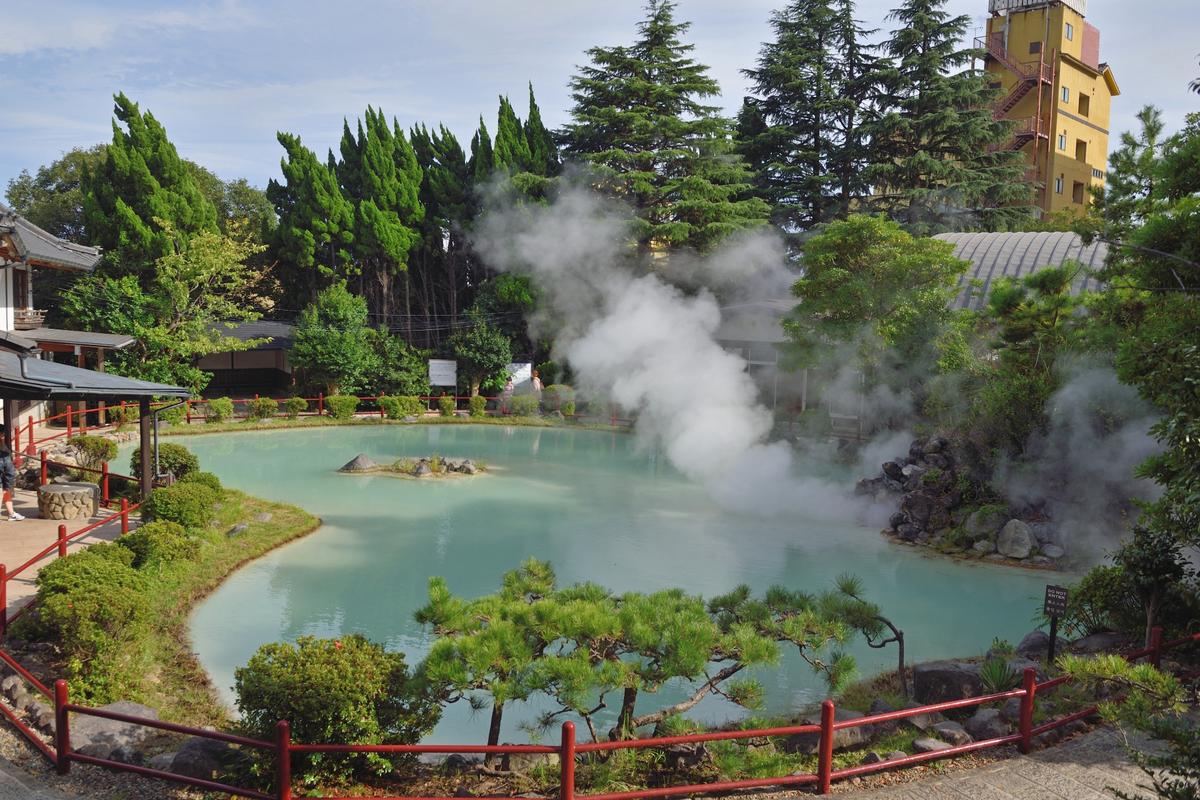
Beppu Onsen features 2,832 hot spring sources with a water discharge exceeding 100,000 liters per minute, making it one of Japan's premier hot spring destinations. Seven of the ten water quality classifications are confirmed here, and each hot spring offers distinct therapeutic properties. The jigoku meguri, or hell tour, was created to experience the diversity of these springs, allowing visitors to visit seven distinctive hot springs including Umi Jigoku (Sea Hell) and Chi no Ike Jigoku (Blood Pond Hell). Their vivid colors and unique landscapes convey the depth of hot spring culture.
Yufuin Onsen
Located at the foot of Yufudake, affectionately called Bungo Fuji, Yufuin Onsen is characterized by a quiet and refined atmosphere. Morning mist at Lake Kinrin creates an ethereal landscape beloved by photography enthusiasts. Yunotsubo Street is lined with distinctive cafés and specialty shops, creating an area where hot spring resort tradition harmonizes with contemporary lifestyle.
Kujū Mountains
Called “the roof of Kyūshū,” the Kujū Mountains come alive from late May through mid-June when miyama-kirishima azaleas blanket the landscape. The autumn foliage is also renowned, and the landscape powerfully conveys the changing seasons. Tadewara Marsh is registered under the Ramsar Convention and is protected as an important region preserving a valuable ecosystem.
Usa Jingū
Known as the head shrine of over 40,000 Hachiman shrines throughout the nation, Usa Jingū was established in 725. Its main hall is designated as a national treasure, and as a structure testifying to ancient faith traditions, it continues to welcome many visitors today.
Where to go
Places to visit in Oita
Curated spots and experiences across Oita.
Shrines & Temples
1 place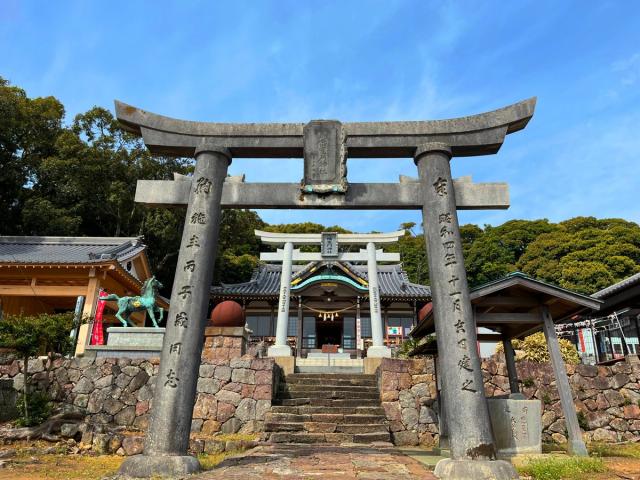
Zoom in
Areas in Oita
Neighborhoods and districts to explore

Location
Where is Oita?
Located in the northeast of Kyūshū, Ōita Prefecture is blessed with abundant natural beauty and distinctive geography. Centered on Ōita City, the prefectural capital, approximately 1.07 million people call the prefecture home as of January 2026, making it the 33rd most populous prefecture in Japan.
The mountainous terrain that dominates most of the prefecture features a succession of peaks, with the Kujū Mountains' Nakadake (1,791 meters) at the forefront, representing the highest point on Kyūshū's main island. The Kujū Highlands and Handa Highlands create majestic scenery, while diverse regional characteristics stretch across the landscape from the Kunisaki Peninsula in the northeast to the Bungo Channel in the southwest. The coastline along Beppu Bay is also an important face of the prefecture.
Climate varies by region. The north experiences the influence of the Seto Inland Sea climate, characterized by mild temperatures and little rainfall. The south is warm and humid, with Ōita City's average annual temperature of approximately 16.4°C providing a comfortable living environment.
Loading map...
Access
Getting to Oita
Ōita Airport is approximately 1 hour 40 minutes from Tokyo's Haneda Airport. Convenient route buses depart from the airport, reaching Beppu in about 50 minutes and central Ōita City in about 60 minutes.
From Kokura Station via JR's Nippō Main Line to Ōita Station, the Sonic limited express takes approximately 1 hour 20 minutes. Many visitors also use Fukuoka's Hakata Station, arriving in Ōita in about 2 hours. For travel toward Yufuin, the JR Kyūdai Main Line from Ōita Station takes about 2 hours, or alternatively the Yufuin no Mori limited express from Hakata Station arrives in approximately 2 hours 15 minutes.
Getting Around the Prefecture
Travel between Beppu and Ōita City is convenient by train or bus, with connections established in 15 to 30 minutes. An extensive bus network connects destinations throughout the prefecture, allowing for well-planned travel.
Seasonal Considerations
If planning a winter visit to the Kujū Highlands, be aware that snow is possible. Summer features relatively comfortable weather, making it ideal for sightseeing.
Local pride
Specialty Products
Ōita Prefecture's economy is supported by distinctive agricultural, livestock, and fishing products. Kabosu accounts for 99% of the nation's production, commanding an overwhelming market share, while dried shiitake mushrooms make the prefecture Japan's leading producer. The Bungo Channel is known as an excellent fishing ground, and high-quality fish caught by single-line fishing methods grace dinner tables across the region. Livestock farming in the highland areas produces high-quality animal products. In the realm of craftsmanship, bamboo weaving and pottery traditions continue to be passed down, while Beppu leads the way with the highest number of hot spring sources and volume of hot spring water in Japan, enriching the entire prefecture with abundant natural resources.
Food
Crafts & Others
Through the ages
History of Oita
Ōita Prefecture's history began as part of Bungo and Buzen provinces. During the Sengoku period, Ōtomo Sōrin ruled this region, and in 1551 Xavier visited Bungo's Funai. When Sōrin permitted Christian missionary work, Ōita became an important gateway for the introduction of nanban culture. In 1557, Japan's first Western surgical operation was performed in Funai, marking the region as an advanced area for its time.
With the advent of the Edo period, Ōita Prefecture was divided into seven small to medium-sized domains. The Funai, Usuki, and Kitsuki domains, among others, governed their territories, and distinct cultures and industries developed in each region. During this period, practical use of hot springs began, and the region's resources continued to be developed and refined.
As the prefecture moved toward the modern era, full-scale development of Beppu Onsen progressed. Leveraging abundant hot spring sources and high water volume, the region developed into a tourist destination and grew to become one of Japan's representative hot spring areas. This development greatly supported the prefecture's economy, establishing the foundation for the tourism industry that flourishes today.
Continue exploring
Discover other areas and hidden gems across Kyushu Region.