Japan Pocket WiFi Rental
Pocket WiFi is still popular for getting online in Japan, especially on group trips or when you're connecting several devices. This page shows how to tell whether you need one and how to choose between pocket WiFi and eSIM, then compares pickup options and prices from 9 rental providers. It also covers how to rent and return the device, and how much data to plan for.
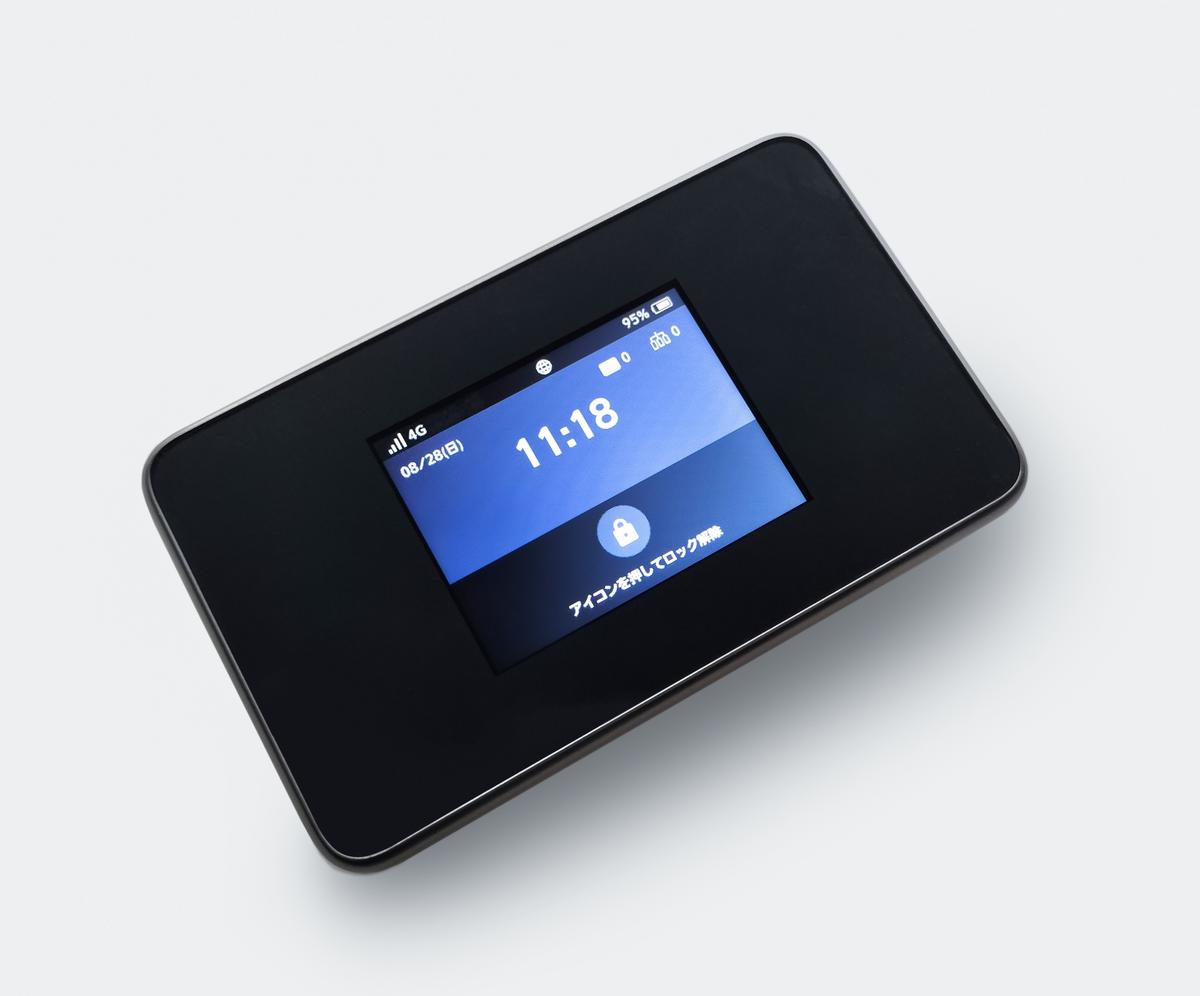
Pocket WiFi is a portable Wi-Fi router that you carry with you and use within Japan. You pick up the device at the airport or where you're staying, then connect several smartphones or laptops to it. You return it on the day you head home, which is the last day of your rental.
As of 2026, if you're traveling solo with a single eSIM-compatible phone, an eSIM will keep your costs lower. Pocket WiFi is still a strong favorite, though, for group trips, trips that involve laptop work, and trips where you'll upload lots of photos and videos.
This guide walks you through it all in plain terms: how to tell whether you need one, how to choose a provider, how the rental process works, what the pricing plans look like, how much data to plan for, and what to watch out for while you're using it.
Do You Need Pocket WiFi in Japan?
Honestly, it's hard to recommend sightseeing in Japan on free Wi-Fi alone. Stations and hotels do have it, but if you get lost, you might not be able to open a map app or translation tool right when you need it.
Free Wi-Fi spots in Japan have been on the decline over the past few years. At convenience stores, 7-Eleven's 7SPOT service ended in March 2022, and FamilyMart's free Wi-Fi ended in July of the same year. On the Tokyo Metro subway, the Wi-Fi service for international visitors has remained suspended since July 2026. Citing the hassle of registering and unreliable connections, the Japan National Tourism Organization (JNTO) also recommends using rental Wi-Fi or SIM cards.
You can count on free Wi-Fi at airports and hotels, as well as onboard Wi-Fi on the shinkansen (bullet train), which requires registration. Where you're most likely to get stuck is the time in between: after you leave the airport or station and before you reach where you're staying.
4 Ways to Stay Connected in Japan
- Pocket WiFi: Share one rented device among several people and gadgets
- eSIM: Set it all up on your phone, with nothing extra to pack
- Physical SIM card: Swap a card into an unlocked (SIM-free) phone
- International roaming: Skip the paperwork, but expect higher rates
Who Pocket WiFi Suits and Who It Doesn't
- A good fit if
- you're traveling as a group of two or more, since you can share one device and split the cost
- you're using a SIM-locked phone or a model that doesn't support eSIM
- you want to connect a laptop or tablet as well as your phone
- you're traveling for something like a fan event or an anime pilgrimage (visiting real places that appear in anime), sending lots of photos and videos on-site and keeping a map app open the whole time you're getting around
- Not a good fit if
- you're traveling solo with one eSIM-compatible phone, since a router means more to carry, more to charge, and a pickup and return to deal with
Pocket WiFi vs eSIM in Japan: Which Should You Choose?
The easiest way to choose comes down to this: eSIM if you're traveling solo, pocket WiFi if there are two or more of you or you're connecting a lot of devices. Some seasoned travelers set off with both.
Where Pocket WiFi Wins
- Split the cost: When several people use it, the cost per person goes down.
- Use any device: Even an older smartphone or a phone that's still SIM-locked works fine, as long as it can connect to Wi-Fi.
Where eSIM Wins
- Nothing extra to carry: There's no router to charge, and no pickup or return to deal with at all.
- No waiting: You're online the moment you land, with no line to stand in at a counter. For a short four-day, three-night trip using a few GB or so, it costs less than a router rented by the day.
Using Pocket WiFi and eSIM Together
For group trips, a handy setup is one pocket WiFi device plus a small-data eSIM for each person.
With only one router, whoever isn't carrying it loses their connection the moment the group splits up. If you plan to go separate ways for half a day or so, installing a small-data eSIM for staying in touch makes it easy to meet back up.
9 Best Pocket WiFi Rentals in Japan
The best pick depends on how you'll use it. All prices are as of September 2026.
*Note: It’s not the ranking.
- Airport pickup and return: NINJA WiFi
- Delivery to where you're staying: Japan Wireless
- Same-day rental with no reservation: WiFiBOX
- Long stays of a month or more: Mobal
1. NINJA WiFi
Suited to travelers who value the convenience of airport counter pickup and return above all else.
- Pickup: Airport counters at Haneda (Terminals 2 and 3), Narita (Terminals 1 to 3), Kansai (Terminals 1 and 2), Itami, Fukuoka, Chubu Centrair, New Chitose, Naha, and more. You need to reserve by 16:00 Japan time the day before pickup.
- Return: At a counter, in a return box, or by courier.
- Daily rates:
- SoftBank 4G (1GB to 10GB): ¥440 to ¥1,320
- Infinite Unlimited (no data cap): ¥1,980
- docomo 5G (no data cap): ¥2,200
- Note: Even a plan named "Unlimited Plan" may come with a daily cap of 1GB to 10GB. If you want a truly unlimited plan, choose Infinite Unlimited.
2. Sakura Mobile
A good match if you want English-language support and don't want to worry about how much data you use.
- Pickup: Narita, Haneda, Kansai, and Fukuoka airports, the Shinjuku office, or delivery to hotels across Japan.
- Return: Drop it in a Japan Post mailbox using the enclosed prepaid return envelope, by midnight on your return date.
- Features: Runs on docomo's 4G LTE network. Truly unlimited, with no speed throttling or extra charges. Connects up to 15 devices, with up to 20 hours of battery life.
- Prices (tax included): ¥6,300 for 4 days, ¥9,900 for 7 days, ¥37,500 for 30 days (10% off when you rent two or more devices).
- Note: The "from ¥299 per day" figure on the official website is the daily rate worked out for a 30-day contract. For shorter rentals, the daily rate is higher.
3. Japan Experience
Made for travelers from Europe who'd like to pay in euros or pounds. The company, founded in 1981, specializes in travel to Japan.
- Pickup: JAL ABC counters at Narita, Haneda, and Kansai airports, or delivery to your hotel.
- Specs: SoftBank 4G network. Speeds drop temporarily once you go over 3GB in a day. Connects up to 5 devices, with 8 to 10 hours of battery life.
- Prices: From €22 for 5 days (rental periods run from 5 to 45 days).
- Note: Even if you cancel at least a week ahead, you'll pay a 15% fee. Late returns cost €8 per day, and a lost device carries a €180 replacement fee.
Pocket wifi: unlimited data plan for Japan
4. Japan Wireless
For travelers who'd rather not hunt for a counter at the airport and want to receive the package directly at their hotel.
- Pickup: At your hotel's front desk when you check in, or at the airport. Note: The specific airport terminals aren't disclosed. Delivery to a private home is possible, but not to an Airbnb.
- Specs: Truly unlimited, with no speed throttling or fair-use limits. Connects up to 8 devices, with 8 to 10 hours of battery life (power bank included).
- Prices: From US$5.30 per day (you can switch the display to yen). Reservations must be made at least 3 days ahead.
- Return: Drop it in a mailbox using the enclosed prepaid return envelope.
5. eConnect Japan
Geared toward anyone who wants to keep costs as low as possible, or who's staying at a minpaku (private vacation rental) or guesthouse.
- Pickup: Post offices inside airports (Narita, Haneda, and others), or delivery to hotels, guesthouses, and minpaku.
- Prices: ¥234 to ¥980 per day (tax and shipping not included). Book at least 3 weeks ahead to get an early-bird discount.
- Specs: SoftBank 4G network. If you use a lot of data, the carrier may throttle your speed at its discretion. Connects up to 14 devices, with about 8 hours of battery life (power bank included).
- Note: There's no damage and loss coverage (insurance) option, so be careful about the risk of damaging or losing the device.
6. Global Advanced Communications (GAC)
For travelers who put a priority on getting a quick replacement if the device has problems.
- Pickup: Post offices inside major airports, or delivery to your hotel.
- Prices (in US dollars):
- Standard plan (3GB per day): $27 for 7 days, $75 for 30 days
- Unlimited plan (4G): $43 for 7 days, $122 for 30 days
- Unlimited plan (5G): $75 for 7 days, $199 for 30 days
- Note: Network details, fair-use rules, and insurance terms aren't published, which makes it harder to check things before you book.
7. CDJapan Rental
Suited to stays of 5 days or more when you want high-capacity or unlimited data.
- Pickup: Post offices across Japan, including those inside airports, or hotels (the hotel must agree in advance).
- Plans and monthly prices:
- WiMAX+5G unlimited: ¥5,500 per month
- SoftBank unlimited: ¥5,500 per month
- SoftBank 100GB: ¥4,600 per month (speeds drop to 256kbps after 100GB)
- Note: Daily rates for short-term use aren't published, so if you only need it for a few days or so, it's hard to compare with other options.
8. WiFiBOX
For anyone who forgot to reserve in advance, or who wants to rent based on how the day is going.
- Pickup and return: Dedicated machines are set up at more than 700 locations across Japan, including major airports, major train stations, and convenience stores. Scan a QR code and pull the device out in 10 seconds. To return it, insert it into the slot of any machine anywhere in the country.
- Daily rates:
- 200MB: ¥300, 500MB: ¥440, 1GB: ¥660
- Unlimited (slows to 1Mbps after 3GB in a day): ¥840
- 4G, truly unlimited: ¥1,390
- 5G, truly unlimited (airports only): ¥1,980 (¥488 per day with the 30-day pack)
- Specs: The 4G router connects up to 5 devices and lasts 12 hours on a charge. The 5G router connects up to 10 devices and lasts 20 hours.
9. Mobal
Mobal is a buy-the-device service, suited to long stays of a month or more, study abroad, working holidays, and the like.
- Features: You buy the device itself (¥6,980) and sign up for a monthly plan, so there's nothing to return.
- Monthly prices:
- 100GB: ¥4,980 per month
- 200GB: ¥5,980 per month
- 300GB: ¥6,980 per month (speeds drop to 384kbps once you go over)
- Note: The router has no built-in battery. Whenever it's in use, it needs a constant power supply over USB-C, from either a power bank or a wall outlet.
How to Rent and Return Pocket WiFi in Japan
The process comes down to four steps.
- Book online: Sign up before you leave (WiFiBOX is the only option that lets you pick it up same-day without a reservation).
- Pick up: Collect it at the airport counter, airport post office, or hotel you specified.
- Use: Charge it every night during your trip.
- Return: Hand it back on the day you leave Japan, which is your last day of use.
Picking Up at the Airport
Once you're out in the arrivals lobby, head to the counter or post office you're picking up from. If you're arriving on a late-night or early-morning flight, be sure to check the counter's opening hours in advance (for example, the JAL ABC counter at Kansai Terminal 1 closes at 22:30). If you'll land outside business hours, hotel delivery or a WiFiBOX pickup is the reliable option.
Delivery to Where You're Staying
Hotel stays make this very smooth, since you can pick it up at the front desk when you check in.
- Minpaku and Airbnb: You'll need to choose a provider that delivers to them, such as eConnect Japan.
- Guesthouses and capsule hotels: For peace of mind, check with the property ahead of time that they can accept and hold a package for you.
[Related article: How to Choose a Capsule Hotel and What to Watch Out For]
Returning the Device and Return Deadlines
You can return the device in one of these ways: at an airport counter or return box, by dropping it in a mailbox using Japan Post's Letter Pack or similar, or by courier.
Keep in mind that each company defines its return deadline differently.
- Sakura Mobile: By midnight on your last day of use
- Japan Experience: By noon the next day
- Japan Wireless: By 15:00 the next day. Note: If you return late, you'll pay extra fees (for example, ¥1,617 per day with NINJA WiFi).
How Much Does Pocket WiFi Cost in Japan?
Here's what prices typically look like as of September 2026.
- Small data plans (200MB and up): From ¥200 up to the ¥300s per day
- Unlimited plans: ¥1,390 to ¥2,200 per day (for short-term rentals)
- Long-term rentals: With a 30-day pack or similar, the daily cost comes down to about ¥400 to ¥1,200.
Sharing Makes It Cheaper
For example, here's how Sakura Mobile's 7-day unlimited plan (¥9,900) works out:
- Shared by 2 people: ¥4,950 per person
- Shared by 4 people: ¥2,475 per person
With eSIMs, each person has to buy their own, but one pocket WiFi device can be shared, so the cost per person drops dramatically as your group gets bigger.
How Much Data Do You Need?
If you'll mostly be searching maps, translating, and messaging, 1GB to 2GB per day is plenty. If your photos auto-sync to the cloud or you'll be posting videos on social media, though, an unlimited plan is the safer choice.
Watch Out for 3 Kinds of "Unlimited"
- Truly unlimited: No speed throttling at all, however much data you use
- Effectively capped: Speeds are throttled once you go over 3GB in a day (for example, WiFiBOX's ¥840 plan and Japan Experience)
- Capped monthly: Plans labeled "unlimited" that still come with a monthly cap
How Much Data Common Activities Use
- Map navigation: 5MB to 10MB per hour
- YouTube (standard definition): About 450MB per hour
- YouTube (HD): 670MB to 1.1GB per hour
- Photos (each): 2MB to 12MB
- 4K video (per minute): 100MB to 200MB
A typical traveler uses about 500MB to 1GB per day, but people who frequently upload photos and videos easily go over 2GB. On days when you'll be on your phone all day at an event venue or on an anime pilgrimage, choose a plan with room to spare.
Note: At large event venues such as the Comic Market (Comiket) fan convention, the network gets extremely congested even when carriers bring in mobile base station vehicles, so your speed may drop even on pocket WiFi.
4 Things to Know Before You Rent
1. Battery Life and Carry-On Rules
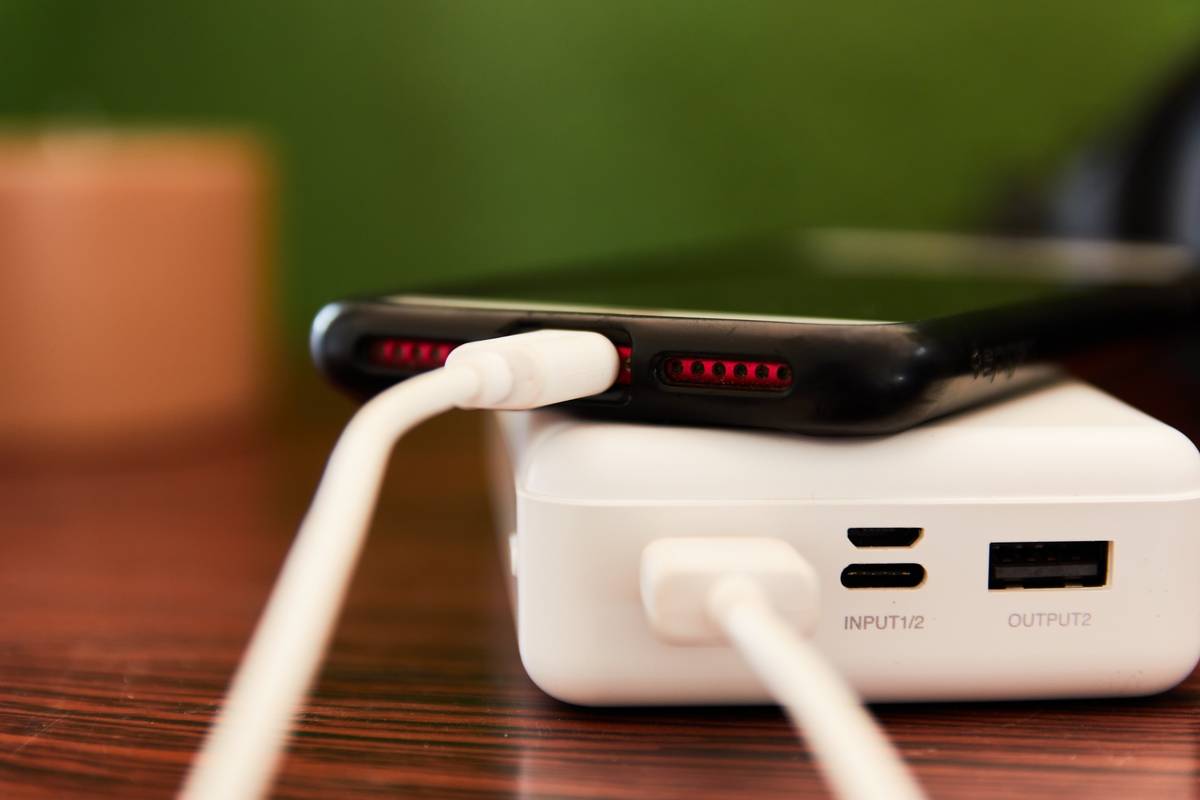
Battery life varies by device, from 5 to 20 hours. If you'll be out all day, carrying a power bank as well will put your mind at ease.
Carry-on rule changes from 2026: The pocket WiFi device and any power banks can't go in your checked luggage (suitcase). Be sure to bring them on board as carry-on items. Since April 24, 2026, Japanese airlines have tightened their rules: power banks you bring on board must be 160Wh or less, with a maximum of two. Charging on board is also prohibited.
2. Coverage Outside the Cities
In cities and major tourist areas, 5G population coverage has reached 98.4% (as of the end of March 2025), and connections are smooth. In the mountains and on remote islands, though, the signal can get weak. If you're planning a mountain hike or a trip to remote, out-of-the-way places, check the coverage map for your network (docomo, SoftBank, and so on) ahead of time.
3. Losing Connection When You Split Up
If your group is sharing one router, anyone who goes off on their own without it loses their connection. Deciding in advance who carries it and who charges it each night helps you avoid trouble.
4. Fees for Lost or Damaged Devices
In the unlikely event that you lose or damage the device, the replacement fee typically runs ¥30,000 to ¥44,000. Damage and loss coverage (insurance) is available for around ¥2,000 per week, so if you're worried, consider adding it.