Meijiza Theater
明治座
About Meijiza Theater
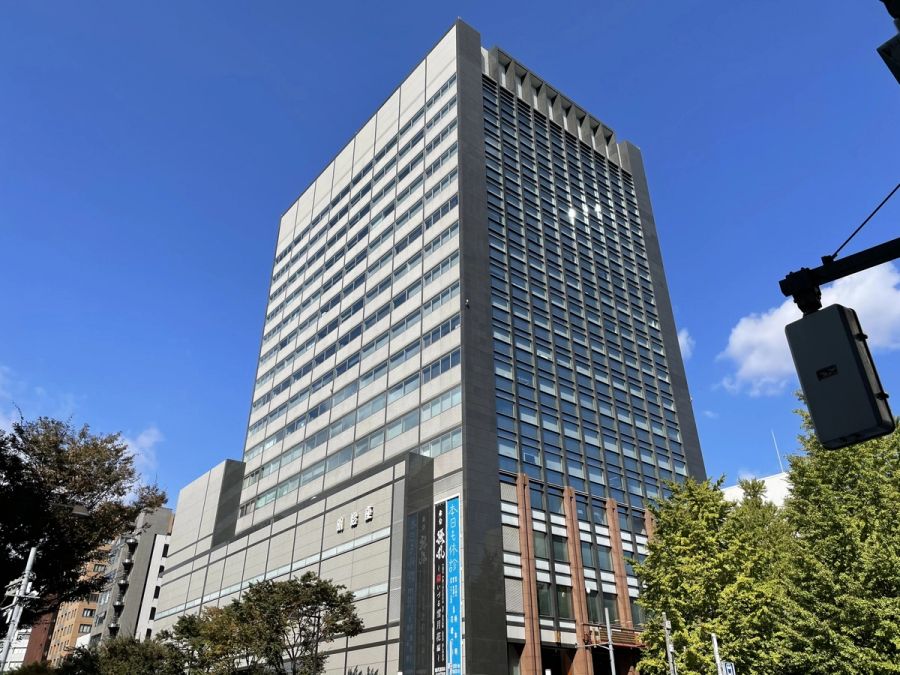
Founded in 1873 (Meiji 6), this is the theater with the longest history in Tokyo. Before the war through the Showa era, it presented performances as a prestigious venue for Kabuki and Shinpa, and in later years, it came to feature mainly period dramas and song-and-variety performances. Today, the number of contemporary plays and musical productions has increased, and it has become a theater where a wide range of performers, from beginner to veteran, take to the stage.
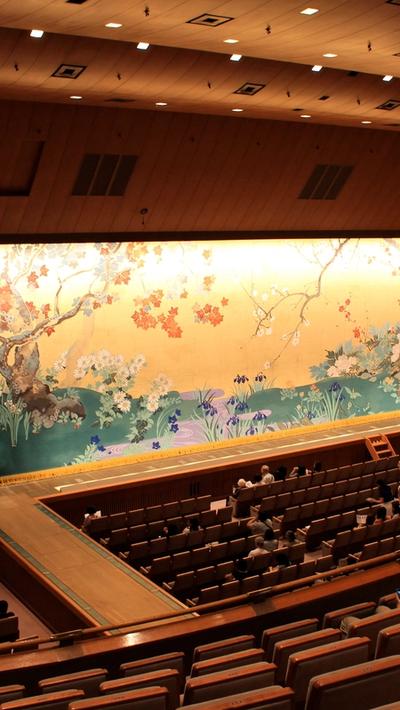
In addition to the hanamichi (runway extending into the audience), it is equipped with a system for chūnori (wire work), which allows for dynamic staging and is one of its major features. During performance periods, banners bearing the names of the performers are erected near the main entrance of the theater. Many fans come to photograph the banners of their favorite actors.
For some performances, English earphone guides are available for rental. Please check the performance information on the Meijiza website to see whether English support is available.
A Theatre with Over 150 Years of History
The predecessor of Meijiza was a playhouse run by the Tomita brothers in Ryogoku at the end of the Edo period. After repeated relocations and destruction by fire followed by reconstruction, the name was changed to Meijiza in 1893. While focusing on Kabuki performances, it also took on challenges such as staging Shakespeare, leading the way in Japan’s theater world.
After this, despite suffering damage from the Great Kanto Earthquake and the Tokyo air raids, it was revived thanks mainly to local volunteers. As more mainstream performances such as comedy plays and popular song shows were added, the theatre became increasingly accessible and familiar to wider audiences.
Furthermore, it was once closed in 1990 (Heisei 2), and the building was reconstructed into a theater equipped with disaster-prevention and fire-prevention facilities and a stage mechanism capable of accommodating a wide range of performances. It reopened in 1993 (Heisei 5) as Japan’s first full-scale theater constructed entirely of steel, and today it is loved as a place where audiences can enjoy a wide variety of entertainment, including period dramas, musical plays, contemporary plays, reading plays, music shows, concerts, Kabuki, musicals, rakugo, and comedy.
Fully Equipped with Escalators and Wheelchair-Accessible Elevators
Meijiza has its entrance on the 1st floor, a lounge on the 2nd floor, and audience seating, shops, and restaurants on the 3rd to 5th floors. It is fully barrier-free, allowing guests using wheelchairs and others to enjoy performances comfortably and safely.
On the 3rd-floor shop, a variety of products are sold, including traditional Japanese sweets such as kintsuba and ningyo-yaki, specialty products from various regions of Japan, saikyo-zuke (Kyoto-style marinated fish), and Japanese sundries. Drinks, light meals, and bento are also available, so you can rest assured if you want to get a bite to eat.
In addition, in the 4th and 5th-floor dining halls, you can enjoy bento during the intermission. The performance limited bento may include each cast member’s favorite foods or menus inspired by the production, allowing you to enjoy a special dining experience. In the 2nd-floor lounge, you can enjoy coffee, sandwiches, and sweets. You can order limited menus inspired by the work currently being performed here, as well.
On the 1st floor, there is the café Hanayagura, which can be used even before the venue opens and by those who do not have tickets. You can enjoy Meijiza’s unique menu items such as monthly pasta specials, colorful cream sodas, and Meijiza pudding for which you can choose your preferred firmness.
Exploring the Neighborhood Around Meijiza
Meijiza is located just outside Hamacho Station on the Toei Shinjuku Line. It is also about a 7-minute walk from Ningyocho Station on the Toei Asakusa Line and Hibiya Line, and about a 10-minute walk from Suitengumae Station on the Hanzomon Line, making it easily accessible from various lines. It is close to the Nihonbashi area, where department stores and other facilities are concentrated, and the Ningyocho area, lined with long-established restaurants, making it convenient for meals and sightseeing before and after performances or between matinee and evening shows.
〒103-0007 2-chōme-31-1 Nihonbashihamachō, Chuo City, Tokyo
Loading map...
Stories about this place
Discover stories and insights about Meijiza Theater
Last Updated: