What Are 2.5D Musicals? Japan’s Theater Culture and a Gateway for Young Actors
2.5D theater in Japan turns manga, anime and games into musicals and stage plays. From The Prince of Tennis to Haikyu!!, and why it launches young actors.
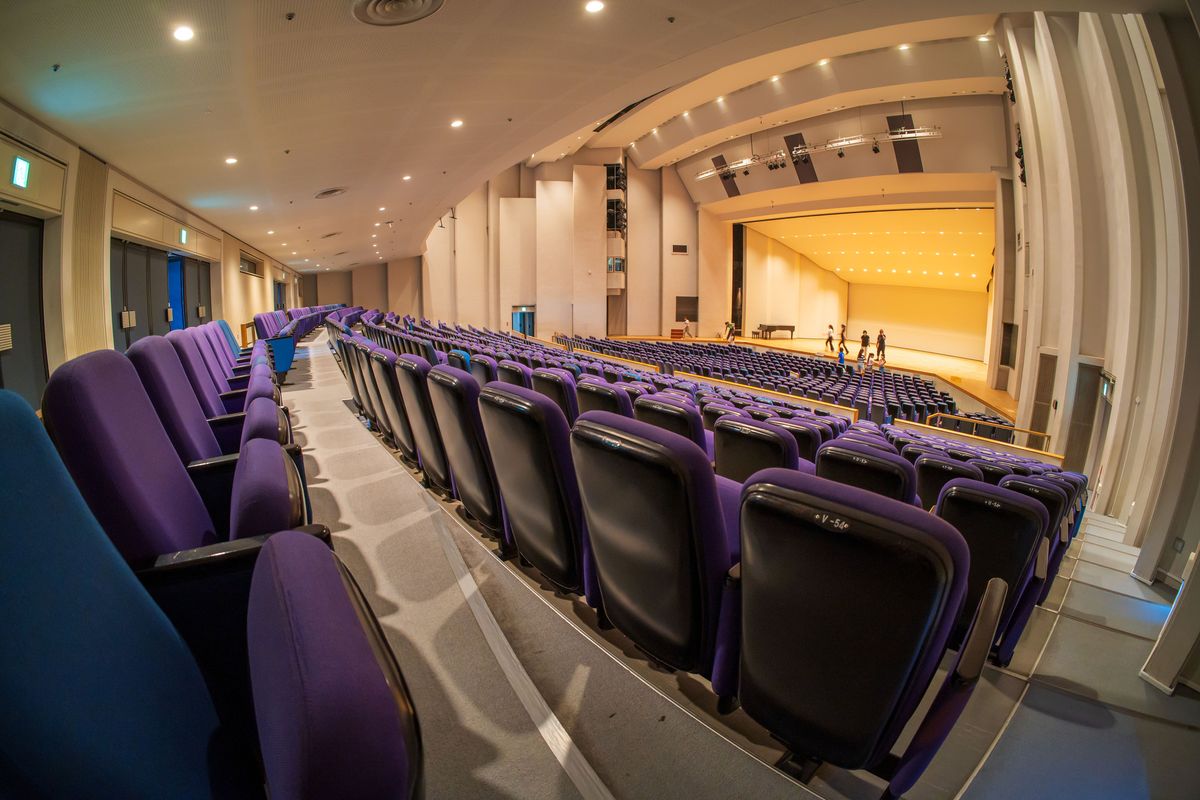
A major presence in Japan’s theater scene today is the 2.5 dimensional musicals/stage productions (2.5D), based on popular manga, games, and anime. In this article, we will explore this uniquely evolving genre of stageplay and works.
Early Roots in Takarazuka's The Rose of Versailles
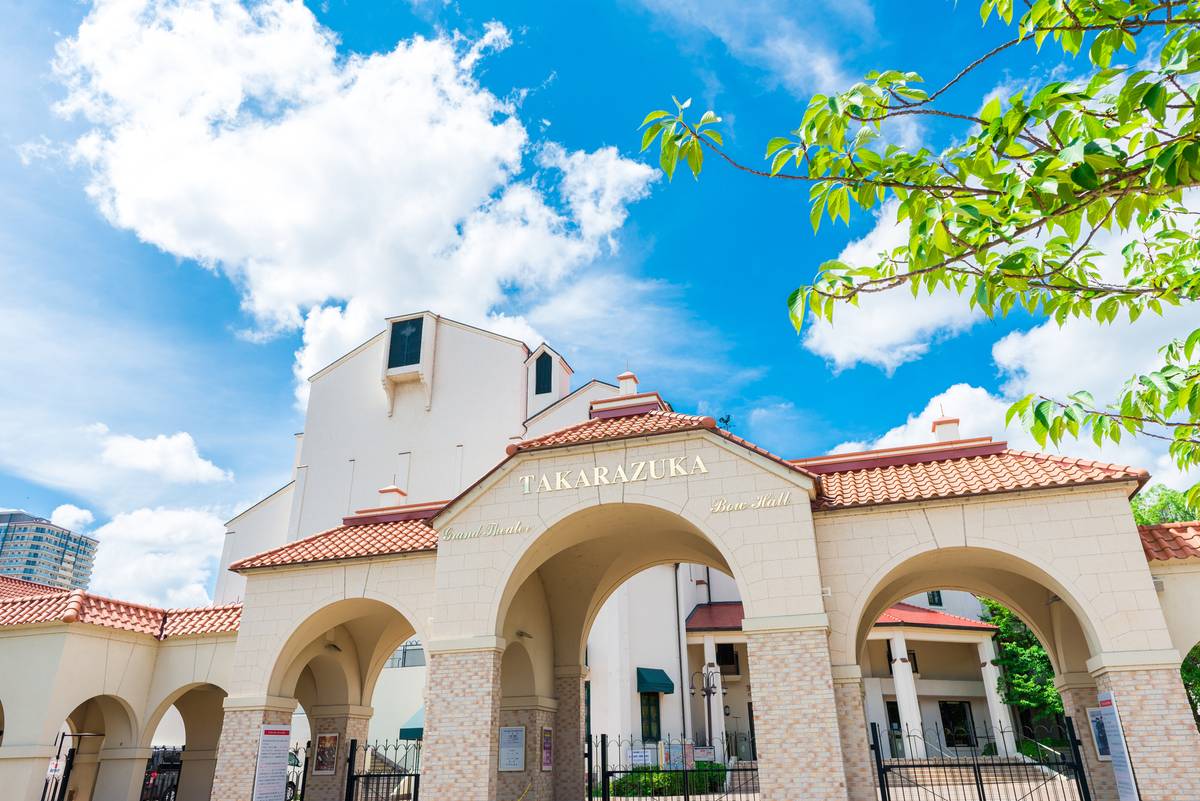
Today, 2.5 dimensional stage plays have grown into a massive genre. Before the 2000s, however, manga and anime were widely seen as children's entertainment, and fans of these media, so-called otaku, often faced social stigma. As a result, stage adaptations of manga were primarily aimed at fans of the actors rather than fans of the source material.
There were popular productions, such as the Takarazuka Revue's The Rose of Versailles, which premiered in 1974 and became one of the troupe's signature works, as well as Shiki Theatre Company's Beauty and the Beast in 1995 and The Lion King in 1998. These, however, were treated strictly as marquee productions by established theater companies.
In the 1990s, the former Johnny's group SMAP turned Saint Seiya into a musical. Drawing on that example, Pretty Guardian Sailor Moon incorporated tokusatsu hero show elements into its stage production, and the foundations of 2.5D theater began to take shape.
The Musical Adaptation of The Prince of Tennis Catapults the Genre into the Spotlight
It would be no exaggeration to say that the most famous 2.5D stage production is the Musical The Prince of Tennis series (commonly known as TeniMyu), which began in 2003.
With a colorful cast of characters played by young actors in their teens and twenties, catchy music, and creative staging that used simple sets combined with lighting and sound effects to depict thrilling matches, the show captivated both theater fans and fans of the original manga. After the story of protagonist Echizen Ryoma and his Seishun Academy teammates fighting their way through the national tournament reached its conclusion, a 2nd Season began, retelling the story from volume one of the manga. As of 2026, performances of the 4th Season are underway.
Since 2020, the manga sequel The New Prince of Tennis has also been adapted for the stage and is being performed alongside the original series.
Winning Fans by Staying True to the Source Material
In conventional media adaptations, it was common to alter characters and storylines to fit the vision of star actors or directors. TeniMyu, however, prioritized casting based on how well each actor embodied their character rather than on acting experience. This commitment to respecting the source material earned the trust of manga fans and was a key reason behind its popularity.
Many of the cast members were newcomers fresh off their debuts or performing on stage for the first time. As a result, the performers’ all-out dedication on stage captured the youthful spirit of characters pouring their passion into tennis. The result was a momentum and fervor unlike anything seen in other productions.
Reaching Audiences Far Beyond the Usual Musical Crowd

Because many of the young actors were early in their careers, there were times, especially in the beginning, when unclear diction made the lyrics hard to catch. This led to the spread of soramimi (misheard lyrics) videos on the video platform Nico Nico Douga, where users overlaid misheard lyrics for comedic effect. Through these videos, TeniMyu's songs reached people who had never had any connection to stage musicals.
Soramimi culture is essentially internet-born mischief; laughing at lyrics that sound completely different from what's actually being sung. Yet among those viewers, some found themselves genuinely hooked, drawn in by the intense match scenes and gradually began to see the performances as genuinely cool. As a result, interest in the stage productions grew, leading more people to attend performances at the theater or purchase DVDs to watch the full shows, ultimately helping attract new fans to the genre.
2.5D Plays Become a Launching Pad for Young Actors
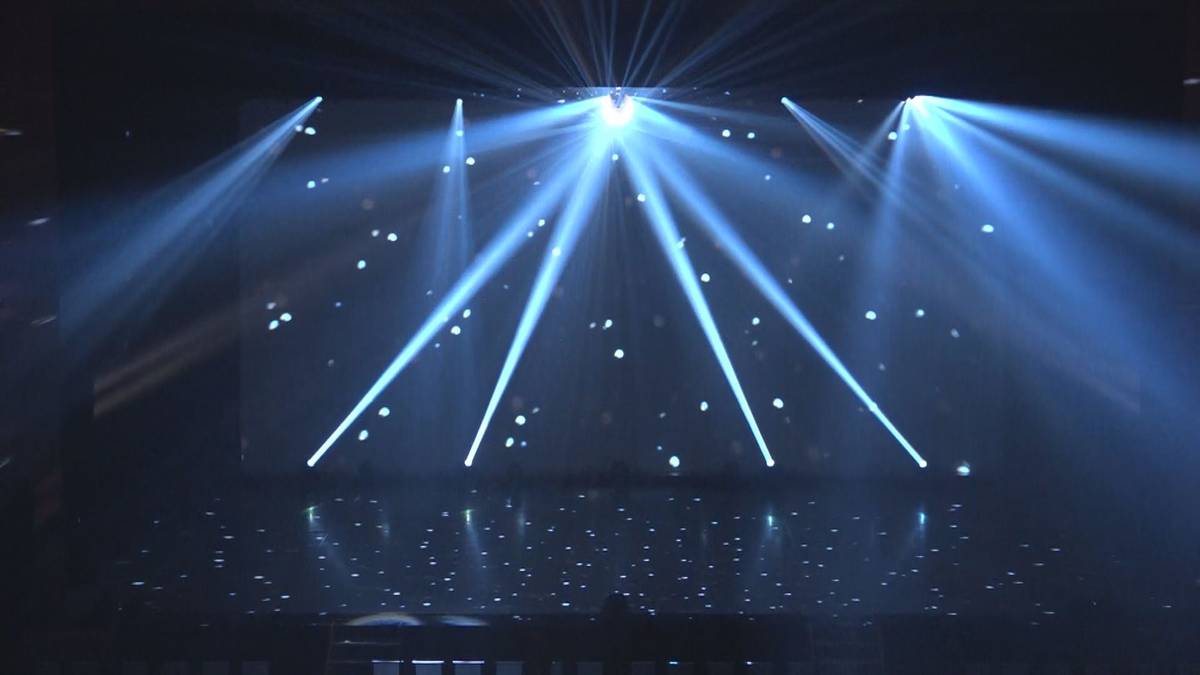
A popular source manga, a high-quality script and direction, costumes and makeup that faithfully recreate the characters' looks; when all of these elements come together, even unknown actors fresh off their debut can sell out tickets and merchandise in lead and main roles, with word of mouth spreading the buzz.
For some actors, appearing in 2.5D stage productions has become a stepping stone to wider success, leading to roles in grand musicals and television dramas where they gain broader popularity. In this way, 2.5D stage productions have come to serve as a kind of “gateway to stardom,” much like appearances in tokusatsu hero series such as Kamen Rider, Super Sentai, and Ultraman. Since the 2010s, the number of these stage productions has continued to grow rapidly.
A New Theater Genre Blending the Appeal of 2D and 3D
A number of stage productions have found creative ways to bring depictions that only worked within the two-dimensional world of manga and anime to life in three-dimensional theater. Here, we introduce some of the productions that have embraced this new form of artistic expression.
Yowamushi Pedal: Expressing Bicycles with Handlebars Alone
When it comes to the thrill of watching real people perform, the stage adaptation of Yowamushi Pedal (commonly known as Pedal Stage), running since 2012, is impossible to overlook. The manga follows Onoda Sakamichi, a boy who discovers road cycling upon entering high school and sets out with his teammates to win the Inter-High championship.
For the stage version, the actors convey the act of cycling using nothing but road bike handlebars. It might sound absurd at first, but the sheer energy of the actors throwing their entire bodies into the performance, the sense of speed, and the realism created by physically moving their legs under strain earned high praise from both manga fans and theater fans alike.
The Song Every Fan Knows Actually Originated on Stage
At the time of the stage adaptation, the anime had not yet been produced, so the theme song of protagonist Onoda Sakamichi's favorite anime Love Hime — "Koi no Hime Hime Pettanko" — received an actual melody for the first time on stage. The lyrics were penned by the manga's creator, Watanabe Ko, and the tateyomi hidden within them also became a hot topic. Note: Tateyomi is a technique where hidden messages are embedded in horizontally written text and can be read by picking out characters vertically.
Haikyu!!: A Production That Embraced Cutting-Edge Technology
While TeniMyu and Pedal Stage fired up audiences' imaginations with simple stage sets, the Hyper Projection Engeki: Haikyu!! series, which launched in 2015, brought a fresh wave to 2.5D theater by using projection mapping and other cutting-edge visual technology to create staging that blended the two-dimensional and three-dimensional worlds.
Many of the characters have black hair, giving the cast a fairly realistic appearance, but the production also used creative touches such as showing illustrations from the original manga alongside the cast introductions to help first-time audiences easily identify each character. At the same time, it delivered the raw excitement of live theater: real volleyballs were used on stage, and flying wire effects brought protagonist Hinata's leaps to life. The production earned acclaim for its novel production, combining the appeal of the source material with the expressive power of live actors.
As projection mapping technology has advanced, video effects have come to be widely used not only in 2.5D stage plays but across many theatrical productions today.
Stage Adaptations That Fuel Excitement for the Original Works
2.5D stage plays gained popularity for their faithfulness to the source material, often exceeding that of live-action TV dramas or films.
In the case of works adapted from mobile games and browser games, however, the 2.5D versions sometimes serve as a platform for deeper character exploration and original storylines.
The stage play and musical adaptations of the browser game Touken Ranbu, for example, developed original stories with different themes for each run, despite the source game having no clear overarching narrative. Character backstories and rivalries hinted at in the game were fleshed out on stage; a new form of cross-media production where the adaptation deepens the original rather than simply retelling it.
The stage adaptation of Hypnosis Mic -Division Rap Battle- (commonly known as Hypsta) is based on a franchise built around music tracks and drama CDs. The production succeeded in expanding the world of the series through original songs written for the stage and stage-exclusive divisions. While the original franchise drew fans with songs composed by internationally renowned hip-hop artists and performed by voice actors, the stage version captivated audiences with live rap and powerful dance performances by the actors. New divisions with relationships and dynamics distinct from the original characters also appeared, earning a devoted following.
Projects Where the Story Progresses in Tandem with the Stage
As 2.5D stage plays adapted from manga and anime continued to gain momentum, projects that took the opposite approach — starting from a three-dimensional stage production and expanding into other media — also emerged.
Revue Starlight was announced as an entertainment project in which the musical and the anime would be interconnected, and the cast was selected with this cross-media approach in mind from the very beginning.
The actors who performed in the musical also voiced their respective characters in the anime, and many of them were taking on voice acting for the first time. This was an entirely different production method from conventional 2.5D stage plays.
Sabiiro no Āma (Rusted Armors), another project conceived as a "reverse 2.5-dimensional" work, similarly began with a stage production before expanding into anime and manga adaptations.
Stage Productions That Became Manga and Anime
An increasing number of stage productions with distinctive worlds and compelling characters have built passionate fanbases that eventually led to manga and anime adaptations.
The Messiah series, which depicts spies working in secret for the nation, produced not only a comicalization of its main storyline but also a spinoff manga titled MESSIAH CODE EDGE, portraying the daily lives and pasts of individual characters. In contrast to the serious world of the stage productions, where young men navigate life as spy candidates amid tragic storylines, the manga depicts small moments of happiness and bonds in their lives after becoming full-fledged agents. It was highly praised by fans of the stage series.
The TRUMP stage series, which has captivated fans with its sprawling world of vampires, humans, their dhampir offspring, and the legend of "TRUMP" — the primordial vampire said to possess eternal life — produced a comicalization of its origin story. Because the series spans numerous interconnected works, it periodically holds streaming events called Hajimete no Mayuki to welcome new fans, and the manga adaptation has made the franchise accessible to an even wider audience. An anime titled Delico's Nursery, telling a story connected to the stage productions, was also produced, expanding the world through a diverse range of media.
Major Players Enter the Scene, Aiming for Japanese Theater That Resonates Worldwide
In the West, theater and musicals are beloved by wide audiences, and a steady stream of productions, from Shakespearean classics to the latest hits, have made their way to Japan. With imported shows often outselling homegrown productions at the box office, a growing number of voices in the industry have called for creating original Japanese theatrical works that can compete on the world stage.
One answer to that call was DEATH NOTE the Musical, a stage adaptation of the hit manga Death Note produced by Horipro. The production depicted the battle of wits between Light Yagami: a protagonist who gains power through a contract with the shinigami Ryuk and begins passing judgment on criminals as the "god of a new world", and the genius detective L, weaving it into a robust ensemble drama. Following its Japanese premiere, a Korean version and other international productions were staged, marking a meaningful first step in bringing Japanese theater to the world.
Going further, Toho — a driving force in Japan's theater industry — adapted Hayao Miyazaki's animated film Spirited Away for the stage. The production vividly brought to life the adventure and growth of Chihiro, a young girl who wanders into a world of eccentric gods, and drew widespread acclaim for its quality in both its domestic run and its London showing.
Productions such as Attack on Titan -the Musical- and Haikyu!! have also been performed overseas, while shows like NARUTO and My Hero Academia have been made available through streaming. Japanese-born stage plays and musicals are expected to continue reaching global audiences going forward.
2.5D Works Are Popular at the Takarazuka Revue Too
While most 2.5D stage plays center on young male actors, the Takarazuka Revue — an all-female theater troupe — has also staged numerous productions based on manga, anime, and games.
Though the troupe is strongly associated with shojo manga adaptations like The Rose of Versailles, The Poe Clan, and Haikara-san ga Toru, it has also taken on a wide range of other works. These include Sengoku BASARA, a game inspired by Warring States-era warlords; City Hunter, known for its gritty world and the womanizing protagonist Saeba Ryo; and Rurouni Kenshin, an action-filled drama set in Bakumatsu-era Japan.
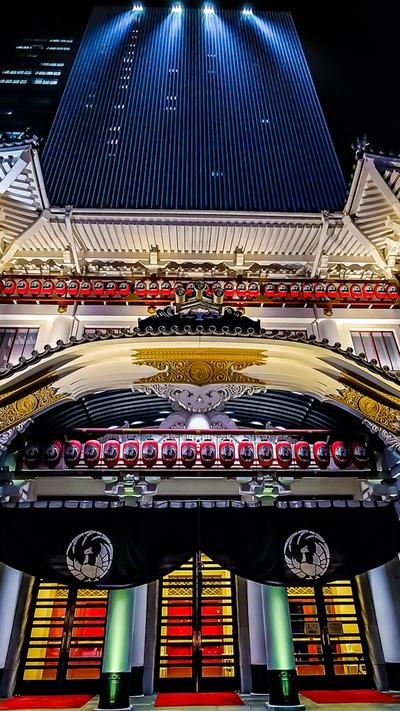
Kabuki is Also Taking on More Manga and Anime Adaptations
Manga, anime, and games have become symbols of the Cool Japan strategy. In the world of Kabuki, the popular manga One Piece by Oda Eiichiro was adapted for the stage. The production delivered spectacular staging that depicted protagonist Luffy's rubber-stretching arms and the battles between Devil Fruit ability users with thrilling intensity.
In addition, Shinsaku Kabuki: Final Fantasy X took the unconventional approach of performing not in a traditional Kabuki theater with its hanamichi runway, but in a venue with a rotating audience platform, using game footage to build the world of the production. By combining modern elements with Kabuki-style costumes and staging, the show appealed to both Kabuki fans and game fans alike.
Shinsaku Kabuki: Nausicaä of the Valley of the Wind was not based on the Studio Ghibli film but on the original manga drawn by Hayao Miyazaki. The production adapted the full story, including everything the film never covered, into an epic stage work that played to packed houses day after day.
Published Last Updated
Related Articles
Explore more articles on similar topics and deepen your knowledge of Japan.