Nihonbashi
日本橋
Things to Do in and Around Nihonbashi
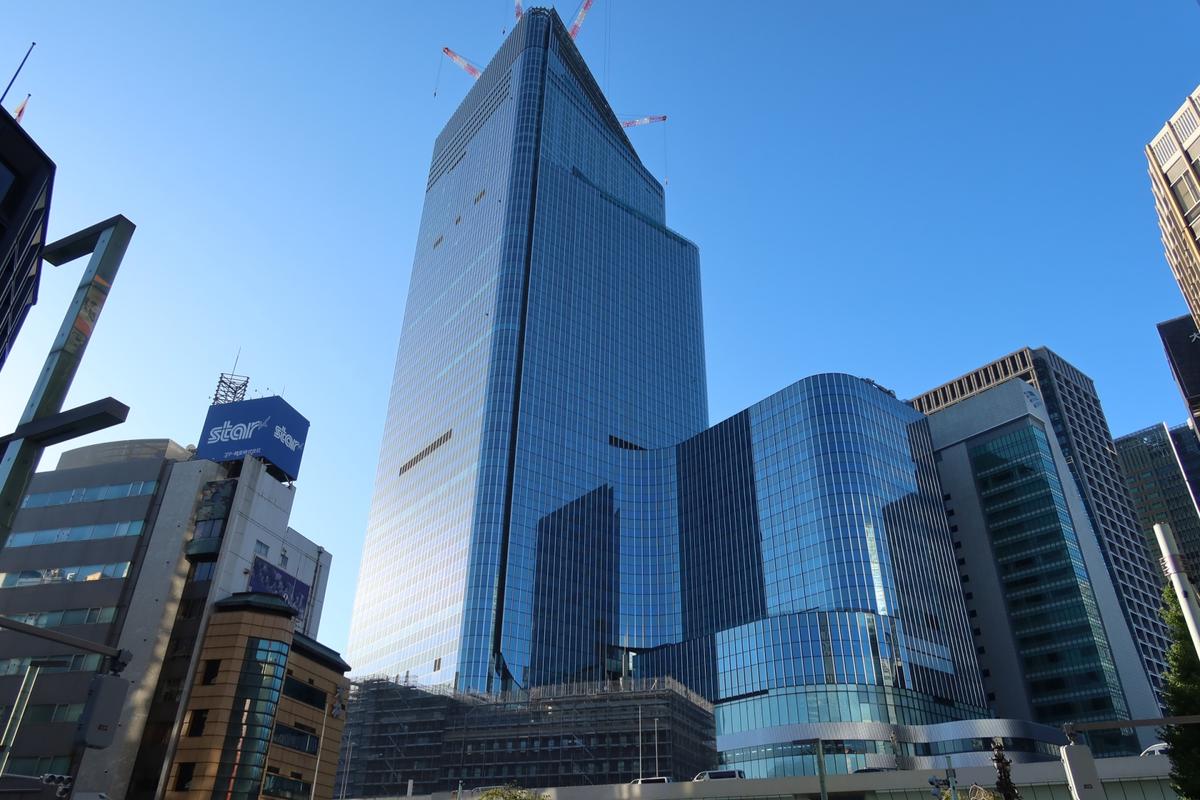
Nihonbashi is a historic commercial district located in Chuo Ward, Tokyo. It has flourished as the economic and cultural center of Japan since the Edo period, and its name is derived from the iconic stone bridge that served as the starting point for the five major roads. Today, it is characterized by a blend of tradition and modernity, and is known as a business hub with long-established stores, luxury department stores, and the headquarters of financial institutions.
Its convenient location within walking distance from Tokyo Station and excellent access to various subway lines make it a convenient base for sightseeing.
Places to visit in Nihonbashi
Where is Nihonbashi?
Nihonbashi is a historic district located in Chuo Ward, Tokyo, which has flourished as Japan's commercial center since the Edo period. Situated in the heart of Tokyo, it is adjacent to Kyobashi to the east, Kanda to the west, Yaesu and Ginza to the south, and Akihabara to the north.
Geographically, it is within walking distance from Tokyo Station, making it a very convenient location for business and tourism as it is in the center of the capital. Additionally, the Nihonbashi River flows through the district, and the bridge "Nihonbashi" that spans it was designated as the starting point of the five main roads during the Edo period.
Administratively, it belongs to Chuo Ward, Tokyo, and forms a wide area centered around Nihonbashi 1-chome to 3-chome, including surrounding town names such as Nihonbashi Honcho, Nihonbashi Muromachi, and Nihonbashi Kakigaracho. As a prime location in the city center, it features high-rise office buildings, department stores, and long-established stores, possessing a unique urban landscape where tradition and modernity are fused.


Getting Around
Access to Nihonbashi is very convenient. The nearest station is Nihonbashi Station on the Tokyo Metro Ginza Line, Tozai Line, and Toei Asakusa Line, and it is about a 10-minute walk from JR Tokyo Station. Additionally, Mitsukoshimae Station on the Tokyo Metro Hanzomon Line is also suitable for accessing the Nihonbashi area.
Moving within the Nihonbashi area is possible on foot, with historical buildings and landmarks relatively compactly gathered. There is also a walking route from Tokyo Station to Nihonbashi through Marunouchi Nakadori, allowing you to enjoy the atmosphere of the office district while moving.
Access by bus is also well-developed, with services like Toei Bus and Marunouchi Shuttle in operation. Moreover, water buses are also available, allowing access to the Nihonbashi area via the Sumida River and Nihonbashi River, which can also be enjoyed as a means of sightseeing.
For access by car, the Nihonbashi exit of the Shuto Expressway can be used, but parking needs to be secured as it is in the city center. There are several paid parking lots in the vicinity, but the use of public transportation is recommended.
Loading map...
About Nihonbashi
Nihonbashi has flourished as the commercial center of Japan since the Edo period. It is a bridge that became the starting point of the five highways built by Tokugawa Ieyasu in 1603, and the "Japan National Road Origin Marker" is installed there. It functioned as the center of Edo and is also known for the nearby fish market, the predecessor of the Tsukiji Market, which was called the "Kitchen of the Nation."
Long-established Stores and Tradition
The Nihonbashi area is home to many long-established stores with over 100 years of history. Shops like "Nihonbashi Kiya," founded in 1673, and "Ninben," founded in 1717, continue to operate from the Edo period. A unique commercial culture that blends traditional business spirit with modern business has taken root.
Architecture and Scenery
Around Nihonbashi, historical buildings coexist with modern architecture. The cityscape is characterized by the harmony of classical buildings like the Bank of Japan's main office and the Mitsui Main Building, designated as important cultural properties, with modern commercial facilities like COREDO. In 2018, a plan to move the Metropolitan Expressway underground was decided, and efforts are underway to restore the beautiful waterfront space of the past.
Nihonbashi Revitalization Project
The "Nihonbashi Revitalization Project," which began in the 2000s, is an initiative to revitalize the area while utilizing its history and tradition. City development is being promoted with the cooperation of the public and private sectors, including the development of the COREDO series, maintenance of Edo Sakura Street, and improvement of the water quality of the Nihonbashi River.
Fusion with Contemporary Art
Attempts to incorporate contemporary art into the traditional townscape are also attracting attention. Events that blend tradition and innovation, such as "Art Aquarium" and the "Nihonbashi Art Festival," are regularly held, becoming new venues for cultural transmission.
Gourmet Sanctuary
Nihonbashi is also a gourmet spot where famous traditional Japanese cuisine such as Edo-style sushi, tempura, and soba gather. From Michelin-starred luxury restaurants to casual long-established stores, a variety of price-range eateries line the streets. Especially popular with tourists is the food walk that combines the "Nihonbashi Shichifukujin Meguri" with tasting the flavors of long-established stores.
Business Hub
Nihonbashi, which has been a commercial center since the Edo period, is still a business hub where many company headquarters gather. It has a deep connection with the financial industry, with the Bank of Japan's main office and the Tokyo Stock Exchange nearby. It is a place where cutting-edge business is developed while inheriting the spirit of traditional merchants.