Inuyama
犬山市
Things to Do in and Around Inuyama
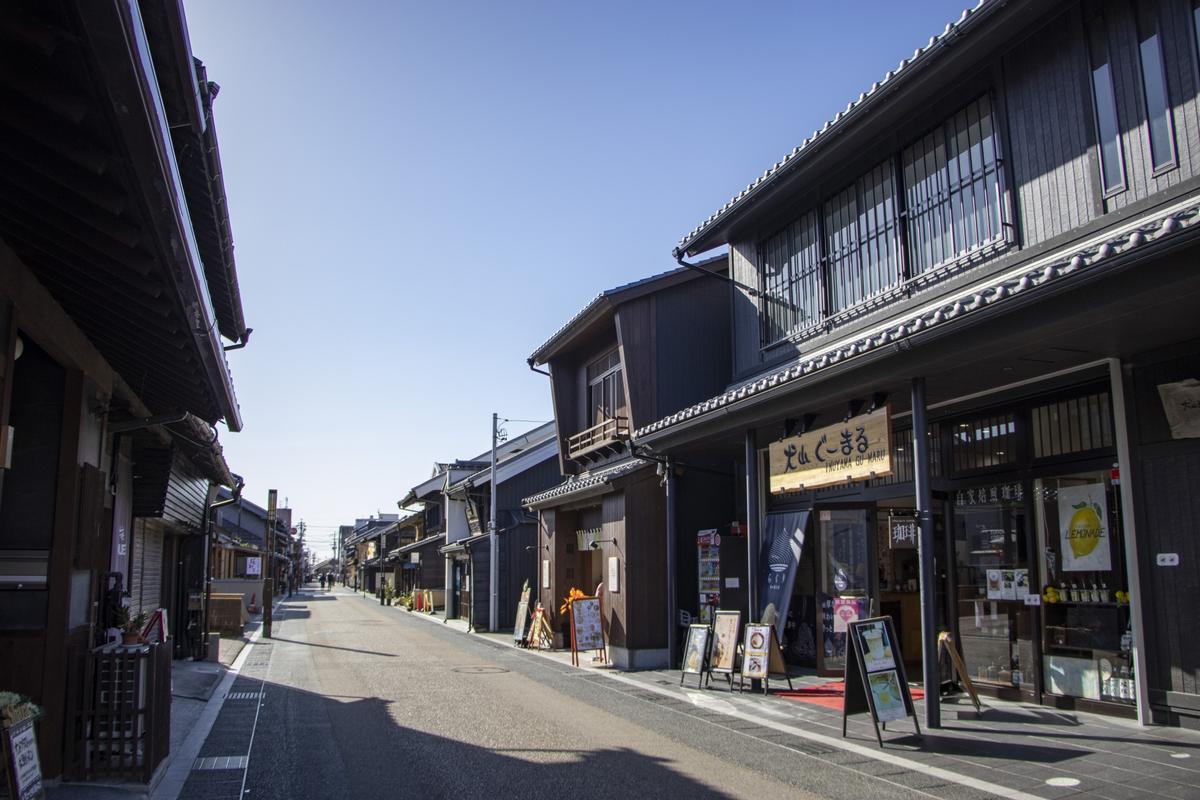
Located in the northern part of Aichi Prefecture, Inuyama City is a historic town where the atmosphere of a castle town remains, centered around the National Treasure Inuyama Castle. The scenery along the Kiso River is also beautiful, and visitors can enjoy cherry blossoms in spring and autumn foliage in fall.
Places to visit in Inuyama
Where is Inuyama?
Inuyama City is located in the northwestern part of Aichi Prefecture, bordering Gifu Prefecture. It lies about 25 km north of Nagoya City, roughly a 30-minute train ride away, making it a convenient destination for day trips. To the east is Komaki City, while to the south are Fusō Town and Ōguchi Town, and across the Kiso River to the west is Kakamigahara City in Gifu Prefecture. Situated at the northern edge of the Nōbi Plain, the city is also characterized by its hilly areas and the rich natural scenery that spreads along the rivers.


Getting Around
For getting to Inuyama City, it is convenient to use the Meitetsu Inuyama Line from Nagoya Station. It takes about 25 minutes by limited express and about 30 minutes by express from Meitetsu Nagoya Station to Inuyama Station. Inuyama Station serves as the base for sightseeing in the city, and both the National Treasure Inuyama Castle and the castle town are within walking distance. From Chubu Centrair International Airport (Centrair), you can also access Inuyama with one transfer on the Meitetsu Line in about one hour. Getting around within the city is mainly on foot or by local bus.
Loading map...
About Inuyama
National Treasure Inuyama Castle and the Castle Town’s History
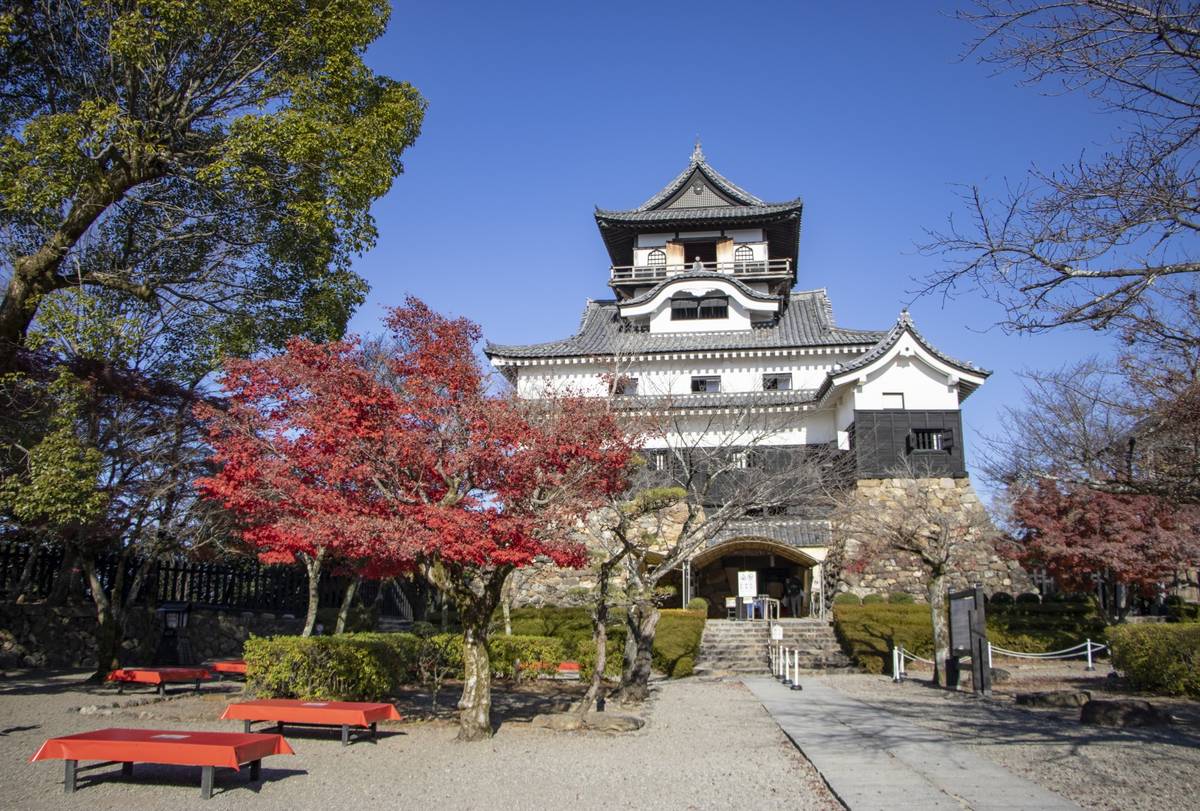
Inuyama Castle / Photo AC
In talking about Inuyama City, you cannot leave out Inuyama Castle, which has been designated a National Treasure. It was built in 1537 by Oda Nobuyasu, an uncle of Oda Nobunaga, and is known as one of the oldest surviving wooden castle keeps in Japan. From the keep, you can enjoy a sweeping view of the Kiso River and the Nōbi Plain, and its scenery is so impressive that the castle is also called the “White Emperor Castle.” The name likens its beauty to the famous Chinese castle that appears in a poem by Li Bai.
The castle town still preserves the town layout from the Edo period, and old townhouses have been repurposed into cafés and variety shops. It is also popular as a place for strolling and snacking, where you can casually enjoy local specialties such as gohei-mochi and dengaku.
Inuyama Festival: UNESCO Intangible Cultural Heritage Float Event
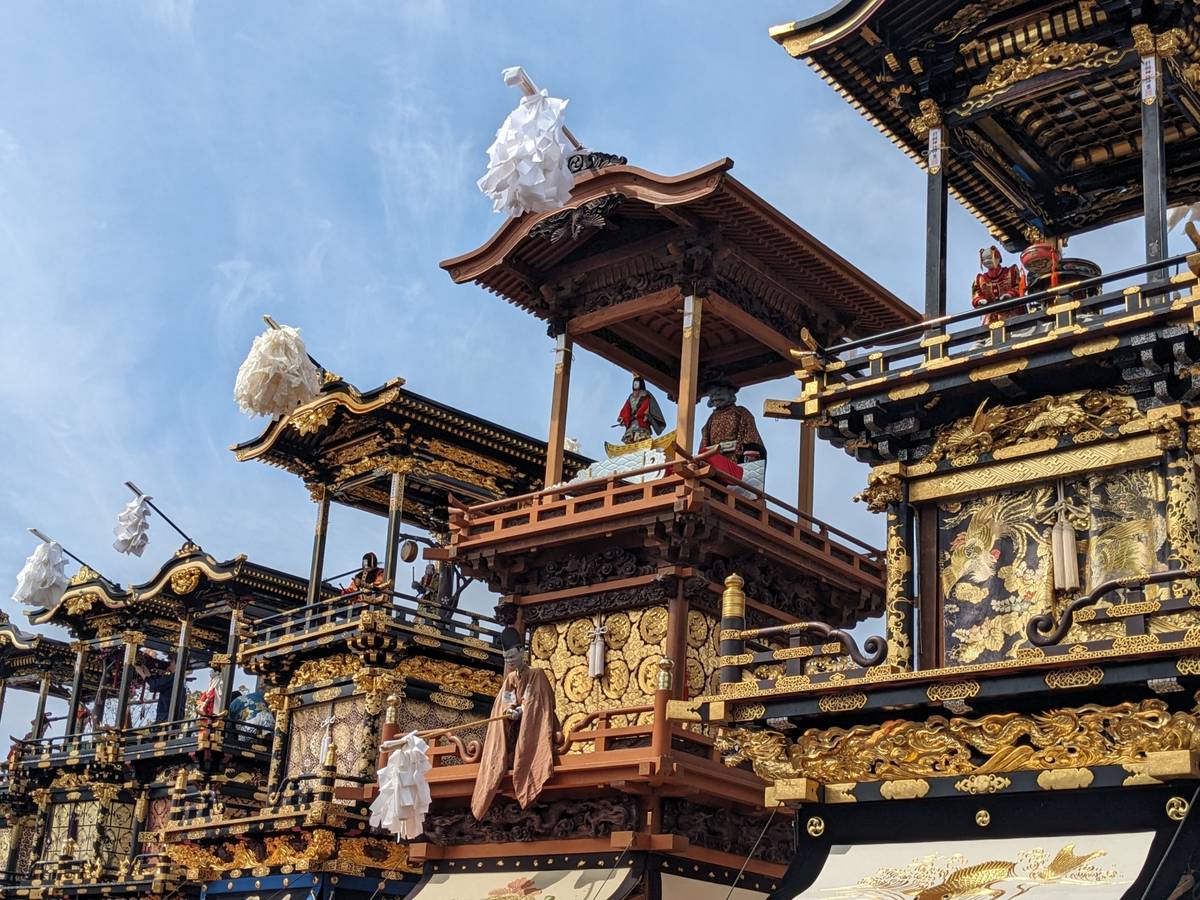
Inuyama Festival / Photo AC
Held annually on the first Saturday and Sunday of April, the Inuyama Festival was inscribed on UNESCO’s Intangible Cultural Heritage list in 2016. Thirteen festival floats, called yama, parade through the castle town, and performances featuring mechanical dolls (karakuri ningyō) are dedicated.
The nighttime events are particularly spectacular. Each float is lit with as many as 365 lanterns, and the sight of them floating against the spring night sky is truly magical. It is a precious opportunity to experience up close the traditional skills and passion that local people have passed down through the generations.
Kiso River Ukai: A 1,300-Year-Old Traditional Fishing Method
In Inuyama, from June to October every year, you can watch cormorant fishing (ukai) on the Kiso River. Ukai is an ancient Japanese fishing method in which trained waterbirds called cormorants (u) are used to catch sweetfish (ayu).
From the perspective of animal welfare, it is sometimes criticized, but the ropes tying the cormorants are not pulled tight. The smaller fish are swallowed by the birds, while only the larger fish are taken by humans.
You can board a roofed pleasure boat and enjoy food and drinks while watching the fishing unfold on the river surface illuminated by bonfires.
Meiji Mura Museum: Time Travel to the Meiji Era
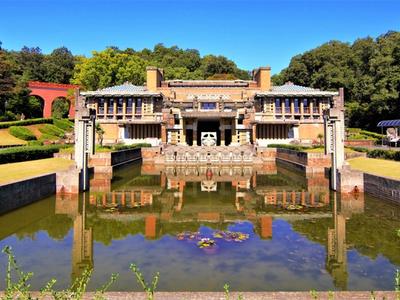
Within Inuyama City is the open-air museum “Meiji Mura Museum,” where buildings from the Meiji era (1868–1912) have been relocated and preserved. The grounds are vast, covering about 1,000,000 square meters, and more than 60 buildings stand there, including nationally designated Important Cultural Properties such as the Imperial Hotel Central Entrance and St. John’s Church.
Inside the park, you can do more than just look: you can dress in period costumes for photos, and ride a steam locomotive or the Kyoto City streetcar. It is a fulfilling experience-based facility not only for those interested in architecture and history, but also for anyone who wants to enjoy a stroll in a retro atmosphere.
Little World: Tour World Cultures in a Single Day
Also located in Inuyama City, the “Little World Museum of Man” is an open-air ethnological museum that introduces traditional houses and everyday cultures from around the world. It recreates buildings from about 23 countries and regions—including Africa, Europe, Asia, and South America—and visitors can try on traditional costumes from various countries for commemorative photos.
There are also restaurants and food stands where you can taste cuisines from around the world, allowing you to feel as if you have traveled around the globe in a single day. It is a unique spot where you can experience different cultures while staying in Japan.