Obanazawa
尾花沢市
Things to Do in and Around Obanazawa
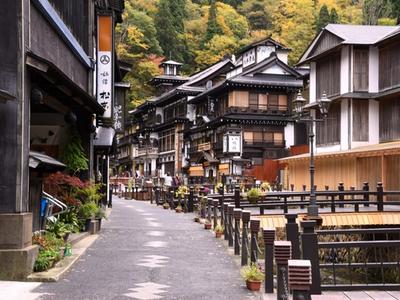
Located in the northeastern part of Yamagata Prefecture, Obanazawa is a popular area known for Ginzan Onsen, an atmospheric hot spring town. The scenery of gas lamps and wooden inns lined up in a row evokes the romantic spirit of the Taisho era, making you feel as if you have slipped back in time. In summer, the area is also famous as a major production region for watermelons, while in winter you can enjoy snowy landscapes characteristic of a heavy snowfall area.
Places to visit in Obanazawa
Where is Obanazawa?
Obanazawa is located in the northeastern part of Yamagata Prefecture and belongs to the Murayama region. To the west it borders Shinjo City, and to the south it is adjacent to Murayama City and Higashine City, while to the east a mountainous area stretches along the prefectural boundary with Miyagi Prefecture. It lies about 50 km north of Yamagata City, roughly an hour away by car, and is also known as the gateway to Ginzan Onsen.


Getting Around
The nearest station to Obanazawa is Ōishida Station on the Yamagata Shinkansen. It takes about three hours from Tokyo Station. From Ōishida Station, you can access various parts of the city by local bus or taxi. In winter there is heavy snowfall, so if you use a rental car, studless winter tires are essential, and if you are not used to driving on snowy roads, it is dangerous and therefore not recommended. To reach Ginzan Onsen, take the “Hanagasa Bus” from Ōishida Station; it takes about 40 minutes.
Loading map...
About Obanazawa
Ginzan Onsen: Step into a Taisho Romantic World
If you visit Obanazawa, Ginzan Onsen is an absolute must. This hot spring town, which once flourished thanks to silver mining, is lined with wooden inns from the Taisho era along the riverside, creating a streetscape that feels as if you have slipped back in time. The winter nights are especially breathtaking, with snowy scenery illuminated by gas lamps. It is even rumored to be one of the models for the setting of Studio Ghibli’s film Spirited Away, and its nostalgic atmosphere is truly irresistible. Visitors come from all over Japan and abroad.
There are facilities that offer day-trip bathing, so you can enjoy the atmosphere of the hot spring town even without staying overnight. How about taking a break at a footbath while gazing at the retro townscape?
Obanazawa Watermelons: Japan’s Top Producer of This Summer Treat
Obanazawa City is actually Japan’s number one producer of watermelons. The basin climate, with its large temperature differences between day and night, helps grow watermelons with a strong sweetness. The peak season is from July to August, and if you visit during this period, you can buy fresh watermelons at roadside stations and direct-from-farm stands.
“Obanazawa Watermelon” is also known as a brand, characterized by its crisp, crunchy texture and rich sweetness. Locally, there are shops that offer sweets and juices made with watermelon, adding even more enjoyment to summer travels.
Birthplace of the Hanagasa Festival
The “Hanagasa Festival,” one of the representative summer festivals of Yamagata, actually began in Obanazawa. Its origins are said to lie in the “Hanagasa Ondo,” a song once sung during farm work. Every August, a large-scale parade is held in Yamagata City, but in Obanazawa as well, events are sometimes held where you can experience the local style of Hanagasa dance.
The sight of dancers holding colorful flower hats is the very image of a traditional Japanese summer festival. If the timing works out, be sure to experience the authentic atmosphere at its place of origin.
A Place Connected to Basho: Tracing the Footsteps of The Narrow Road to the Deep North
Obanazawa is also known as a place visited by Matsuo Basho, one of Japan’s most famous haiku poets (haiku are a uniquely Japanese form of poetry with specific structural rules), during his journey described in The Narrow Road to the Deep North. Basho stayed for about ten days with the local haiku poet Seifu Suzuki and composed several poems here. Within the city, you can find historical sites and stone monuments related to Basho, making it an ideal place for a literary stroll.
Following the paths once walked by travelers in the Edo period, while letting your thoughts drift to the scenery of those days, is a pleasure in itself.