Ukyo
右京区
Things to Do in and Around Ukyo
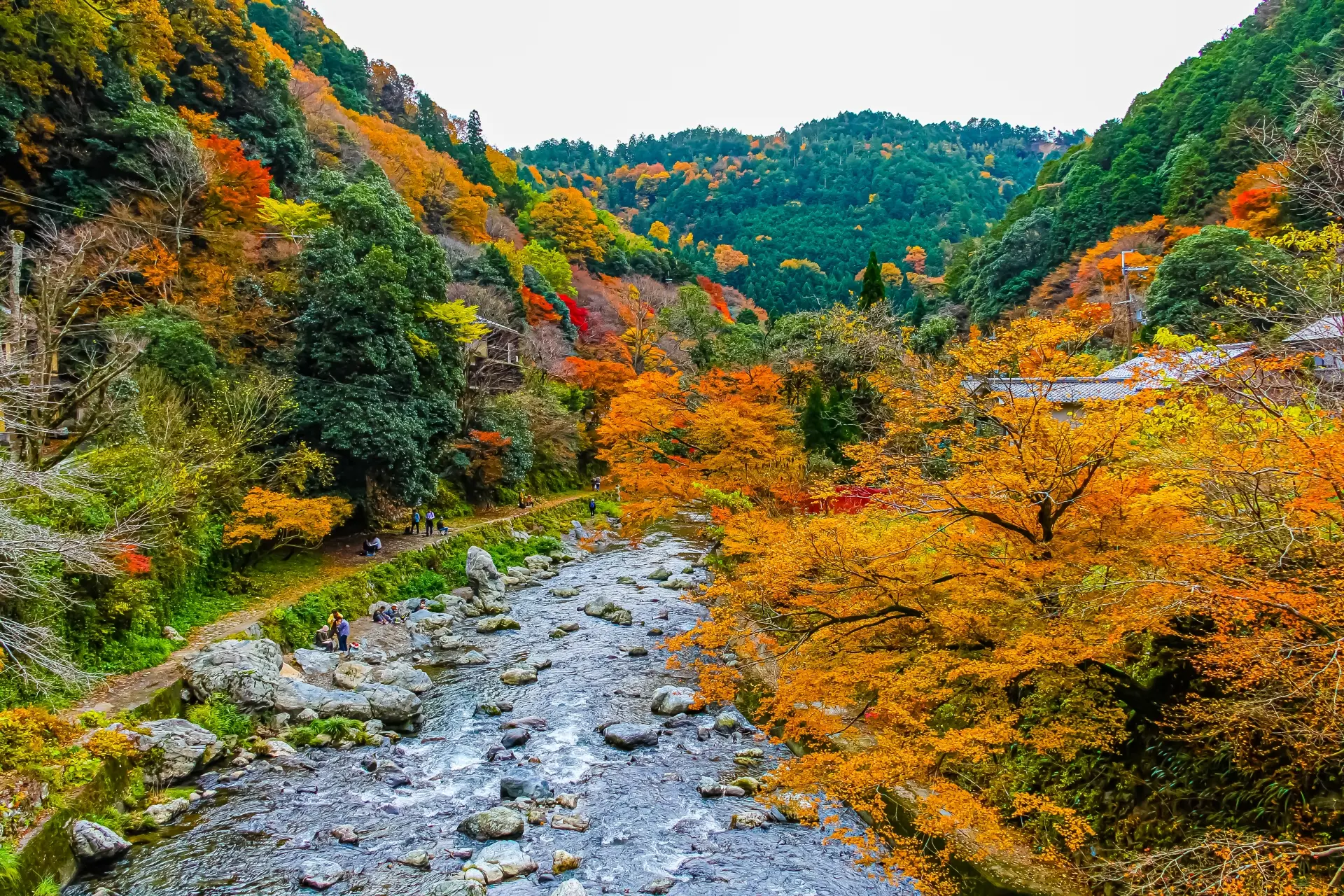
An area where rich nature and historical sites coexist. It includes famous tourist destinations representing Kyoto, such as Arashiyama and Sagano, with many landmarks like the Togetsukyo Bridge, Tenryu-ji Temple, and the Bamboo Grove Path scattered throughout. You can enjoy the natural beauty of each season with activities like Hozugawa River Boat Ride, and there are many facilities where you can experience traditional Japanese culture, making it an ideal area as a base for sightseeing in Kyoto.
Where is Ukyo?
Ukyo-ku is located in the northwest part of Kyoto City and is one of the 11 administrative wards that make up Kyoto City. It covers an area of approximately 291.95 square kilometers, making it the largest ward in Kyoto City in terms of area. To the east, it borders Kamigyo-ku, Nakagyo-ku, and Shimogyo-ku; to the north, it borders Sakyo-ku; to the south, it borders Nishikyo-ku; and to the west, it borders other municipalities within Kyoto Prefecture, such as Kameoka City and Nantan City.
Geographically, it extends from the urban area in the east to the mountainous area in the west, featuring diverse terrain from the plains that include tourist attractions like Arashiyama and Sagano, to the mountainous regions of Kitayama and Nishiyama that surround the Kyoto Basin. The Katsura River (Oigawa) and Hozu River flowing through the ward form a rich natural landscape.
The climate is characterized by the inland climate typical of the Kyoto Basin, with hot and humid summers and cold winters. The mountainous areas are cooler than the urban areas, and snowfall can be seen in winter. The changes of the four seasons are distinct, and the ward is bustling with many tourists, especially during the cherry blossom season in spring and the autumn leaves season in fall.


Getting Around
Access to Ukyo-ku is relatively easy using the main transportation networks within Kyoto City. From JR Kyoto Station, it is common to use city buses or the Kyoto City Subway. Especially for the Arashiyama area, the nearest stations are JR Saga-Arashiyama Station (on the JR Sanin Main Line), Hankyu Railway Arashiyama Station, and Keifuku Electric Railroad Arashiyama Station.
From Kyoto Station to the Saga-Arashiyama area, it takes about 15 minutes by the JR Sagano Line (Sanin Main Line) and about 45 minutes by city bus. Additionally, a popular route from the city center is to take the Randen from Shijo-Omiya towards Arashiyama.
For getting around within the ward, rental bicycles are also a convenient option. The Arashiyama and Sagano areas are particularly suitable for cycling, with many rental bicycle shops scattered throughout. Furthermore, there are ample tourist transportation options such as the Hozugawa River Boat Ride and the Sagano Scenic Railway, allowing you to enjoy nature while traveling.
To the northern area of Ukyo-ku (towards Takao and Keihoku), city buses operate from Kyoto Station and Shijo-Omiya, but since the number of buses is limited, it is recommended to check the timetable in advance.
Loading map...
About Ukyo
Nature and History in Harmony
Ukyo Ward is known as an area rich in nature within Kyoto City. While the eastern part is urban, the western part is a mountainous region famous for Kitayama cedar, offering beautiful seasonal landscapes. Especially the Arashiyama and Sagano areas are representative tourist destinations in Kyoto, attracting many visitors from both Japan and abroad.
Treasure Trove of Cultural Heritage
Ukyo Ward is home to numerous temples, including the World Heritage Site Tenryu-ji, as well as Ninna-ji, Ryoan-ji, and Jojakko-ji. Particularly, the rock garden of Ryoan-ji is world-famous as a masterpiece of "kare-sansui" (dry landscape) and symbolizes Japanese Zen culture.
Film and Anime Locations
The beautiful scenery of Ukyo Ward has been chosen as the setting for many films and anime. The bamboo grove in Arashiyama is said to have influenced the world of the anime "Spirited Away." Additionally, the landscapes of Ukyo Ward are depicted in Kyoto Animation's works "Hyouka" and "Sound! Euphonium," making it a pilgrimage spot for anime fans.
Preservation of Traditional Crafts
Ukyo Ward is an area where Kyoto's traditional crafts such as Nishijin weaving and Kyo-yuzen are still inherited. Especially Sagano is known as the birthplace of "Sagamen," a type of Noh mask, with traditional techniques passed down since the Muromachi period. There are also workshops where visitors can experience traditional crafts, allowing tourists to engage with Japanese traditional culture.
Birthplace of Yudofu
"Yudofu Takemura" in Sagano, Ukyo Ward, is known as the birthplace of yudofu. This representative Kyoto vegetarian dish is nurtured by the pure water and high-quality tofu of the region. Many yudofu restaurants line the area, making it a popular gourmet spot for tourists.
Riverbed Dining in Arashiyama
In summer, "kawadoko" dining platforms are set up along the Hozu River, cherished as a summer tradition in Kyoto. Enjoying seasonal dishes while listening to the murmuring of the river offers a luxurious dining experience unique to Ukyo Ward.
Pioneer of Ecotourism
Ukyo Ward actively promotes ecotourism initiatives that utilize its rich natural environment. Activities such as Hozu River rafting and the Arashiyama trolley train are encouraged as forms of tourism that coexist with nature. Recently, it has gained attention as a model case for sustainable tourism both domestically and internationally.
Hub of Art and Culture
Ukyo Ward is home to Kyoto University of the Arts (formerly Kyoto University of Art and Design), producing many artists and cultural figures. Cultural facilities such as the Kyoto Prefectural Botanical Garden and the Kyoto Prefectural Domoto Insho Museum of Fine Arts are also abundant, contributing to the dissemination of Kyoto's culture, which blends tradition and innovation.
Ukyo Ward is an attractive area that actively incorporates new cultures and initiatives while preserving the traditional charm of Kyoto. Beyond being a tourist attraction, it continues to captivate many people as a place where the lives and culture of its residents thrive.