Shimogyo
下京区
Things to Do in and Around Shimogyo
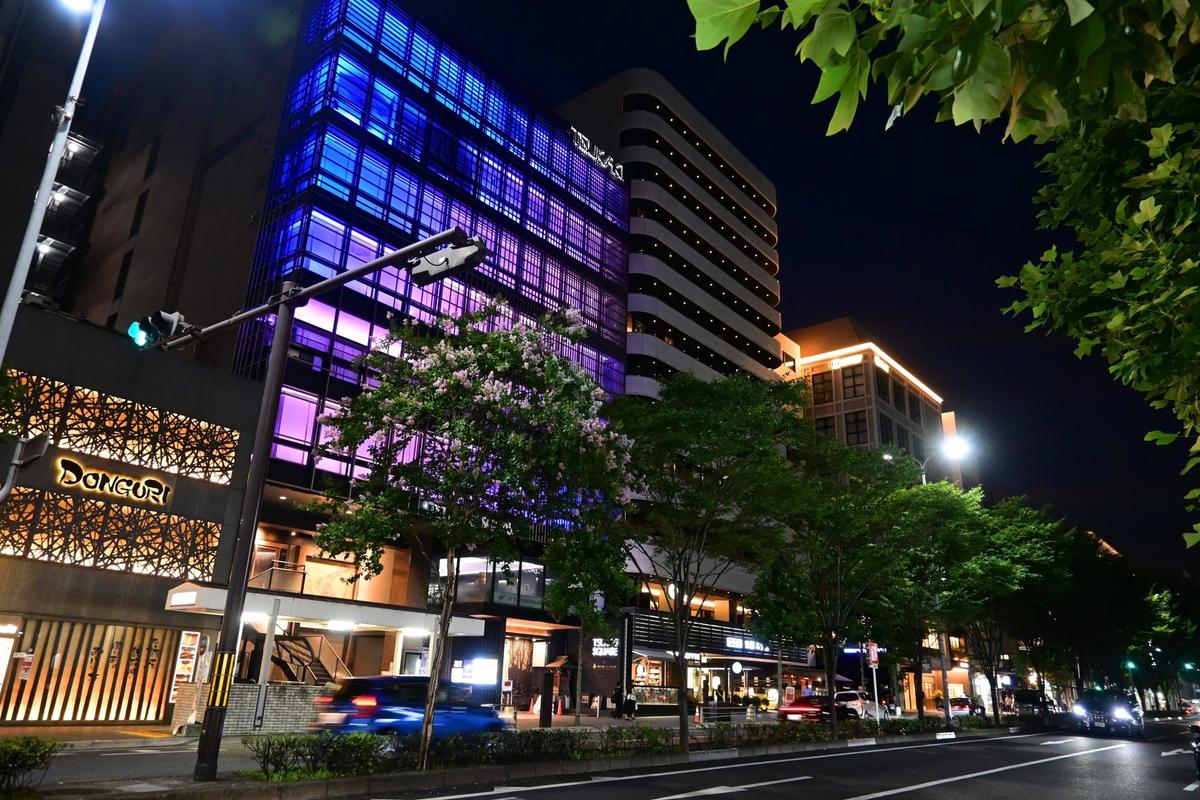
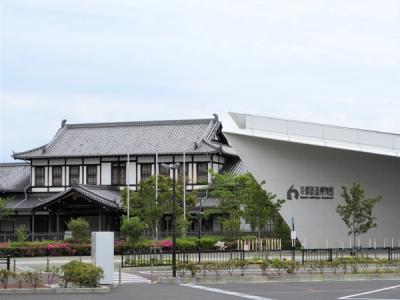
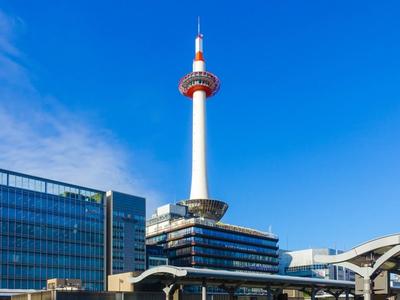
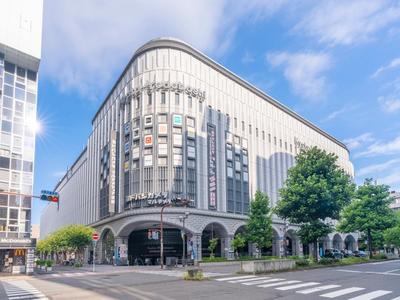
Shimogyo Ward is located in the center of Kyoto City, serving as a key transportation hub with Kyoto Station and Kyoto Tower. It is an area where tradition and modernity blend, featuring historical temples such as Higashi Honganji and Nishi Honganji alongside large commercial facilities. Additionally, there are many shopping and gourmet spots like Nishiki Market and Kyoto Station Building, making it an ideal area as a base for tourism.
Places to visit in Shimogyo
Where is Shimogyo?
Shimogyo Ward is located in the center of Kyoto City and is one of the 11 administrative wards that make up Kyoto City. It is bordered by Nakagyo Ward to the north, Higashiyama Ward to the east, Minami Ward to the south, and Ukyo Ward to the west. It is a key transportation hub that includes Kyoto Station, and major streets of Kyoto such as Shijo Street and Karasuma Street pass through it.
Historically, it flourished as a commercial center and still functions as the commercial and economic hub of Kyoto today. Within walking distance from Kyoto Station are historical buildings such as Higashi Honganji and Nishi Honganji, making it an area where tradition and modernity blend. With an area of about 6.8 square kilometers, it is relatively small within Kyoto City, but it has a high population density and is concentrated with many tourist spots and commercial facilities.


Getting Around
Access to Shimogyo Ward is very convenient. JR Kyoto Station is located within the ward, and it is served by the Shinkansen, conventional lines, and Kintetsu trains. The Kyoto City Subway Karasuma Line also runs from Kyoto Station through Shijo Station, making it convenient for getting around the ward. The city bus network is also well-developed, providing easy access to major tourist destinations.
The main stations within the ward include JR Kyoto Station, Hankyu Railway's Kawaramachi Station, and Keihan Railway's Gion-Shijo Station. These stations serve as gateways to downtown areas and tourist spots. Walking is also relatively easy, thanks to the grid-like road network, which facilitates movement between tourist attractions.
Loading map...
About Shimogyo
Shimogyo Ward is particularly historically important within Kyoto, having developed as the commercial center of Kyoto since the Heian period. During the Muromachi period, the shogunate was established here, making it a political hub as well. Even today, major streets such as Gojo Street and Shijo Street are lined with long-established shops from the Edo period, creating a unique atmosphere where tradition and modernity blend.
Hub of Traditional Industries
Shimogyo Ward is also known as a production area for traditional crafts such as Nishijin weaving and Kyo Yuzen. Particularly around Muromachi Street, wholesale businesses related to traditional Japanese clothing are concentrated, making it a center of 'kimono' culture. There are also facilities where you can observe the techniques of Kyoto's traditional industries, providing opportunities to experience Japanese traditional crafts.
Culinary Culture Hub
Shimogyo Ward is also a representative place for Kyoto's culinary culture. Especially, Nishiki Market, known as "Kyoto's Kitchen," has a history of over 400 years as a market gathering Kyoto's ingredients and processed products. There are also many long-established Kyoto restaurants and famous Kyoto confectionery shops, making it a treasure trove of food loved by both tourists and locals.
Festivals and Annual Events
In Shimogyo Ward, the "Gion Festival," one of Kyoto's three major festivals, is held every July. The Yamahoko Junko, in particular, takes place centered around Shijo Street in Shimogyo Ward, and the sight of the luxurious floats parading through the city is breathtaking. Additionally, many seasonal traditional events are held, such as "Hatsumode" in the New Year and "Rokudo Mairi" in summer.
Fusion with Modern Culture
In addition to its historical aspects, Shimogyo Ward also serves as a hub for modern culture. The area around Kyoto Station is lined with modern buildings, with commercial facilities and hotels concentrated there. Galleries and creative spaces by young artists are also increasing, making it a cultural hub where tradition and innovation coexist.