Fushimi
伏見区
Things to Do in and Around Fushimi
This is the southern gateway to Kyoto, home to the globally popular Fushimi Inari Taisha. It retains the historical scenery of a former castle town and port town, and is also famous as one of Japan's leading "sake towns" blessed with abundant groundwater, allowing visitors to enjoy both historical exploration and fine sake.
Places to visit in Fushimi
Where is Fushimi?
Located in the southern part of Kyoto City, it has the largest population among the city's 11 wards. To the north, it borders Shimogyo Ward and Higashiyama Ward, where Kyoto Station is located, and to the south, it borders Uji City, famous for Uji tea. It is situated at the confluence of several rivers, including the Katsura River, Uji River, and Kamo River, and has historically prospered as a key point for water transportation connecting Kyoto and Osaka.


Getting Around
From Kyoto Station, it is very smooth to reach "Inari Station" in about 5 minutes via the JR Nara Line. Additionally, the Keihan Main Line and Kintetsu Kyoto Line run through the ward, providing excellent access from the Osaka area. The main tourist centers are Keihan's "Fushimi Inari Station" and "Chushojima Station", as well as Kintetsu's "Momoyama Goryo-mae Station", from which you can explore the area.
Loading map...
About Fushimi
The vibrant red of Fushimi Inari Taisha is striking in this area, but beyond that, a diverse array of attractions unfolds. Step into an alley, and the atmosphere of an old port town and the faint scent of sake invite a sense of travel. This town, where the dignity of Toyotomi Hideyoshi's castle town and the fervor of the end of the Edo period coexist, offers deep discoveries the more you walk. We invite you to explore the profound world of Fushimi, woven with history, water, and sake, beyond just visiting tourist spots.
The Thousand Torii Gates of Fushimi Inari Taisha
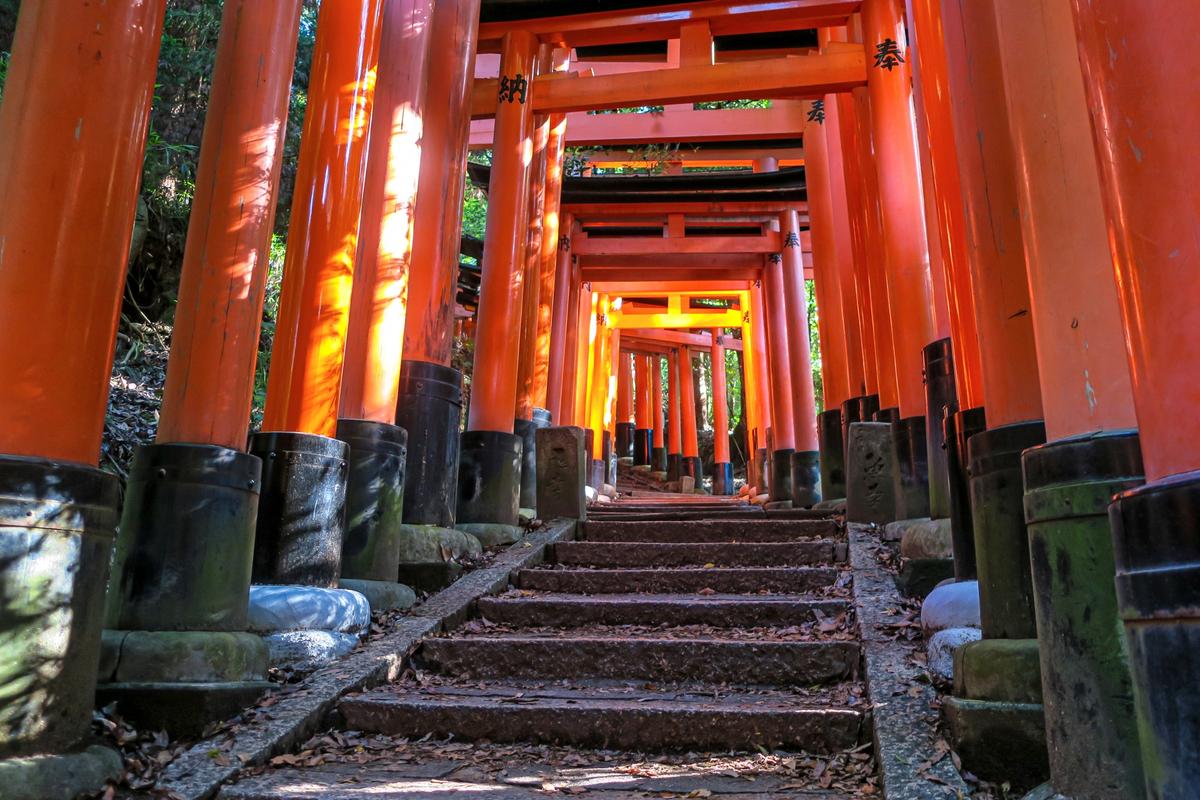
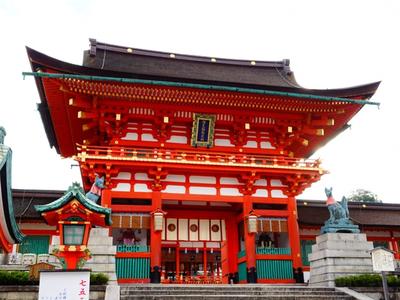
The symbol of Fushimi Ward is "Fushimi Inari Taisha," the head shrine of approximately 30,000 Inari shrines nationwide. Affectionately known as "Oinari-san," it is revered as the god of abundant harvests and prosperous business. Particularly impressive is the "Senbon Torii," where vermilion torii gates form a tunnel-like path, captivating tourists worldwide with its enchanting scenery. The "Oyama Meguri" tour around the towering Inari Mountain is also popular, allowing visitors to feel Kyoto's nature and mystical atmosphere.
Fushimi: A Premier Sake Region Born from Quality Water
Fushimi has long been blessed with high-quality groundwater, known as "Fushimi" (伏水). Sake brewing developed using this fine water and quality rice, making it one of Japan's two premier sake regions alongside Nada in Hyogo. Famous sake manufacturers like "Gekkeikan" and "Kizakura" have their headquarters here, and the area from Chushojima to Momoyama features a charming landscape of white-walled storehouses and burnt cedar walls. Many breweries offer sake tasting and tours, and there are restaurants and museums in renovated old breweries where you can deeply experience sake culture.
The Historical Stage of the Late Edo Period and Sakamoto Ryoma
Fushimi developed when Toyotomi Hideyoshi built "Fushimi Castle" and organized the castle town, but it was also an important stage for the patriots of the late Edo period. Particularly famous is the "Teradaya Incident," where Sakamoto Ryoma was attacked at the boat inn "Teradaya." The current building is a reconstruction, but it remains a popular tourist spot conveying the turbulent history of that time. The nearby shopping street is named "Ryoma Street Shopping District," where you can enjoy shopping in a retro atmosphere.
Riverside Scenery and the Jikkokubune Boat
The "Jikkokubune" sightseeing boat leisurely cruising along the Horikawa River offers a sense of Fushimi's history, once thriving with water transport. The riverbanks lined with sake breweries continue with willow trees, and from the boat, you can enjoy beautiful seasonal scenery: cherry blossoms in spring, hydrangeas in summer, and autumn leaves in fall. The view of the sake breweries from the water offers a different charm than from land, allowing for an elegant time as if slipping back to the Edo period.