Why Chocolate Defines Valentine’s Day in Japan: Traditions, Trends, and Events
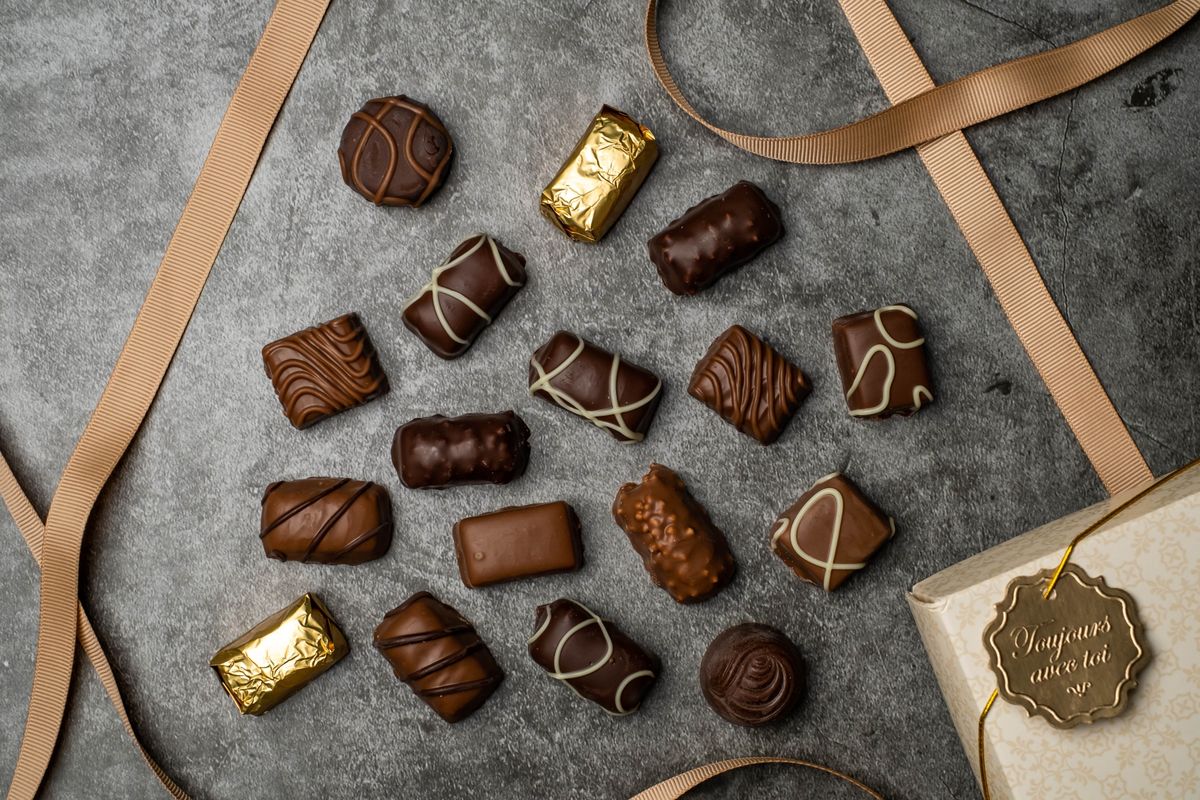
Globally, Valentine's Day is known as a Christian holiday—a day to celebrate love with family and romantic partners. However, in Japan, which is not a traditionally Christian country, the day has taken root as the day women give chocolate to men. Today, it has evolved into a lively celebration known as a festival for chocolatiers and a popular seasonal event for fans supporting their favorite idols/anime/manga characters (Oshi-katsu), attracting widespread enthusiasm. In this article, we explore the uniquely Japanese evolution of Valentine’s Day and how it has developed its own distinctive charm.
A Day to Give Chocolate
In Japan, it became established that Valentine's Day is the day a woman gives chocolate to the man she likes. This is said to have originated in the 1950s through the planning and promotions of confectionery manufacturers looking to boost sales during the slow month of February.
During that era, there was a strong social expectation that men should be the ones to confess their feelings, and it was uncommon for women to do so. The introduction of an event where women give chocolate to men as presents spread because it provided women with the perfect excuse to muster their courage.
While it was originally seen as an event for married couples and lovers, by around 1980, the culture had taken root among students as well. The practice of fans sending chocolate to popular idols, athletes, and even anime or game characters also began to increase.
The Birth of Chocolate-Related Terminology
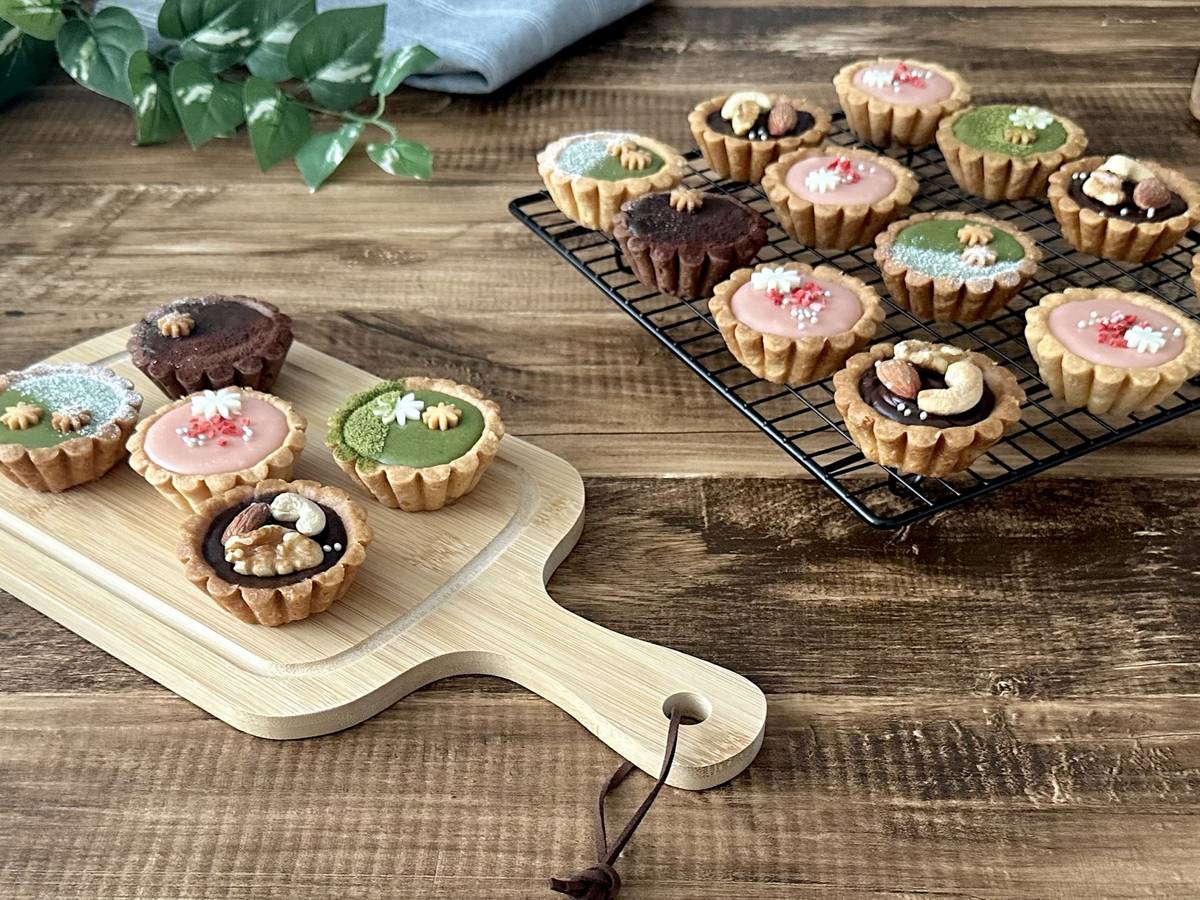
Handmade Chocolate tart / Photo AC
As a result, chocolate sales skyrocket from January through February. Nowadays, the atmosphere feels less like a "Day of Love" and more like a "Day of Chocolate."
Honmei Choco (True-Love Chocolate)
Chocolate given to a romantic partner or someone you have feelings for.
Among young people, it is common for conversations to heat up about who they will give their Honmei Choco to, as well as the other types of chocolate we will discuss later.
Generally, Honmei Choco consists of heartfelt handmade treats or high-quality, beautifully wrapped chocolates.
Giri Choco (Obligatory Chocolate)
Chocolate given to acquaintances, colleagues, or classmates.
While the word Giri (duty/obligation) implies social etiquette that should be upheld, in this context, it strongly carries the nuance of "giving it out of social necessity."
Because it can sound a bit dismissive, people rarely tell the recipient that it is Giri Choco. However, between friends of the opposite sex, it is often explicitly declared as such to avoid any romantic misunderstandings.
Tomo Choco (Friendship Chocolate)
Chocolate exchanged between friends (primarily among women) as an expression of friendship. There are no romantic feelings involved; the purpose is to give a gift as a token of friendship.
Gyaku Choco (Reverse Chocolate)
This refers to chocolate given by a man to a woman. While the concept of this act being "reverse" shouldn't technically exist, it is expressed this way because the idea of "Valentine's Day = women giving chocolate to men" is so deeply ingrained in Japan.
The Chocolate Industry Expands Its Variety
During the Valentine's season, store shelves are lined with a diverse array of chocolates, ranging from high-end brands for Honmei gifts to affordable bulk packs for Giri Choco, as well as DIY kits and ingredients for handmade treats.
However, since Giri Choco in the workplace can feel like a chore for both the giver and the receiver, the number of people who view it negatively is increasing. Instead, the number of people who buy chocolate for themselves is increasing yearly. With major department store events featuring world-renowned pâtissiers and limited-edition items, it has become the biggest annual festival for chocolate fans.
"White Day": Returning the Valentine’s Favor
White Day is a uniquely Japanese custom held on March 14th, exactly one month after Valentine’s Day. It is the day when men who received chocolate on Valentine’s Day give a return gift to the women.
While Valentine’s Day is centered on chocolate, White Day gifts cover a broader range, including various sweets and small gifts like accessories or lifestyle goods that women might enjoy.
During Japan's bubble economy era, the concept of "Sanbai-gaeshi" (returning three times the value) became rooted. It was common for female employees to distribute chocolate to male colleagues specifically to receive expensive return gifts. Because this eventually became a burden for both parties, the culture of distributing Giri Choco in the office is fading in modern times.
However, White Day itself remains established among the Japanese public as another "Day of Love" separate from Valentine’s.
Valentine’s Fairs: A Gathering of the World's Best Chocolate
Across Japan, Valentine’s Fairs are held from January to February. In addition to boxed sets perfect for gifting, you’ll find cakes, ice cream, and specialty drinks, often resulting in long queues at popular shops. At major department stores, customers even line up before opening just to get numbered entry tickets.
Note: Information as of January 2026.
Salon du Chocolat (Isetan Shinjuku etc.)
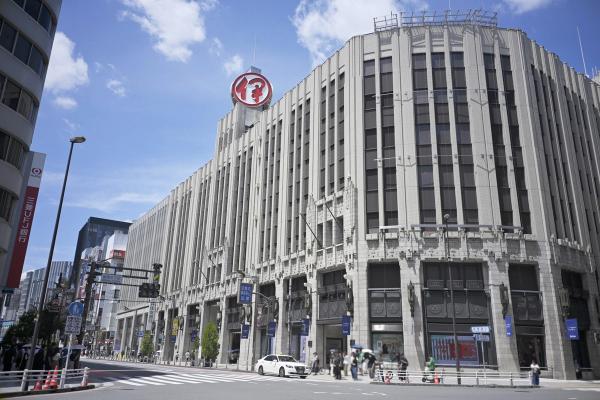
Started in Paris in 1995, this is the world's largest chocolate festival. It was first held in Japan in 2002 by the venerable department store Isetan and has become a massive event running for over 20 years. It is held at various Isetan Group stores nationwide.
In 2026, the Shinjuku store saw a record-breaking 153 brands. Overseas chocolatiers often visit, and fans enjoy taking commemorative photos and chatting while purchasing new releases.
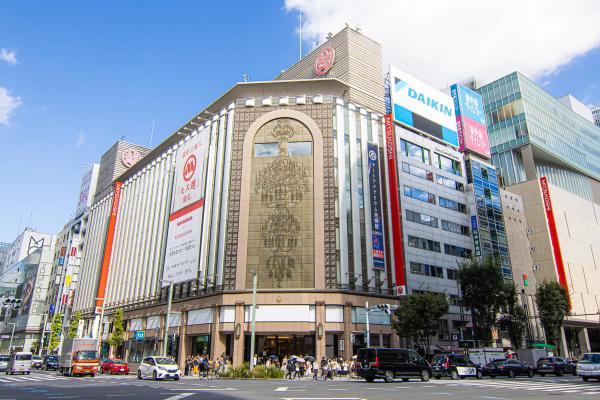
Ginza: Ginza Sweets Collection (Ginza Mitsukoshi)
This event features about 50 brands carefully selected by specialized buyers. It offers many limited-edition products, debut brands, live kitchen demonstrations, and direct imports, allowing you to discover chocolates found nowhere else.
HILLS SWEETS SELECTION (Azabudai Hills, Roppongi Hills, Toranomon Hills)
A Valentine's event spanning the three Hills complexes connected by the Hibiya Subway Line. Approximately 80 shops within Azabudai, Roppongi, and Toranomon Hills participate, offering sweets and drinks. It is characterized by a wealth of eat-in options, such as parfaits, cakes, and afternoon teas provided by various restaurants and cafes.
Valentine’s Chocolate Expo (Hankyu Department Store: Osaka)
In 2026, approximately 350 domestic and international brands gathered to sell a wide variety of chocolates. The expo featured projects exploring the combination of chocolate and coffee, products using ingredients from all 47 prefectures, and sweets focusing on cacao, the raw material of chocolate.

Loading map...
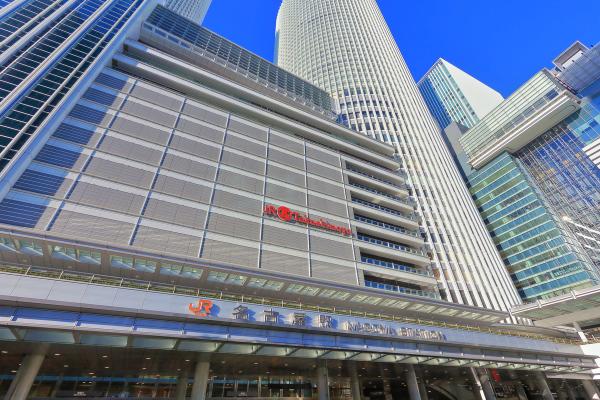
Nagoya & Other Locations: Amour du Chocolat (Takashimaya)
First held at JR Nagoya Takashimaya in 2001, this event is now held at Takashimaya stores across Japan. In addition to many Takashimaya-exclusive products, each store has dedicated staff creating unique sales floors. The Nagoya location is famous for its experiential events, including demonstrations by chocolatiers, talk shows, and workshops.
Valentine’s Day in the Otaku Community
Valentine’s Day is also a popular event for fans of anime, manga, games, and celebrities. Beyond just buying chocolate, there are many ways to enjoy the day.
Limited Edition Illustrations & Goods
In the world of manga and anime, new illustrations of characters giving chocolate are often released, along with merchandise featuring motifs like chocolate, roses, and hearts. Valentine’s Day event corners are packed with collaboration chocolates featuring popular characters, and they often become a hot topic thanks to their adorable packaging and the high quality of their collectible novelties. From fancy characters beloved by children to well-known manga and anime titles, a wide variety of items go on sale, making these sections a delight to browse for visitors of all ages.
Furthermore, in the series The Prince of Tennis, it has become a tradition for characters to cover the Showa-era idol song "Valentine Kiss" by Sayuri Kokusho. Ever since the Keigo Atobe version was released on February 14, 2004, cover singles by various characters have been released for 22 consecutive years (as of 2026).
Real-World Valentine-Themed Events
Singers and artists often release Valentine-themed songs, while idols, actors, and voice actors hold fan club events, concerts, and special broadcast programs. At these live events, fans can enjoy exclusive perks, gift giveaways, and performers in Valentine-themed outfits, making them highly appealing venues. In broadcasts and livestreams, fans can watch them try their hand at making chocolate or other sweets, providing a sense of closeness and interaction.
Official Events Led by Manga and Game Publishers
In mobile games, limited-edition Valentine characters, new character voices, and time-limited events are frequently held, allowing players to increase their "affection level" with their favorite characters. In games where you can give or receive gifts from characters, many fans look forward to the unique reactions and situations tailored to each character.
In manga magazines and anime-focused media, Valentine’s Day often has special campaigns such as character popularity polls and reader giveaway promotions. At the same time, bookstores and anime shops may host Valentine’s fairs, offering exclusive gifts and bonuses to shoppers, adding an extra sense of excitement to the seasonal celebration.
Handcrafted Sweets Filled with Creativity and Care
Among anime and manga fans, some create "Ita-choco" (chocolate decorated with character art) or "Ita-cakes." Others make "Concept Sweets" themed around a character’s colors or favorite foods, or recreate dishes that appeared within the story.
In recent years, ingredients for sweets are available not just in supermarkets but also at 100-yen shops. Items like food coloring which are essential for representing colorful characters but only needed in small amounts can be conveniently purchased for just 100 yen.
Buying or Exchanging Chocolate Inspired by Your Oshi
Another way fans enjoy Valentine's is by purchasing chocolate that matches their favorite member’s color or image and then eating it or exchanging it with Otaku friends. Since the chocolates at Valentine’s fairs are often intricately designed, fans have a great time discussing how these chocolates represent their oshi.
Where Fans Can Share Chocolate with Their Oshi
When visiting a Valentine’s fair, many people see the beautiful chocolates and think, "I want to give this to my Oshi!" Depending on the official management or talent agency, it may be possible to send gifts, including chocolate. If you want to enjoy a Japanese-style Valentine's, it is recommended to check the rules.
For example, in The Prince of Tennis, there is a long-standing custom of fans sending chocolate to the characters. Even now, nearly 30 years since the series began, over 100,000 gifts arrive every year. Due to the burden of management and logistics, the specific rankings of gifts received by each character are no longer publicized. It has been announced that after the contents are checked, the gifts are donated to support groups, volunteers, and welfare facilities in need.
Checking Official Guidelines is Essential
While some manga, anime, and game companies will accept chocolate, the majority of idol and talent agencies prohibit the receipt of food and drinks. Because of the labor and cost involved in inspecting and potentially disposing of massive quantities of chocolate, many only accept letters.
For instance, STARTO ENTERTAINMENT (formerly Johnny & Associates) began calling on fans to send donations or relief funds instead of chocolate following the 1995 Great Hanshin-Awaji Earthquake. This initiative to link feelings of support and love to social welfare has been positively received by many fans.
Published Last Updated
Related Articles
Explore more articles on similar topics and deepen your knowledge of Japan.