The Origins of Japan’s "White Day" and the Meaning Behind the Gifts
While Valentine's Day is celebrated worldwide as a day of love, in Japan it is accompanied by White Day, a reciprocal celebration. White Day may seem like a puzzling concept to people in the West, so how did it come about, and how is it observed in Japan?
In this article, we’ll take a closer look at White Day! For information about how Valentine's Day has evolved uniquely in Japan, see the article below.

What is White Day?
While February 14th is celebrated worldwide as Valentine's Day, a Christian holiday, in Japan it has become a day when women give chocolate to men. Following this custom, March 14th became a day when men give return gifts to women, giving birth to White Day, a uniquely Japanese tradition.
Today, White Day has also taken root in parts of East Asia, including China, Taiwan, and South Korea.
Why “White”?
As the counterpart to Valentine's Day, there are several theories about why White Day carries the color white in its name:
- Before White Day became established, the custom initially spread under the name Marshmallow Day
- In Japan, white carries associations with pure love, purity, and innocence
- The color evokes sugar, a primary ingredient in confections
Rather than any single explanation being correct, all of these likely played a role.
A long-established confectionery shop in Fukuoka launched Marshmallow Day to promote marshmallow sales, and other confectionery makers soon followed by promoting White Day.
Why White Day Took Root in Japan
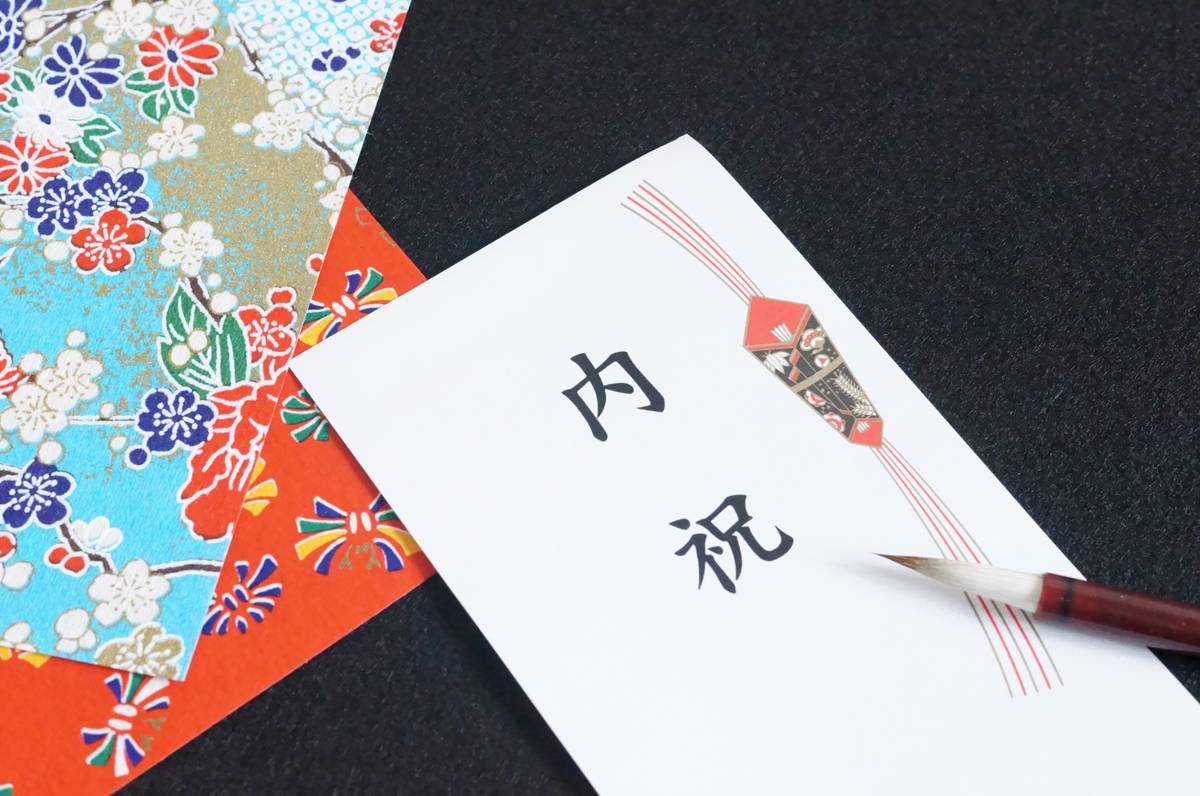
Image of Uchi-iwai / Photo AC
Japan has a deeply ingrained culture of reciprocating after receiving gifts.
Examples include uchi-iwai, which are return gifts given in response to celebratory presents for weddings, births, shop openings, or new homes, and kōden-gaeshi, gifts given in gratitude for condolence money received at funerals.
Due to this, considerate men began giving return gifts in response to Valentine's Day presents from women. When confectionery makers capitalized on this by introducing the name White Day, it spread rapidly throughout Japan.
Some advocate a rule of "triple return" for White Day (giving back three times the value received), but overly expensive gifts, especially those not matching the recipient's taste, are more likely to cause awkwardness. These days, the general practice is to give something of roughly equal or slightly higher value than what was received.
Common Return Gifts for White Day
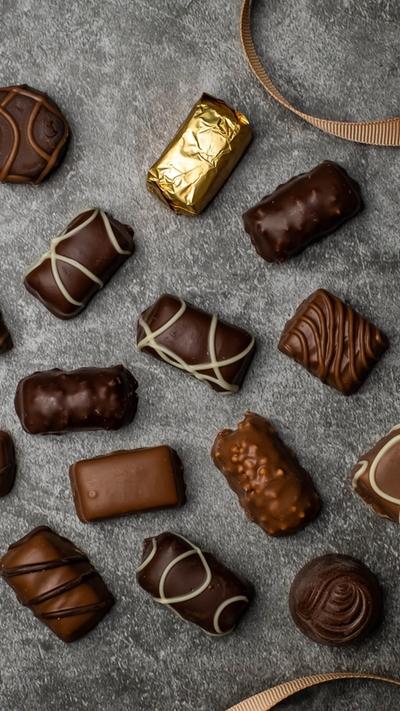
While chocolate is the staple of Valentine's Day, there is no set gift for White Day. Most people give consumables like sweets or bath products, though some give jewelry such as necklaces or earrings to their partners.
Unlike Valentine's Day, large-scale commercial events are less common. Instead, department stores and shopping centers set up White Day corners in their food and miscellaneous goods sections, or host limited-time pop-up shops.
Various return gifts are said to carry specific meanings. While most of these are contrived folk beliefs, they make for interesting reading. Here are popular return gifts and their associated meanings.
Macarons
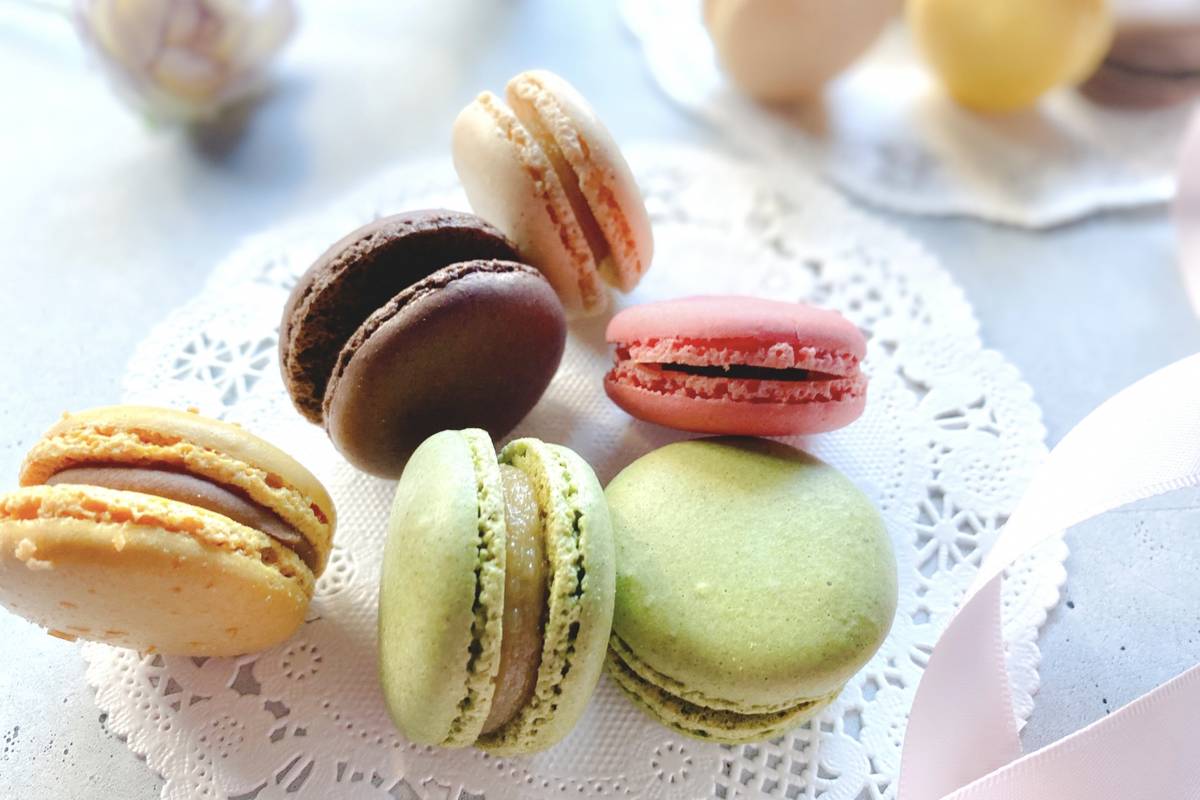
Macaron / Photo AC
Because they are difficult and time-consuming to make and relatively expensive among sweets, macarons are said to carry the message 'you are special,' making them perfect for one's partner.
With their beautiful, elegant packaging and appearance, macarons are fitting sweets to give to someone important.
Candy
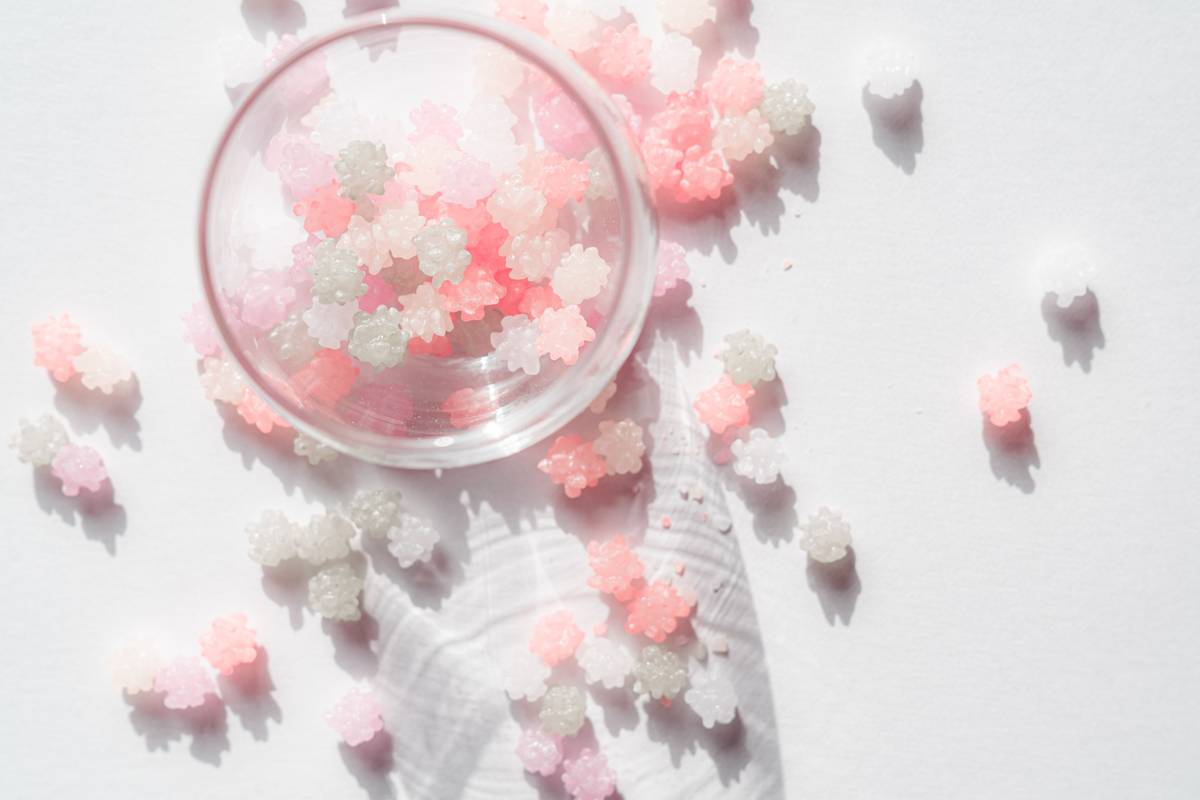
Konpeito / Photo AC
Because candy takes time to dissolve, it symbolizes wanting a relationship to last. Western hard candies are popular, as is colorful, charming konpeitō (traditional star-shaped Japanese sugar candy).
Konpeitō, made through a process of slowly growing sugar crystals over time, is said to represent even deeper affection than regular candy.
Note: Konpeitō = small, colorful, charming candies made of sugar. The name derives from the Portuguese word for confection (confeito).
Baumkuchen
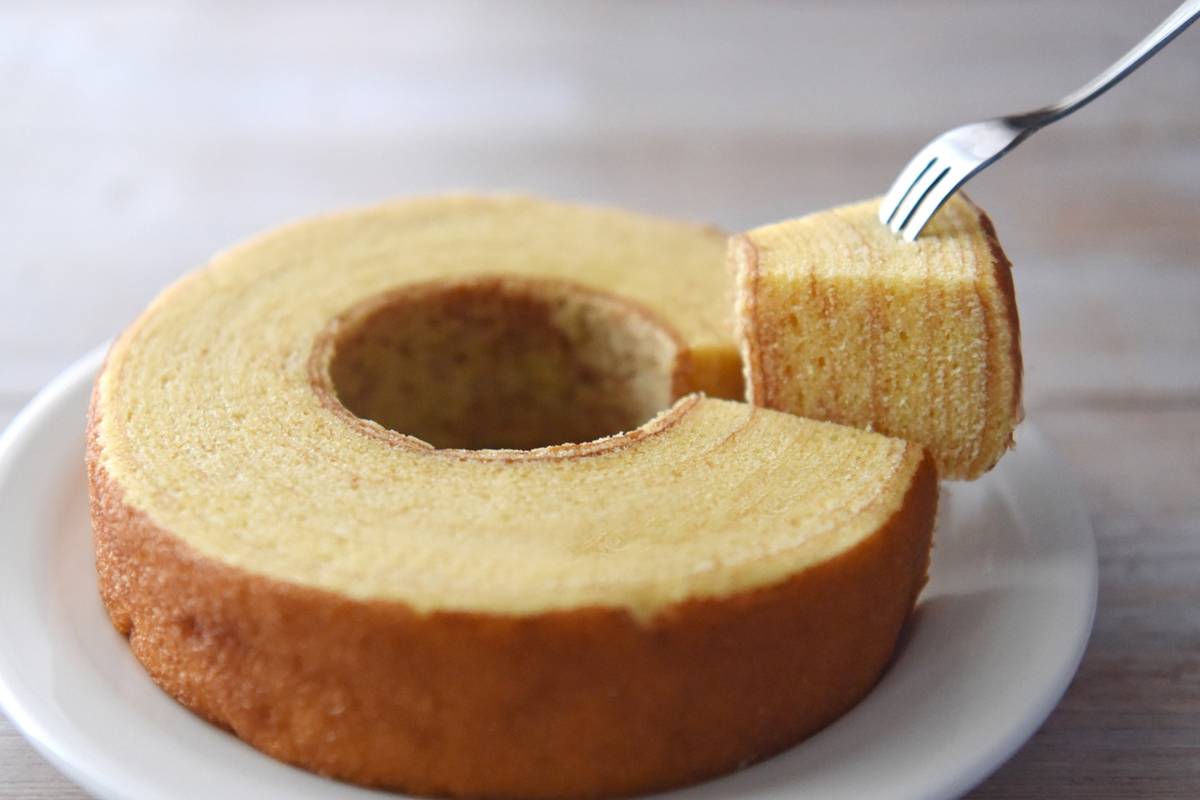
Baumkuchen / Photo AC
With its many layers of batter creating a tree-ring pattern, baumkuchen symbolizes wanting to layer happiness together or long-lasting happiness. Often given as wedding favors, it is considered an auspicious sweet.
Incidentally, while this German-origin confection is quite famous in Japan as a baked good, it has low recognition in its home country, and many Germans are unaware of its existence.
Madeleines
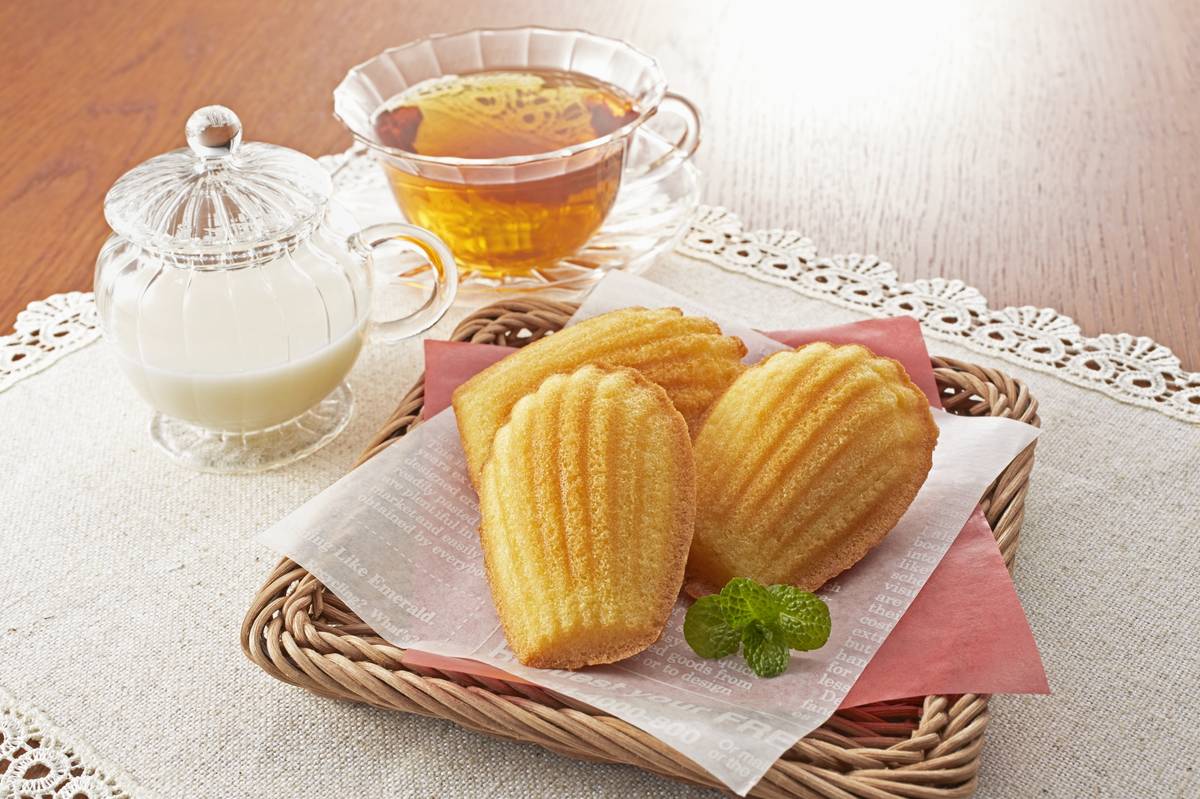
Madeleine / Photo AC
In Japan, sea-shells are considered auspicious symbols representing matchmaking and harmonious relationships. Therefore, madeleines carry the message of 'wanting to grow closer,' making them suitable not only for partners but also for colleagues and friends. Financiers, which are often boxed together with madeleines in assorted baked goods, have no particular assigned meaning.
Cookies
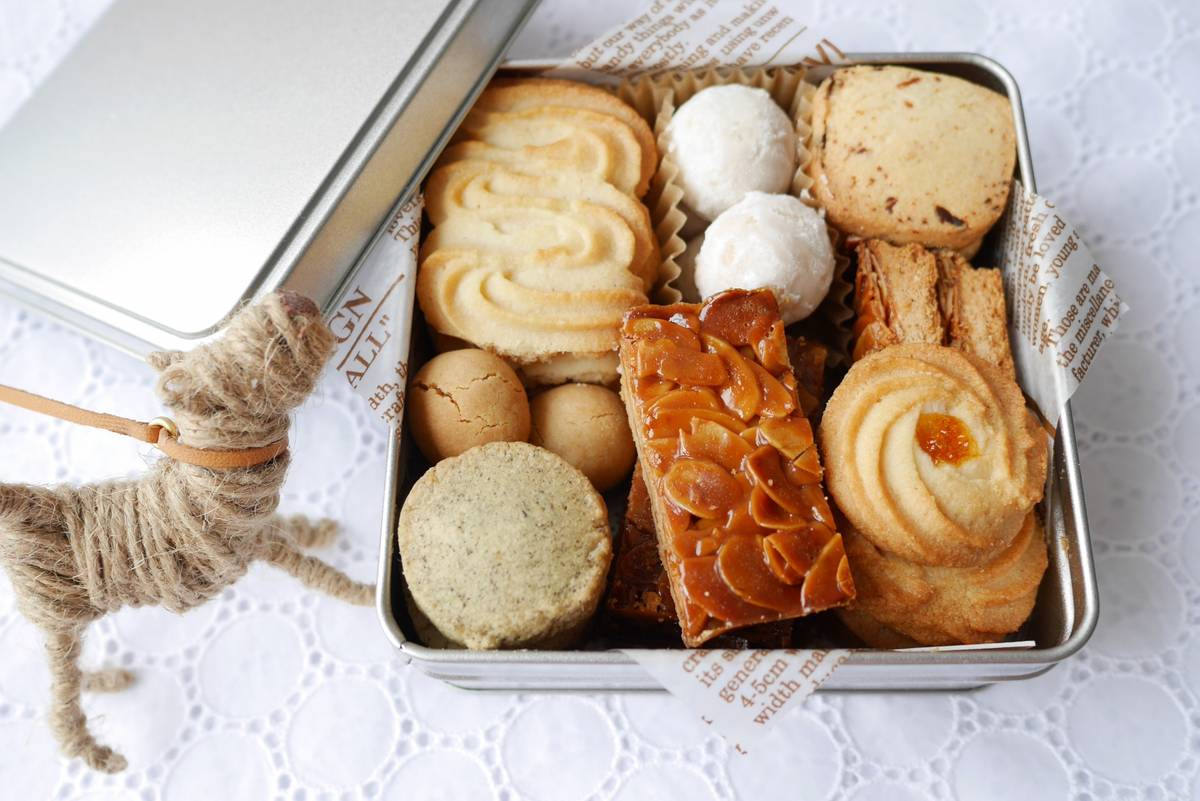
Their crisp, light texture evokes friendship, giving cookies the message of 'good friends.' Available in everything from luxurious tin containers to individually wrapped varieties, you can choose based on the value received and your relationship with the recipient.
Tea and Coffee
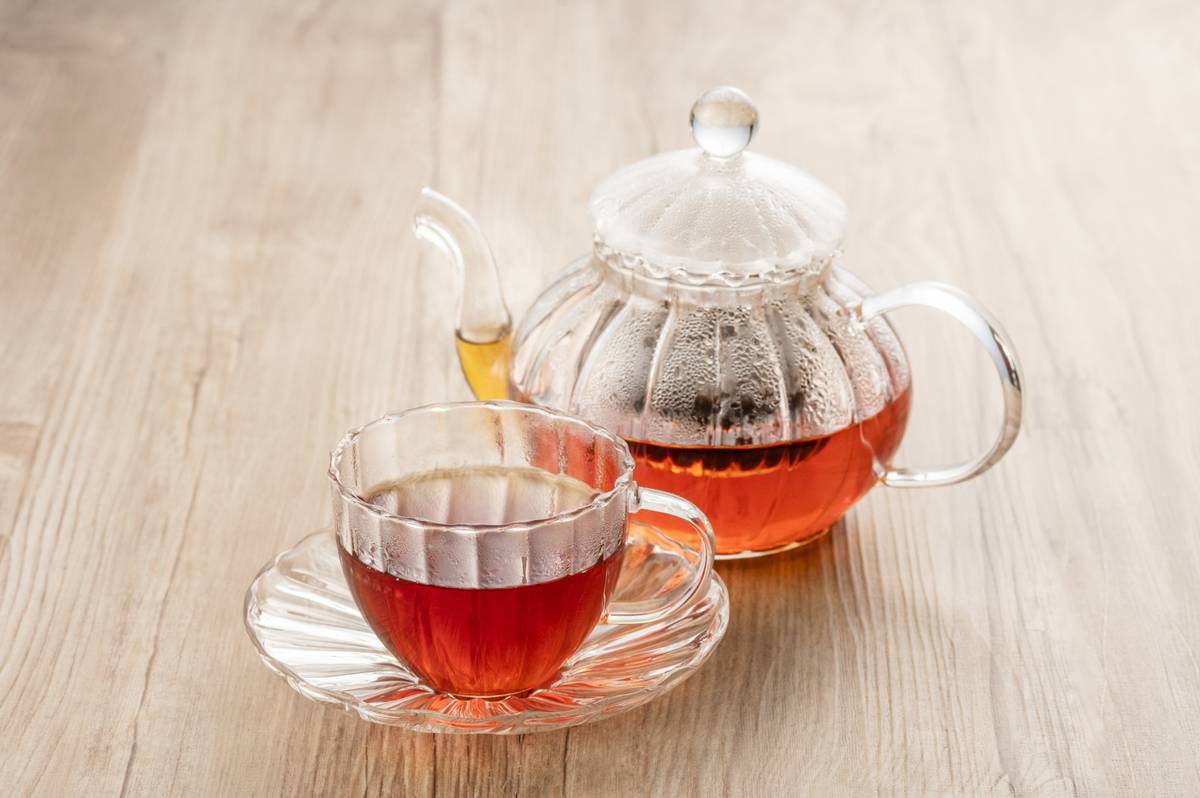
Cup of Tea and Pot / Photo AC
High-quality coffee or tea that can be used at the office is also appreciated. For those concerned about caffeine, give caffeine-free or decaf options.
Bath Products and Hand Cream
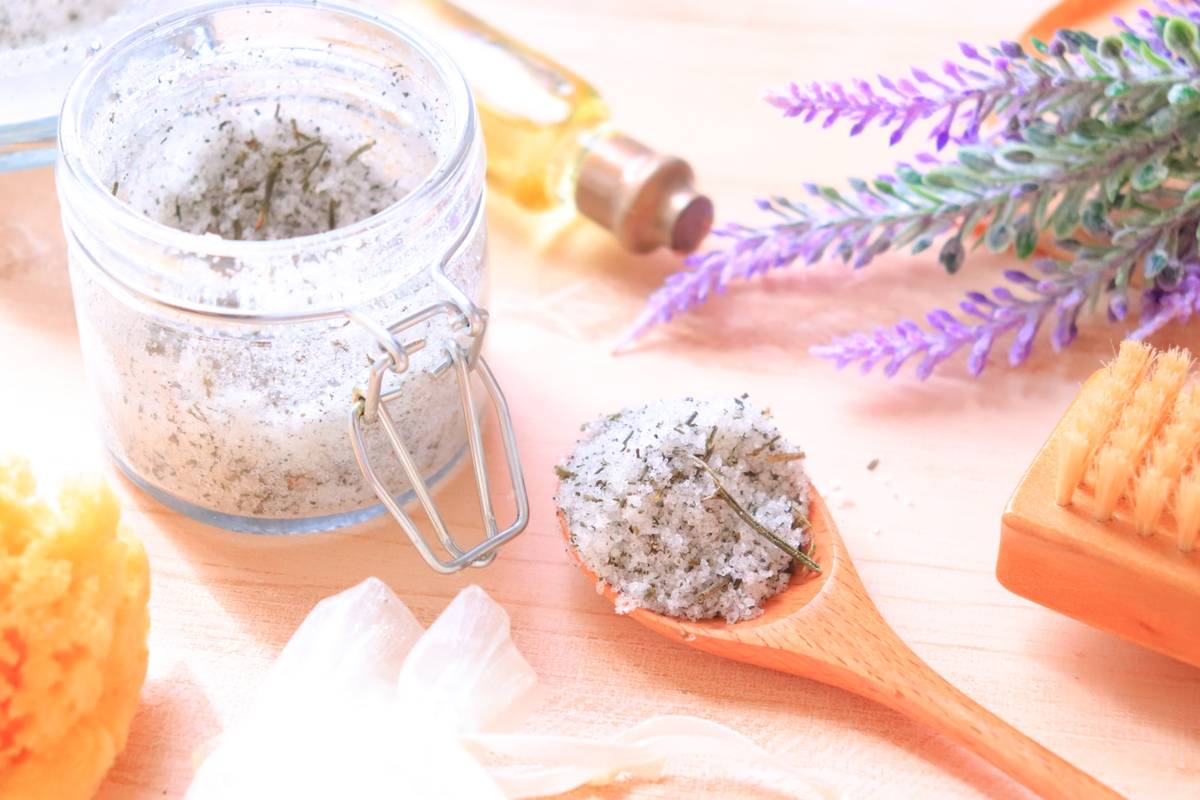
Bath Salt / Photo AC
These also come in many affordable, well-designed products. However, since they touch the skin, they may not suit everyone's body chemistry. It's safer to give these to someone whose preferences and allergies you are already aware of.
Marshmallows
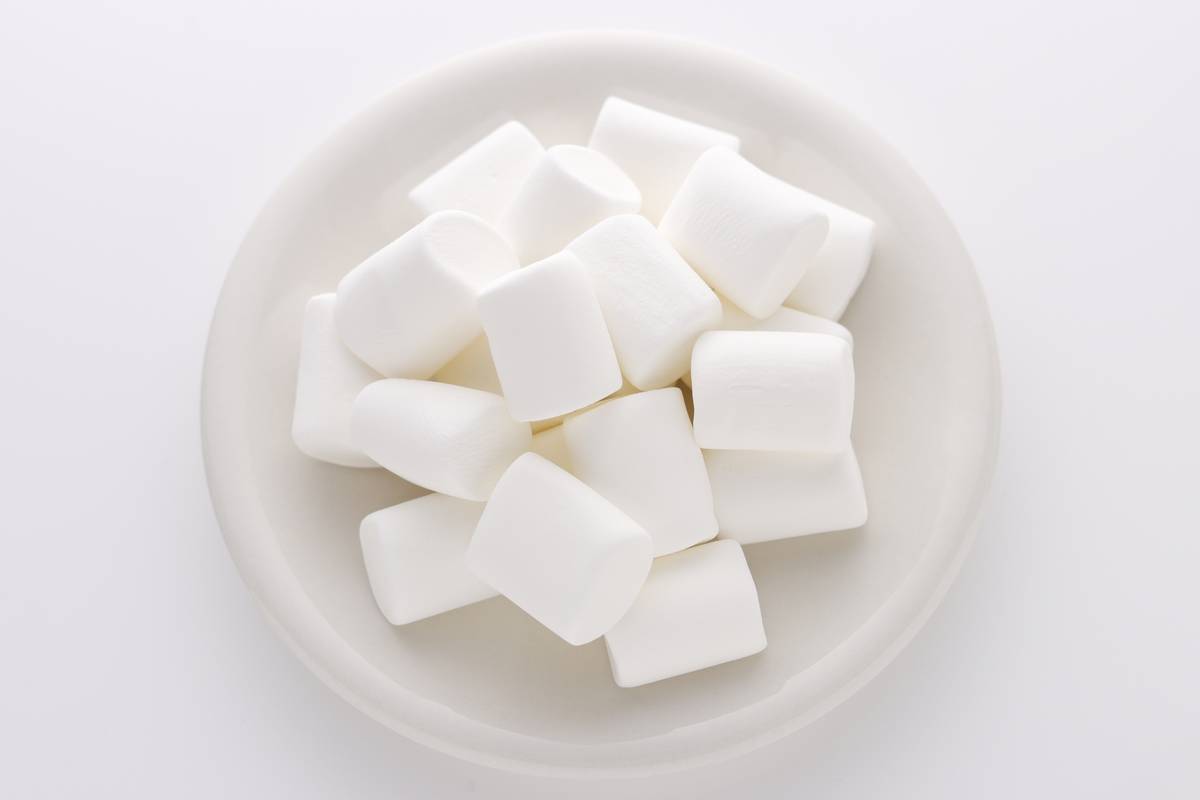
Marshmallows / Photo AC
The culture of White Day is said to have originated when a confectionery maker promoted their marshmallows under the concept of wrapping the received chocolate in kindness (marshmallow) and returning it.
However, the image of wrapping and returning took on a life of its own, becoming associated with negative meanings like no “romantic interest” or “no feelings”. Since some people are sensitive to this, if giving marshmallows to someone you care for, it's recommended to include a card or message for clarification.
Gummies
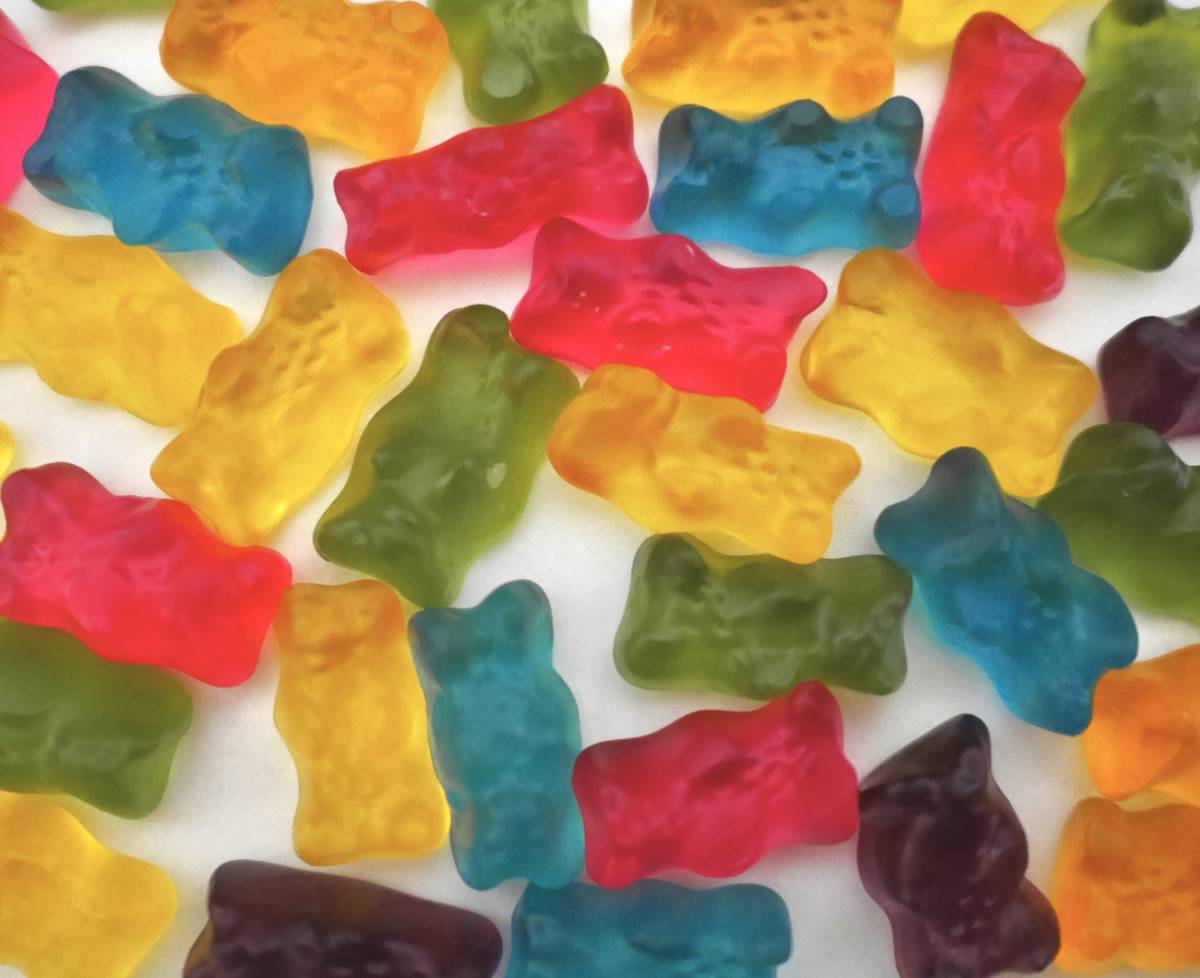
Gummy Candies / Photo AC
In Japan, soft gummy candy is recognized as distinct from hard candy.
Perhaps because it's a casual treat lacking special significance, gummy candy is said to convey no desire to deepen the relationship or even dislike. Unless the recipient is particularly fond of gummy candy, it's best avoided for White Day.
Chocolate
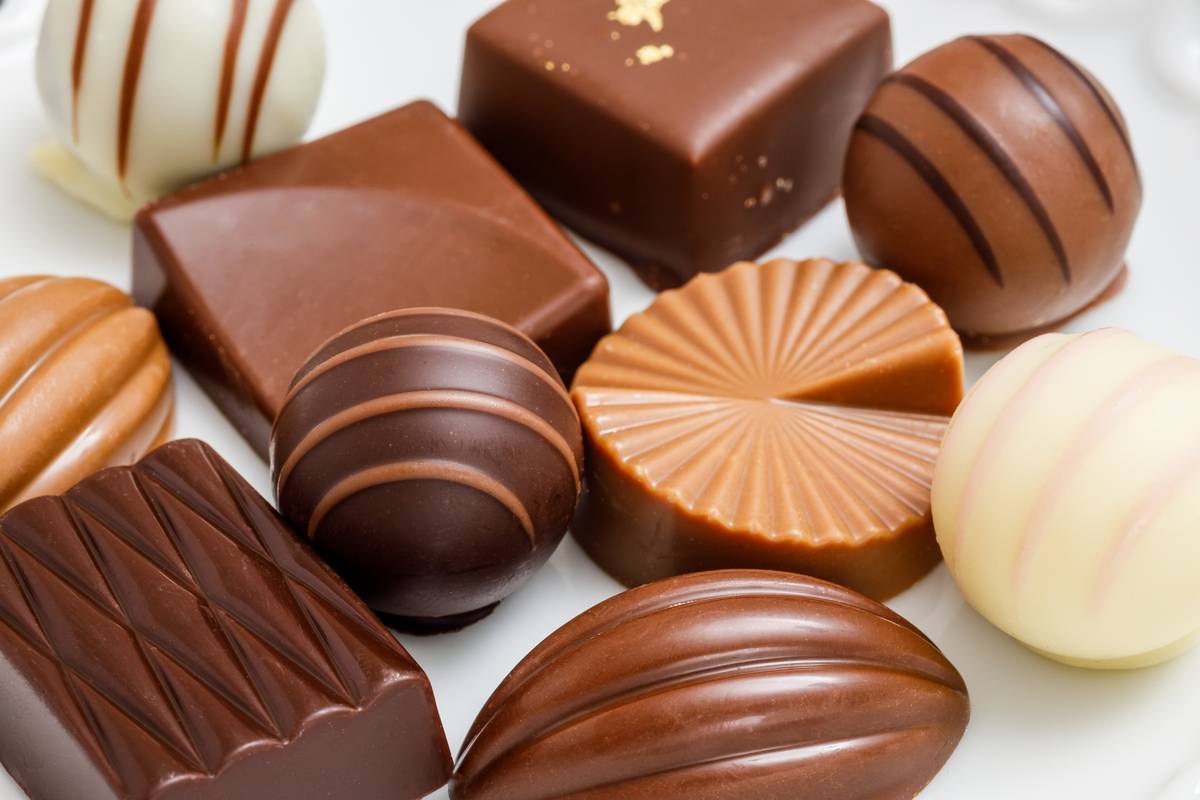
Chocolates / Photo AC
While chocolate is the Valentine's Day staple, there is generally no problem giving it for White Day. However, folk belief holds that giving the same product you received means wanting to maintain the status quo, and that white chocolate means wanting to stay friends.
While this poses no issue for obligatory gifts (giri) or friends, it's better to choose a different confection or product than what was given to you.
Handkerchiefs
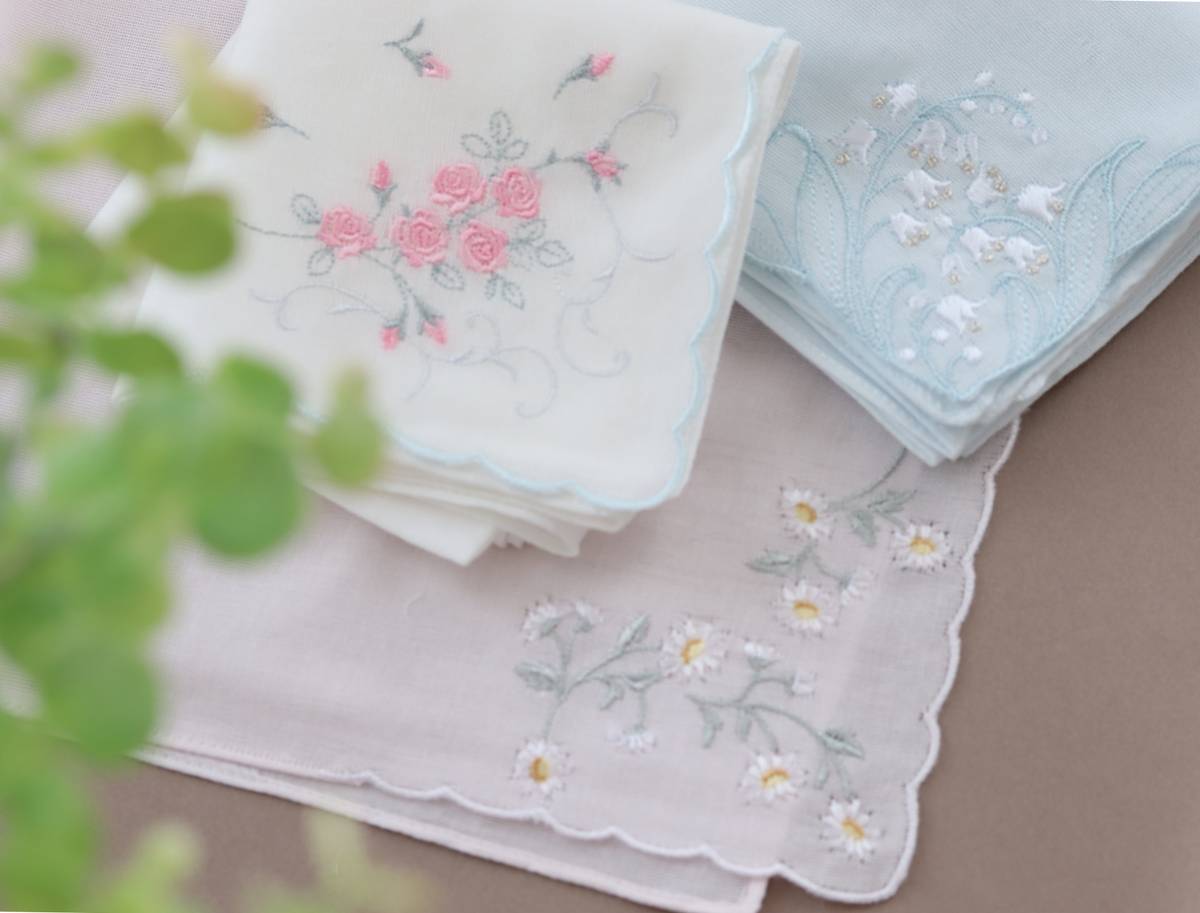
Handkerchiefs / Photo AC
Because handkerchiefs are used to wipe tears, they evoke separation and should be avoided for loved ones or superiors. Some also prefer consumable gifts that disappear for obligatory occasions, so this item should only be given after researching the recipient's preferences.
Accessories
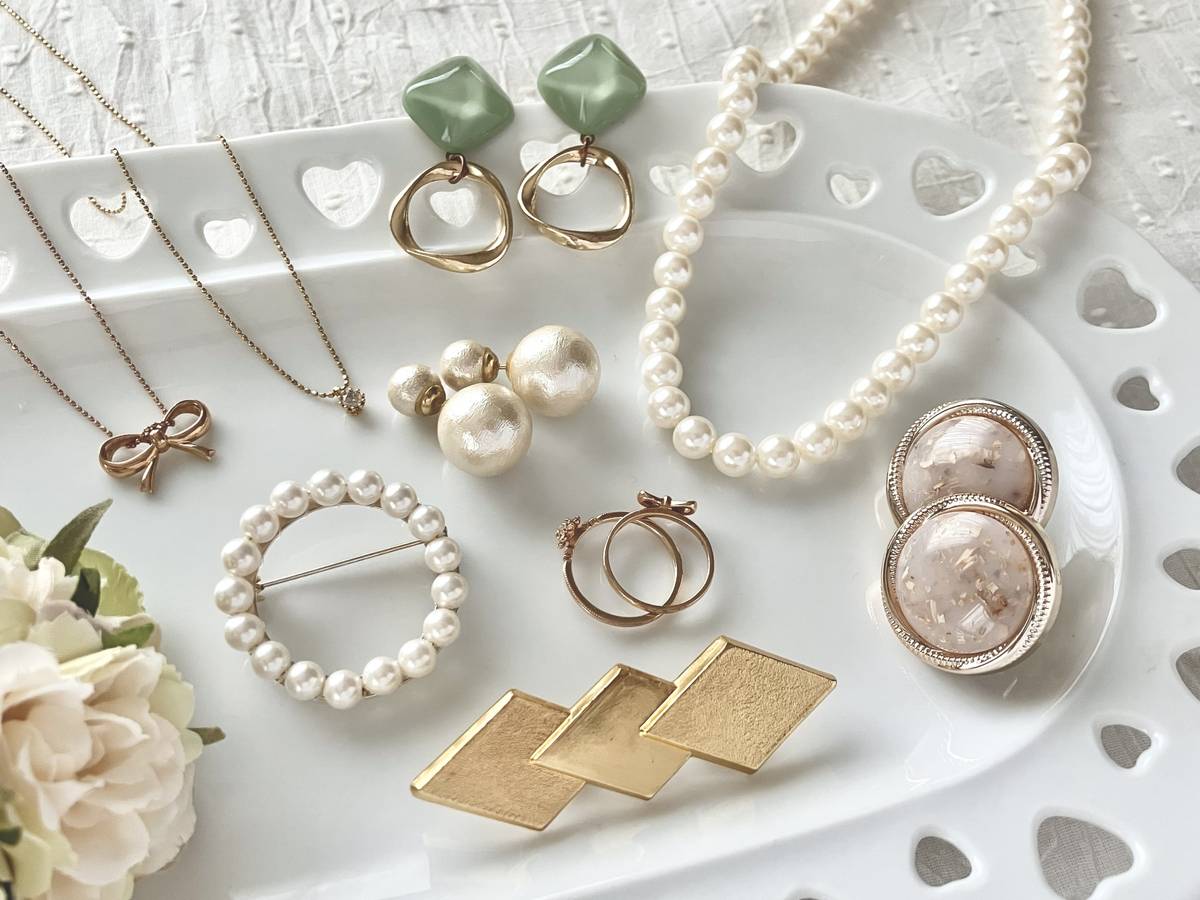
These often involve significant expense, but they also carry a special sense of being chosen just for the recipient. Brands like 4°C and Tiffany & Co. are popular choices.
Cosmetics

These are often appreciated when you have a solid grasp of the recipient’s taste. Hand creams and lip balms are practical everyday items that tend to be well received. Department store cosmetics counters and beauty specialty shops like LUSH and Sabon are good places to look.
Experiential Gift
Depending on price, you can choose from various experiences such as spa treatments, pottery classes, or hot air balloon rides. Creating memories together has a different appeal from physical gifts. Pair gifts are also available, making it possible to enjoy extraordinary experiences and special dining moments together with your partner; an added charm that makes the gift even more memorable.
Bouquets and Flower Gifts
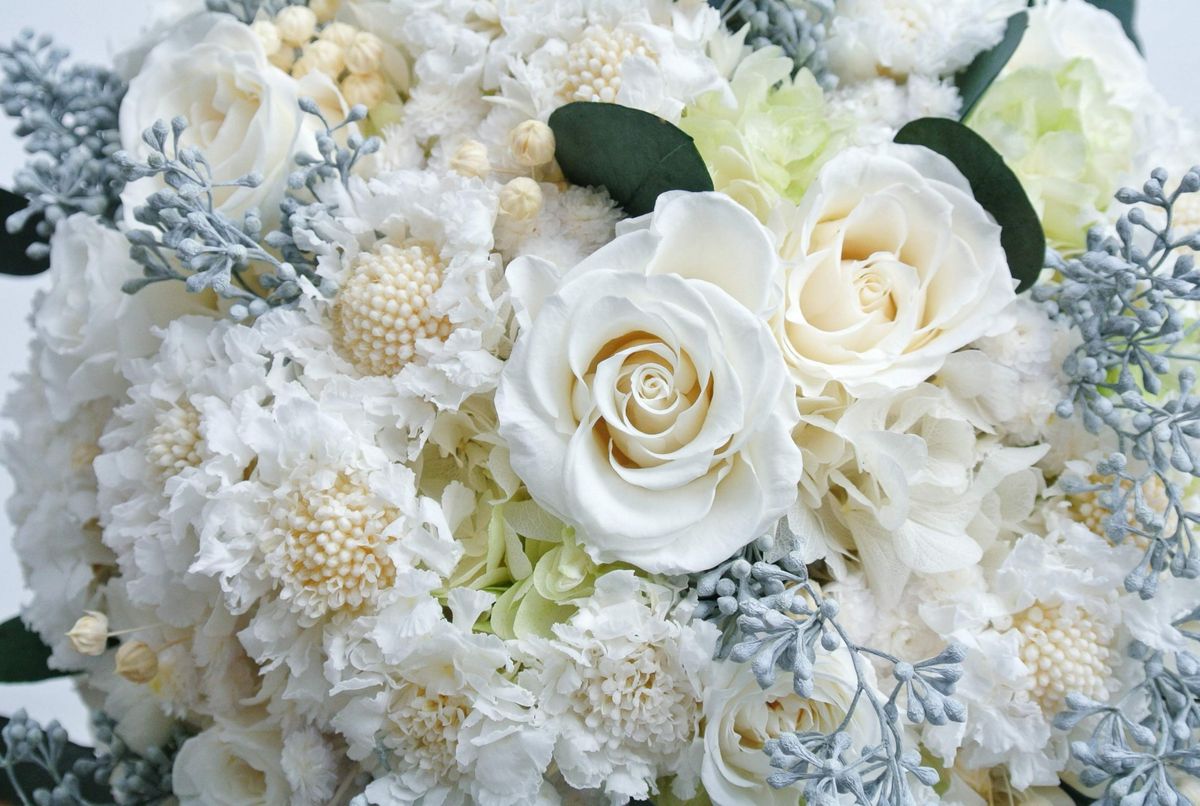
If you plan to carry the flowers yourself, consider a petite bouquet or preserved flowers for easy transport. For delivery, a larger bouquet or a potted plant may be suitable; choose according to the occasion and setting. It’s also wise to check in advance whether the recipient has a vase or enough space to display the arrangement. Designing the bouquet around their favorite colors or the symbolic meanings of flowers can make the gift even more thoughtful and enjoyable to create.
Customizable Gifts Are Also Popular
Services that create one-of-a-kind items, like name-engraved accessories, message-printed sweets, or photo-printed goods have been gaining popularity in recent years. The extra effort that goes into personalizing them makes the gift feel that much more special to the recipient.
Valentine’s-Derived Events Other Than White Day
Japan has even more commemorative days inspired by Valentine’s Day.
While some are not as established as White Day, each carries its own unique charm and backstory.
Orange Day
Reportedly conceived by citrus farmers in Ehime Prefecture, Orange Day falls on April 14th, exactly one month after White Day. The idea is that, after confessing love on Valentine’s Day and confirming those feelings on White Day, couples then exchange oranges to solidify their bond. In the language of flowers, orange blossoms symbolize ‘bridal joy,’ making them a fitting emblem for this celebration of love.
Men’s Valentine’s Day
This commemorative day was established in 1991 by Japan’s underwear industry. September 14th is designated as a day men gift lingerie to women. However, due to the psychological hurdle many men feel about purchasing women’s lingerie, and the reality that even in close relationships, preferences and sizes are not always well understood, the day has gained little public recognition. As a result, it remains a largely uncelebrated and relatively obscure occasion.
Summer Valentine
In Asia, July 7th, Tanabata (the Star Festival), is widely recognized as a romantic occasion. Since it falls exactly midway between Valentine’s Day and the following Valentine’s Day, it has come to be called Summer Valentine.
What is Tanabata?
Originally a Chinese observance that spread across East Asia, the Tanabata legend tells of two celestial lovers — Orihime (the weaving maiden, represented by the star Vega) and Hikoboshi (the cowherd, represented by Altair) — who are separated by the Milky Way and permitted to meet only once a year.
“The emperor of the heavens, moved by their devotion, promised that if Orihime applied herself diligently to her weaving, he would allow them to reunite once a year, on the seventh night of the seventh moon.
Tanabata celebrates this reunion. In Japanese, the Milky Way is known as Amanogawa: the River of Heaven, a name that evokes the celestial waters keeping the two lovers apart.
Happy Summer Valentine’s Day
August 14th marks Happy Summer Valentine’s Day, a fictional holiday featured in Konomi Takeshi’s manga series The Prince of Tennis. The concept actually gained enough traction among fans that a commemorative day was officially registered in 2010. It encourages people to express feelings of love or friendship through gifts and greetings, and has found particular resonance among anime and manga enthusiasts.
Maystorm Day
May 13th, 88 days after Valentine’s Day, is considered the ideal day to initiate a breakup, inspired by the phrase ‘the parting frost of the 88th night,’ a traditional expression referring to the last cold snap of spring.
“Maystorm” is Japanese-coined English referring to low-pressure systems that bring sudden gusty winds to Japan around this time. The dramatic weather imagery serves as a fitting metaphor for emotional turbulence.
September Valentine
September 14th is designated September Valentine. Whereas Valentine’s Day and White Day are occasions for chocolate and sweets, September Valentine invites people to express their feelings through a different medium: photos, letters, or music that hold personal meaning. Although not widely practiced, the concept of conveying emotion through creative, non-material gestures gives it a distinctive appeal.
Published Last Updated
Related Articles
Explore more articles on similar topics and deepen your knowledge of Japan.