
Payment Methods in Japan
日本で使える決済方法
We’ll introduce the main payment methods commonly used in Japan, including options that visitors from overseas can use.
Japanese Yen
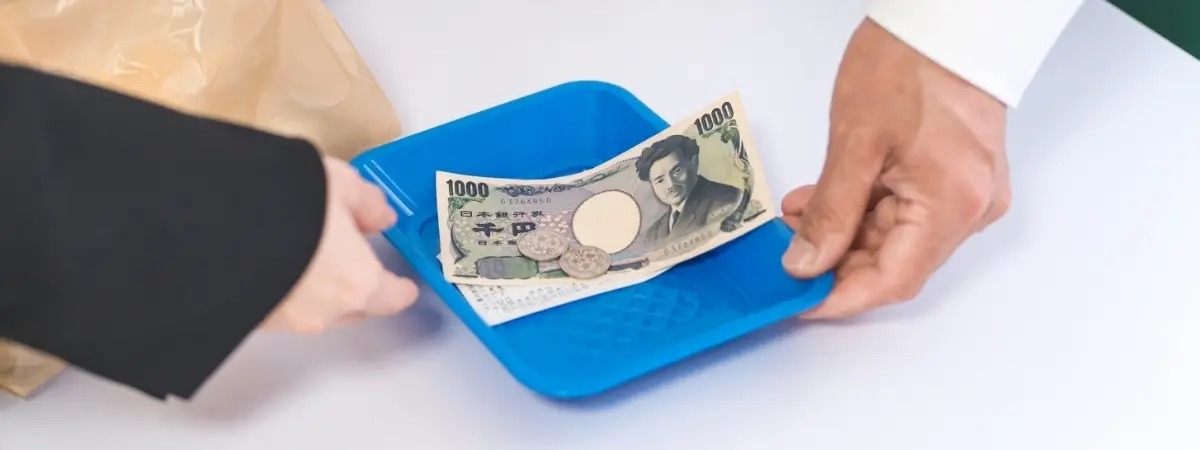
Naturally, in Japan, you can make payments with cash in Japanese Yen.
Small shops in rural areas, offering fees at shrines and temples, and entrance fees to historical buildings sometimes only accept cash.
Credit Cards

The international credit card brands that can be used in Japan are as follows:
- VISA
- MasterCard
These are accepted at almost all places where credit cards are accepted.
Additionally, the following international brands might not be accepted at individually-owned shops or rural stores, but they are generally accepted at most tourist destinations:
- JCB
- American Express
- Diners Club
In addition, while fewer stores accept it compared to the options above, some places do support UnionPay (銀聯) cards.
Credit Cards for Travelers from Overseas
Visitors from outside Japan can feel at ease if they have a VISA or MasterCard, as these are widely accepted throughout the country.
You can continue using the same cards you use in your home country, which is convenient.
Main Places Where Credit Cards Can Be Used

They can be used at urban restaurants, general stores, souvenir shops, hotels, and many other places.
In some cities, these cards can also be used at train station ticket gates, but this isn’t very common. If you plan to use public transportation, it’s best to use Suica, which we’ll introduce later.
Transportation IC Cards
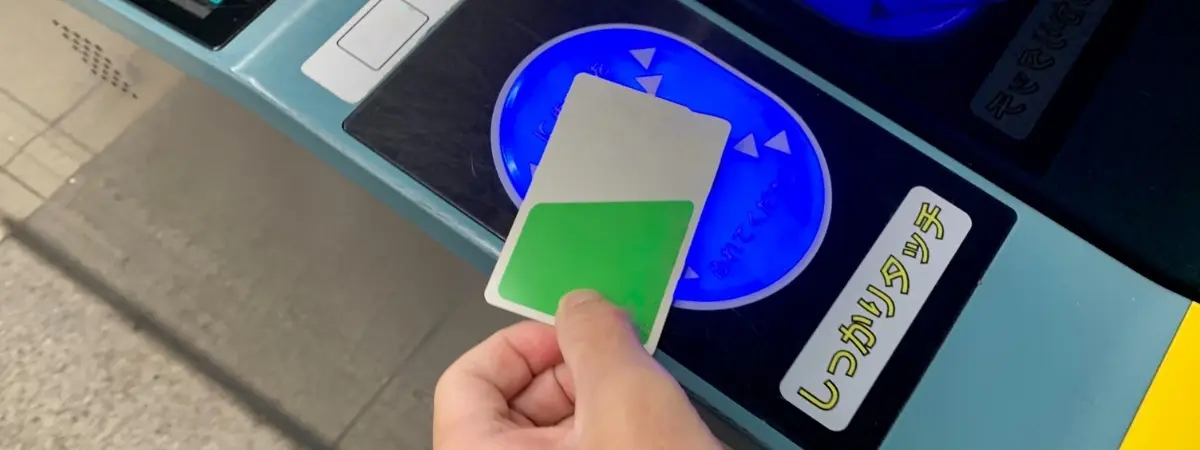
Trains and buses are essential means of transportation when traveling in Japan. The transportation IC cards used to pay at station ticket gates and on buses are just as important as credit cards for getting around smoothly.
The main transportation IC cards available throughout Japan are as follows:
- Suica
- PASMO
The difference between Suica and PASMO is the issuing company. In the past, JR trains required Suica, and private railways required PASMO, but currently they have been unified, and both can be used in the same way.
(*If you’re purchasing a commuter pass for work or school, this is still subject to certain restrictions or changes, so if you reside in Japan be sure to check the latest details carefully.)
Similar cards are available in other regions of Japan, such as ICOCA, TOICA, and SUGOCA. Since Suica and PASMO can generally be used nationwide, there’s no real need to switch between them. However, each local card often features unique regional designs, making them fun to collect as travel souvenirs.
In addition, the money charged to these cards can also be used at vending machines inside stations and at convenience stores.
Welcome Suica (JR East)
For short-term visitors to Japan, there’s a special version called the Welcome Suica, which can be used for up to 28 days. Featuring a beautiful cherry blossom design, it also makes a perfect keepsake to take home from your trip.
Detailed information about how to obtain it and its specifications are introduced on another page.
※ PASMO previously offered a card for overseas travelers called PASMO PASSPORT, but it was discontinued in October 2024.
QR Code Payment
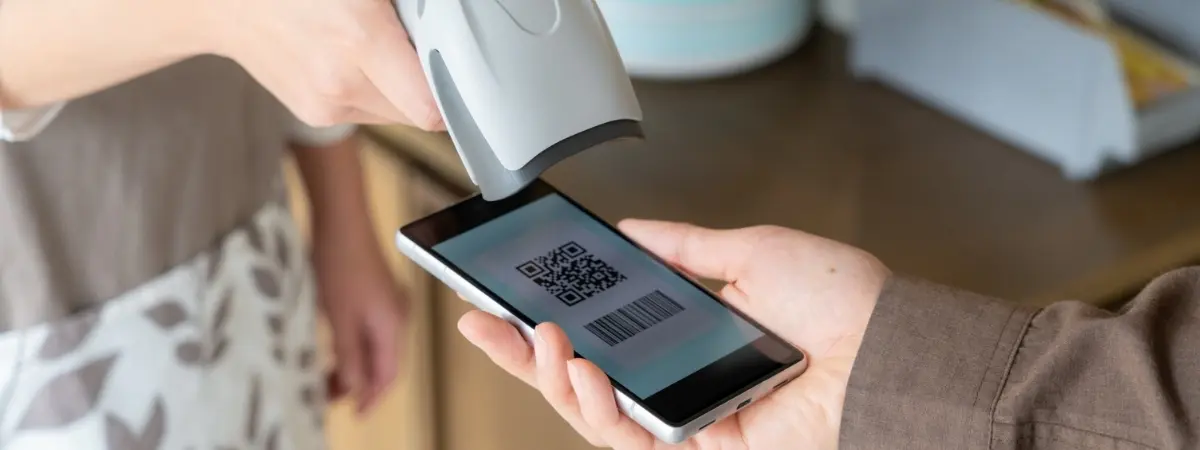
In Japan, a wide variety of QR code payment services are widely used. Some of the most common examples include the following:
- PayPay
- LINE Pay
- Rakuten Pay
- d Payment
However, these often require a Japanese phone number or bank account, making them difficult options for tourists from overseas.
Some Asian QR Code Payment Services Are Partially Accepted
- Alipay
- WeChat Pay
These can be used at some tourist destinations and large commercial facilities, but their availability within Japan is still limited compared to the services mentioned above.
Through Alipay+, payment apps from various Asian countries such as TrueMoney in Thailand, GCash in the Philippines, and NETS in Singapore can also be used at certain stores in Japan.