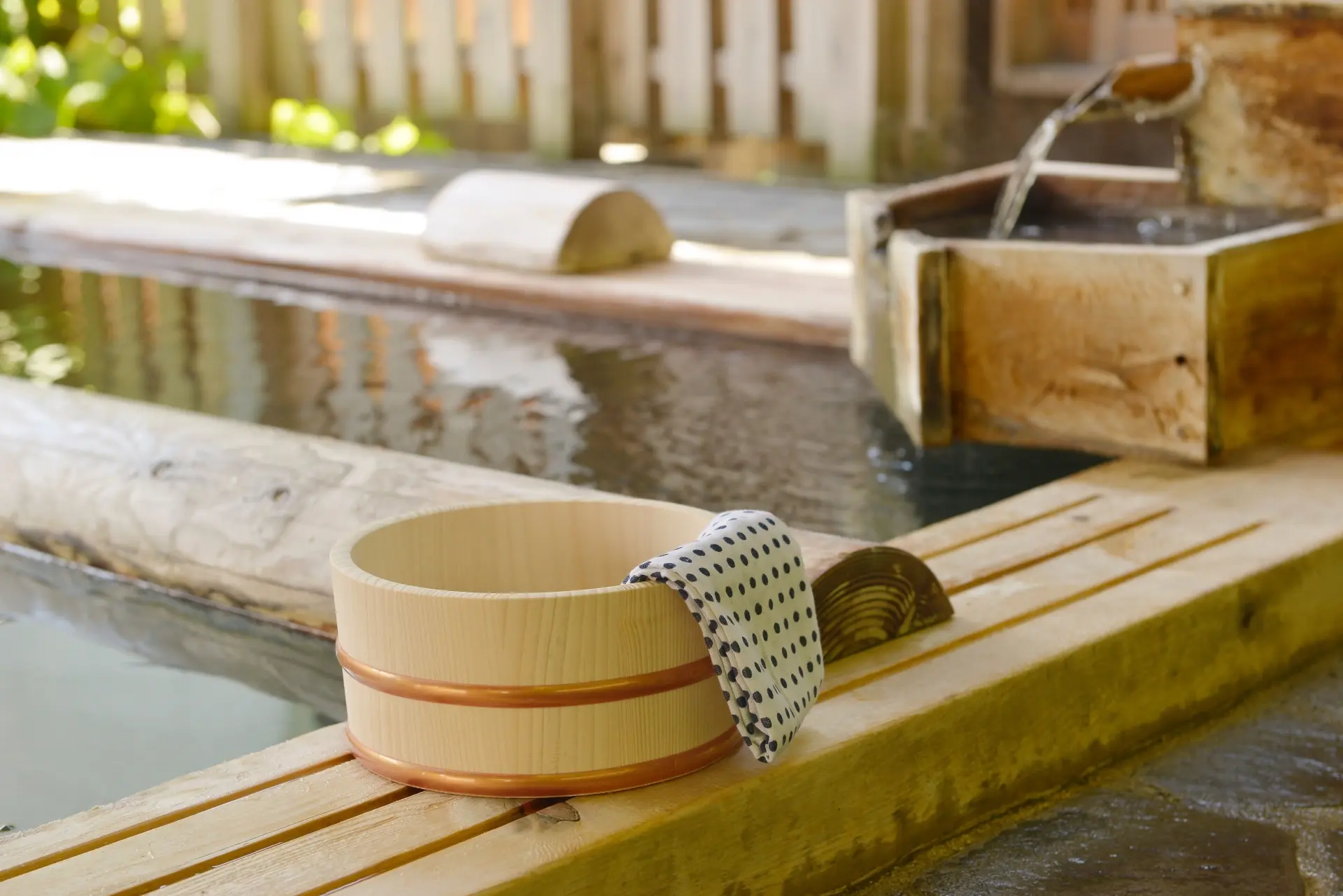
Manners and Etiquette When Visiting Onsen & Public Bathhouses in Japan
日本で大衆浴場に入る時のマナー
One of the most beloved aspects of Japanese culture is the onsen (hot spring) and sento (public bathhouse). Onsen are facilities where the water temperature and mineral components are strictly defined by the Hot Spring Act, offering benefits such as improved blood circulation and recovery from fatigue. Sento, on the other hand, are public baths that primarily use tap water or well water.
Bring a Change of Clothes for Large Public Baths
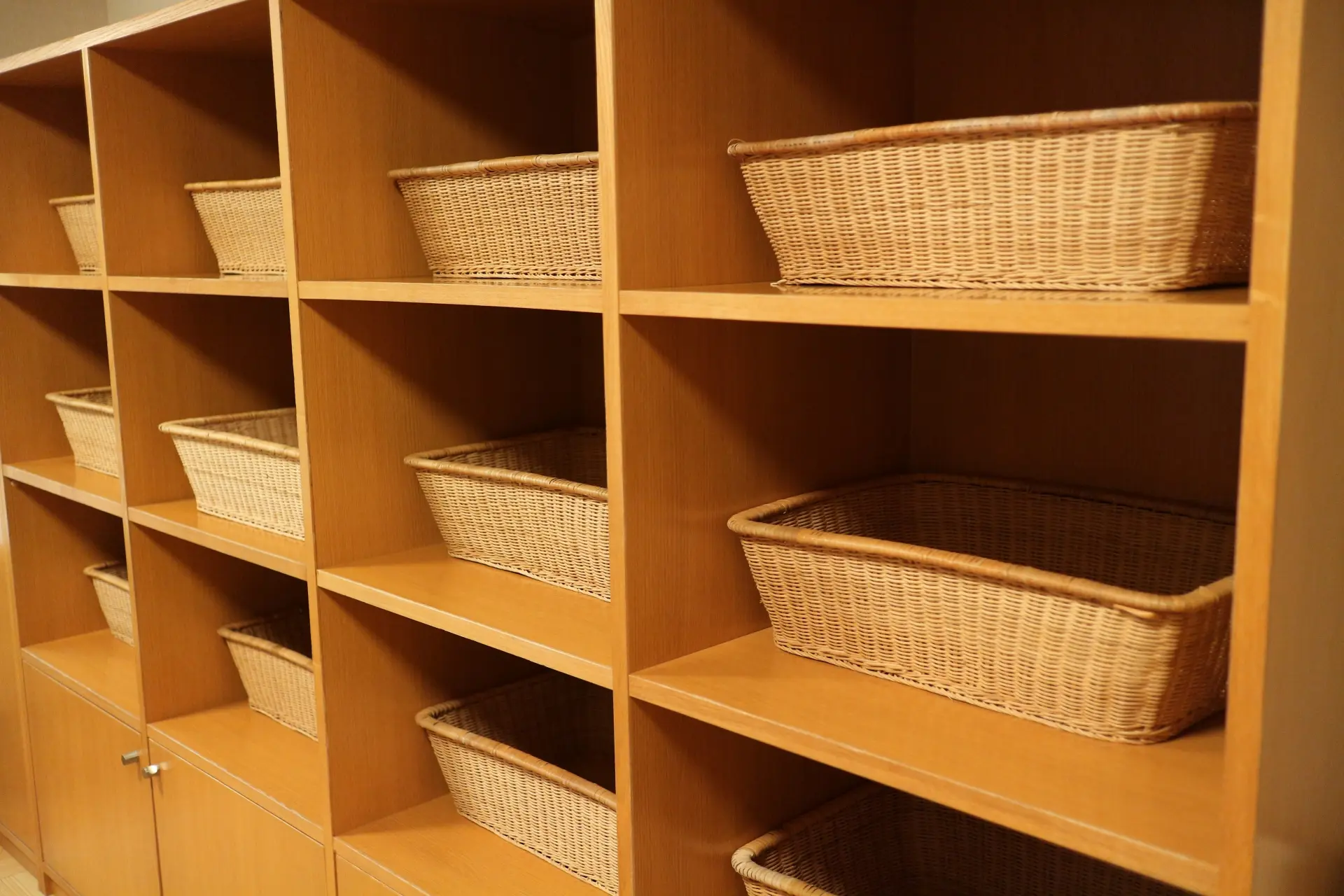
In ryokans (traditional inns) and hotels, there is often a large communal bath available in addition to the shower in your guest room. Since you will be moving between the bath and your room, please bring clothes that you are comfortable wearing in front of others.
Some ryokans provide yukata as room wear, and it is perfectly acceptable to move around the facility wearing one. Additionally, since changing rooms may not always have lockers with keys, it is safer to leave valuables like your wallet in your room.
Day-Use Onsen and Sento: No Preparation Needed
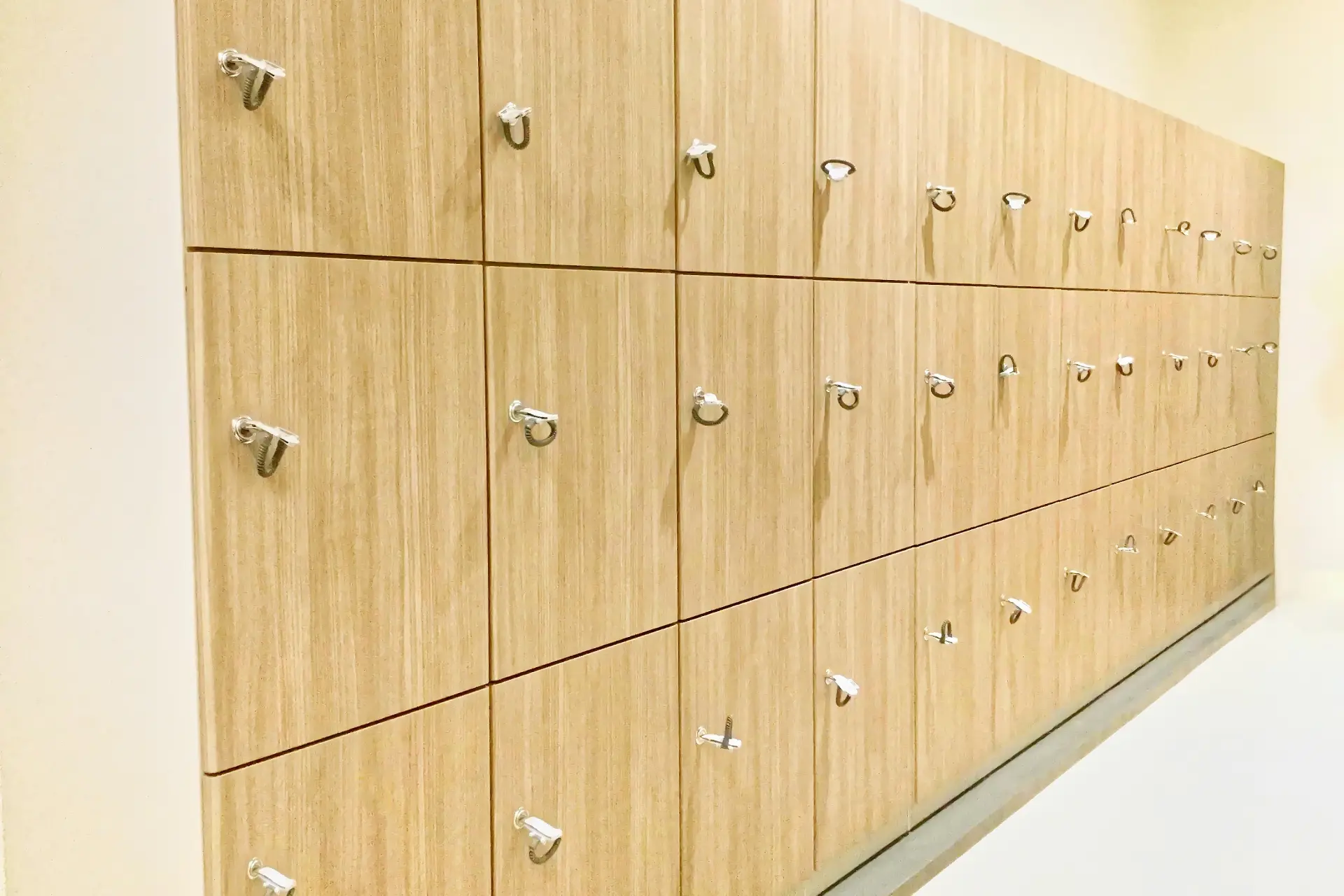
For onsen or sento facilities that allow day-use, you pay an entrance fee at the door. Please note that some facilities have different rates for bath only versus bath and sauna use. Many places sell towel sets and toiletries, making it possible to drop by spontaneously without any preparation.
Typically, you put your belongings and clothes into a locker with a key. These lockers are often too small for large luggage, so it is recommended to go as light as possible. If you have large bags, check with the staff to see if they can hold them for you.
Changing Rooms and Baths are Gender-Separated
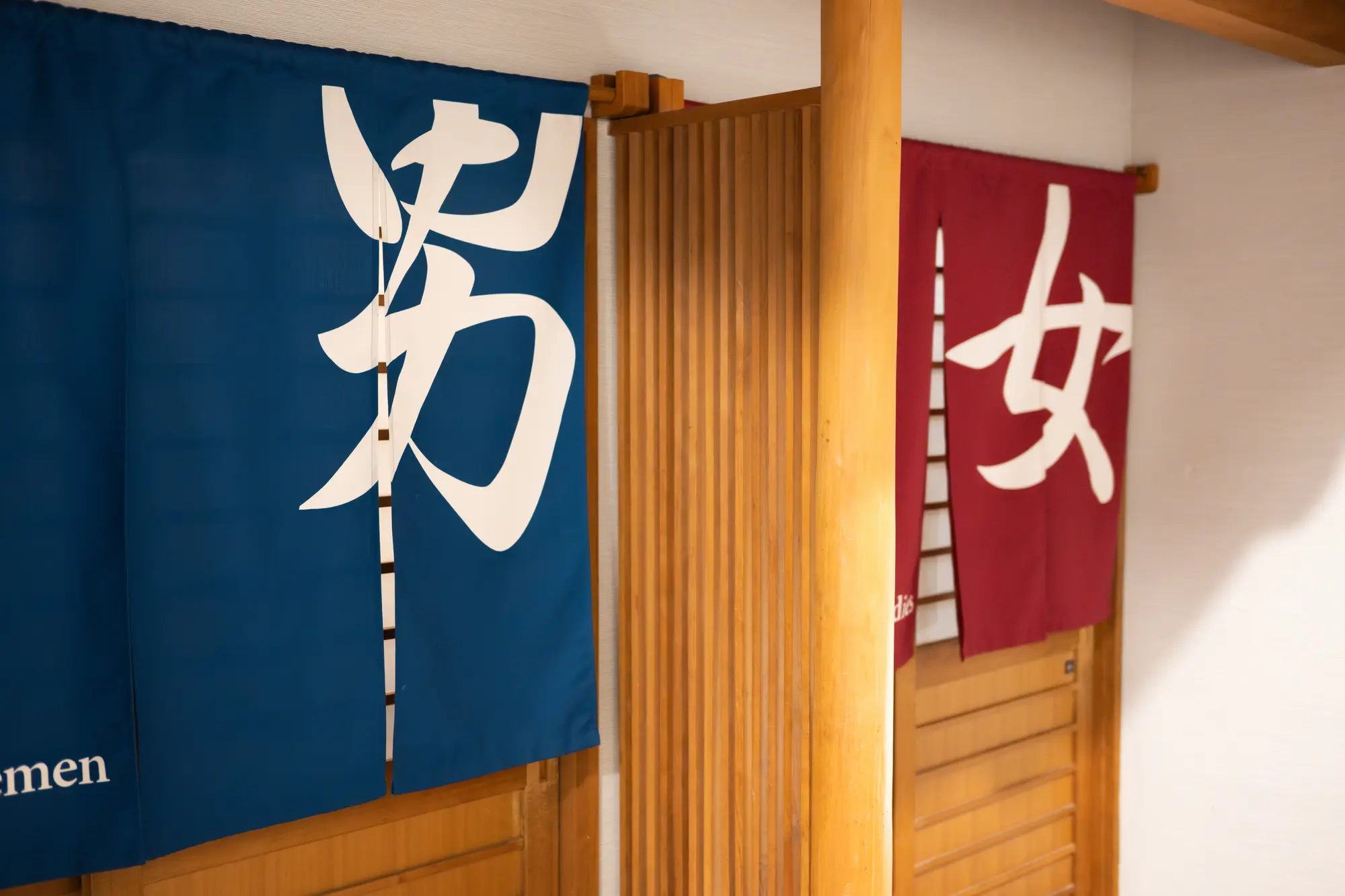
Left: 男 (Man/Men), Right: 女 (Woman/Women)
Communal baths are usually divided by gender. Most facilities use the Kanji characters 「男」 (Man) and 「女」 (Woman) to label the entrances. Often, the men’s side has a blue curtain and the women’s side has a red one, but this color coding is not neccessarily universal.
In facilities with unique interior designs or a variety of onsen water types, the baths for men and women may swap locations depending on the day or time, so be careful. In places like spas, stone saunas (ganbanyoku) and rest areas are often shared by both genders.
Smartphone Use is Prohibited
In any facility, using smartphones or mobile phones in the changing room is strictly prohibited. If you are suspected of taking photos, it could lead to serious trouble with other customers or staff.
Even if it appears that no one else is around, please refrain from using your device in the changing area.
Remove Jewelry & Accessories to Prevent Discoloration
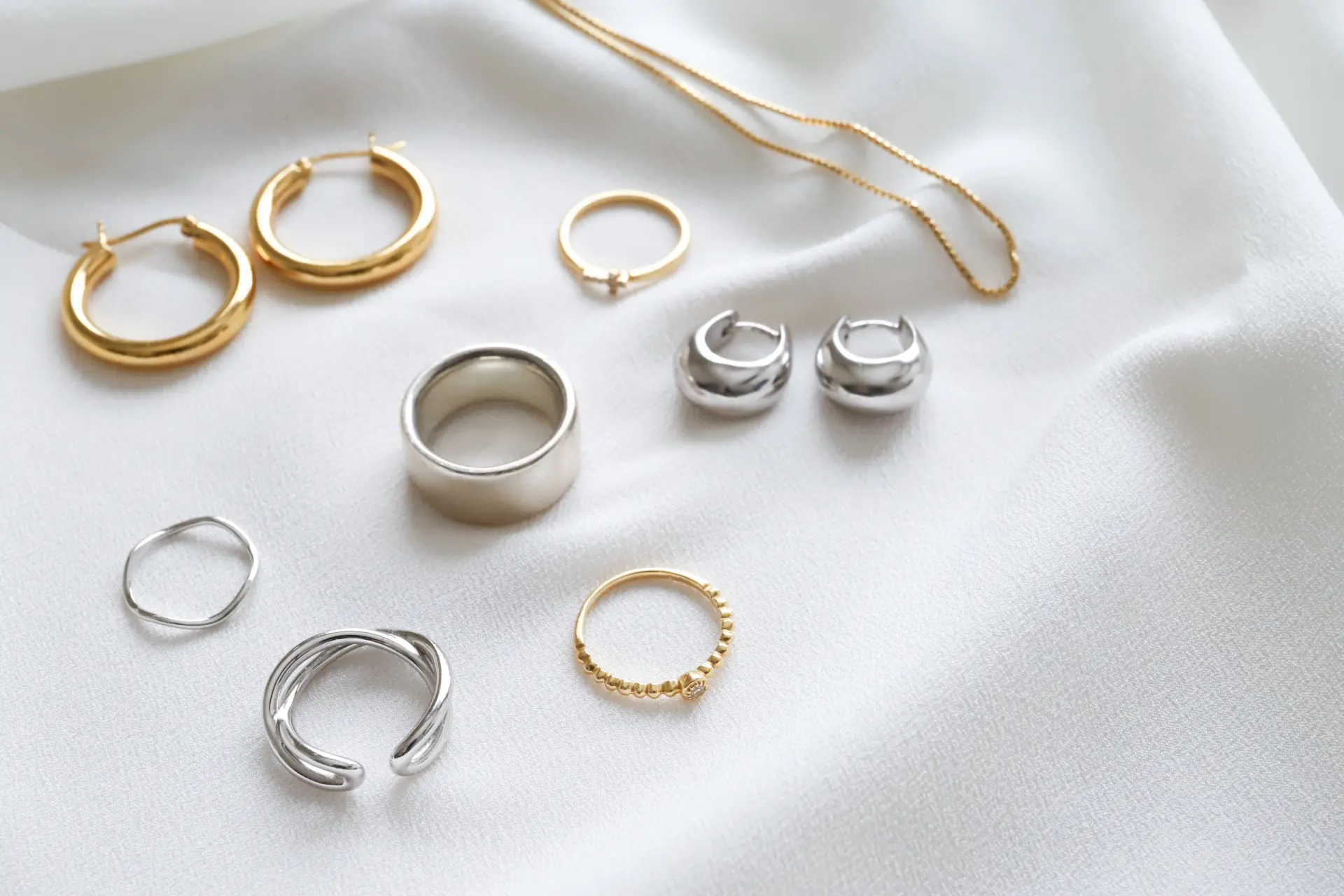
It is highly recommended that you remove accessories such as earrings, bracelets, and rings—especially those made of silver—as the minerals in the hot spring water can cause them to discolor or tarnish. Please be careful, as even if you do not submerge them in the water, simply being near the bath and coming into contact with the vaporized components can cause the color to change.
If your jewelry does become discolored, it is possible to restore it using chemical cleaning methods. However, considering the time and effort required, you likely won’t be able to fix it until after you return home.
Many Facilities Prohibit Tattoos
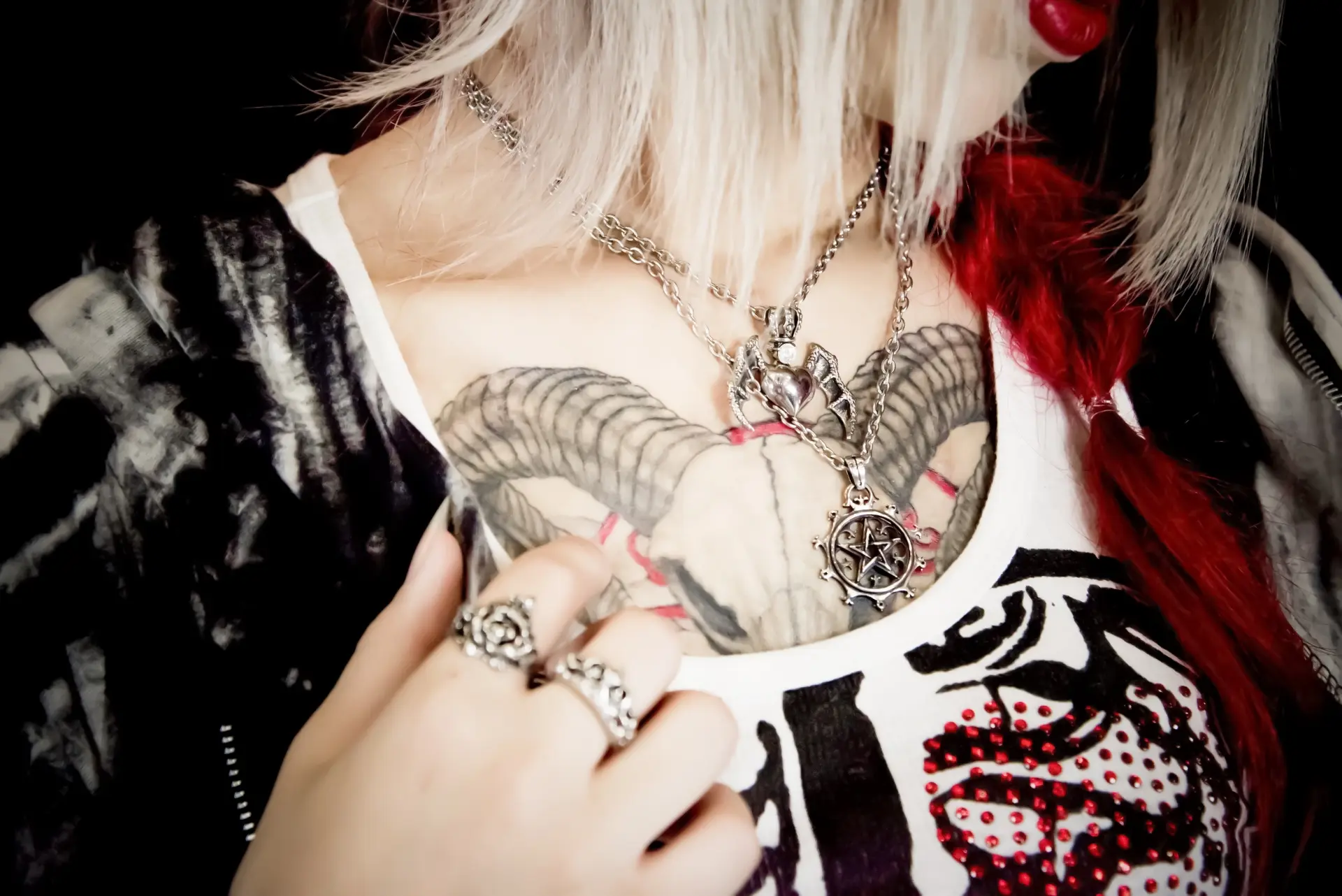
At many Onsen, entry is prohibited for those with tattoos. In Japan, tattoos were historically associated with anti-social forces or as a symbol of punishment for criminals, which has left a strong negative image. To ensure all guests can use the facilities without anxiety, many places refuse entry regardless of whether it is a traditional Japanese tattoo (wabori) or modern fashion tattoo.
In recent years, some Onsen have begun allowing guests with tattoos if they are covered with rash guards or waterproof stickers. Furthermore, tattoos are generally not an issue in private family baths or accommodation types where a guest room includes its own private open-air bath.
Please check the official website regarding tattoo policies, and if you are unsure, it is best to inquire in advance.
Caution for Those with Internal Organ or Skin Conditions
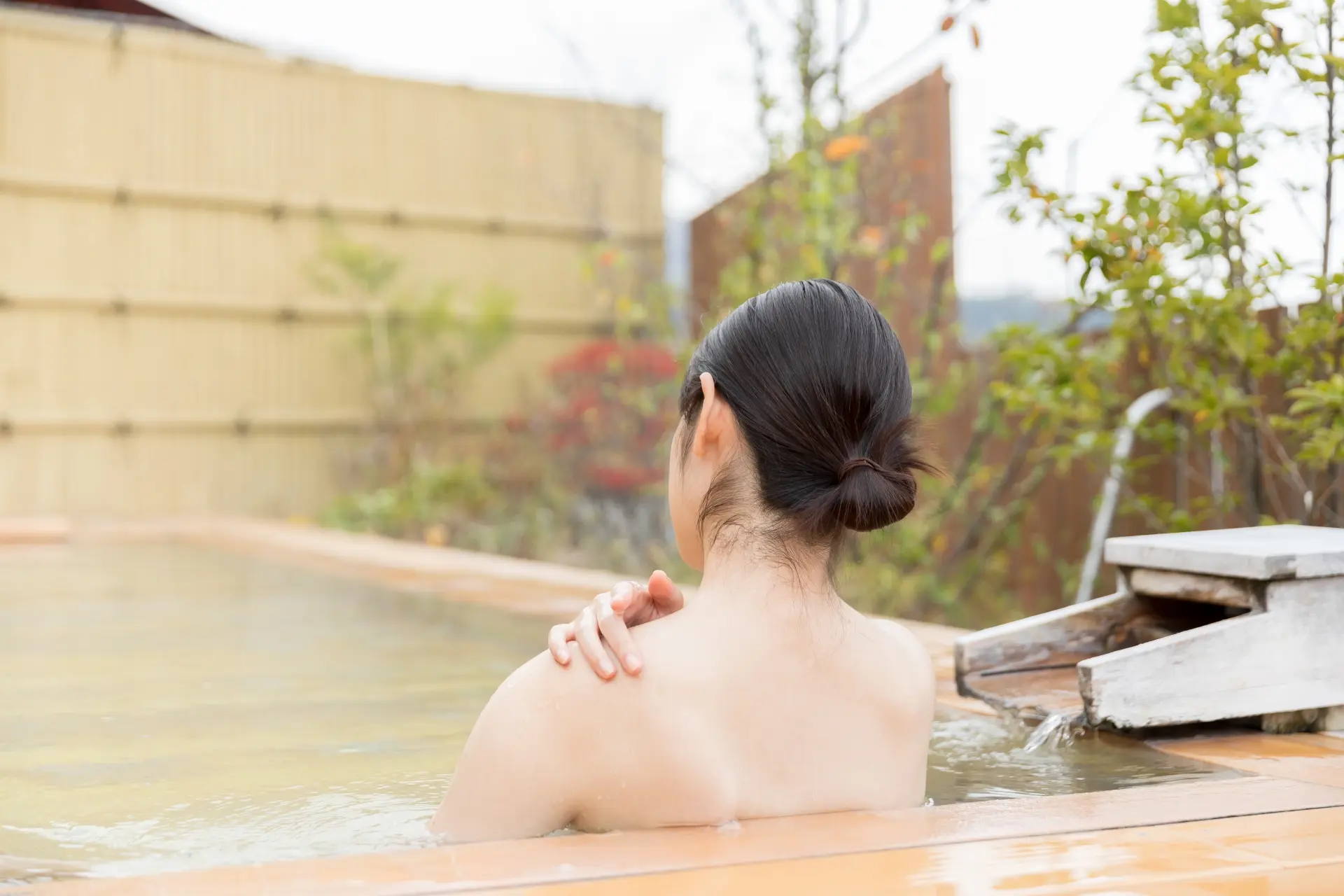
Japan has a culture called "toji" (hot spring cure), where people soak in Onsen to heal illnesses or injuries. In fact, many Onsen display their health benefits and indications.
However, there are conditions that may worsen by entering a hot spring. For example, if you have a fever, severe anemia, heart/lung/liver disease, or active bleeding, the increased blood circulation could aggravate your symptoms. Additionally, for strong onsen types like sulfur or highly acidic water, those with sensitive skin may experience irritation.
Some Onsen have taps for drinking the water, but since it may contain high levels of salt or potassium, those with dietary restrictions should be be mindful.
Furthermore, please wait a while before bathing after consuming alcohol, eating a large meal, or exercising, as these activities place a heavy burden on your blood vessels and internal organs.
Use Kakeyu to Rinse Off Sweat and Dirt Before Entering the Tub
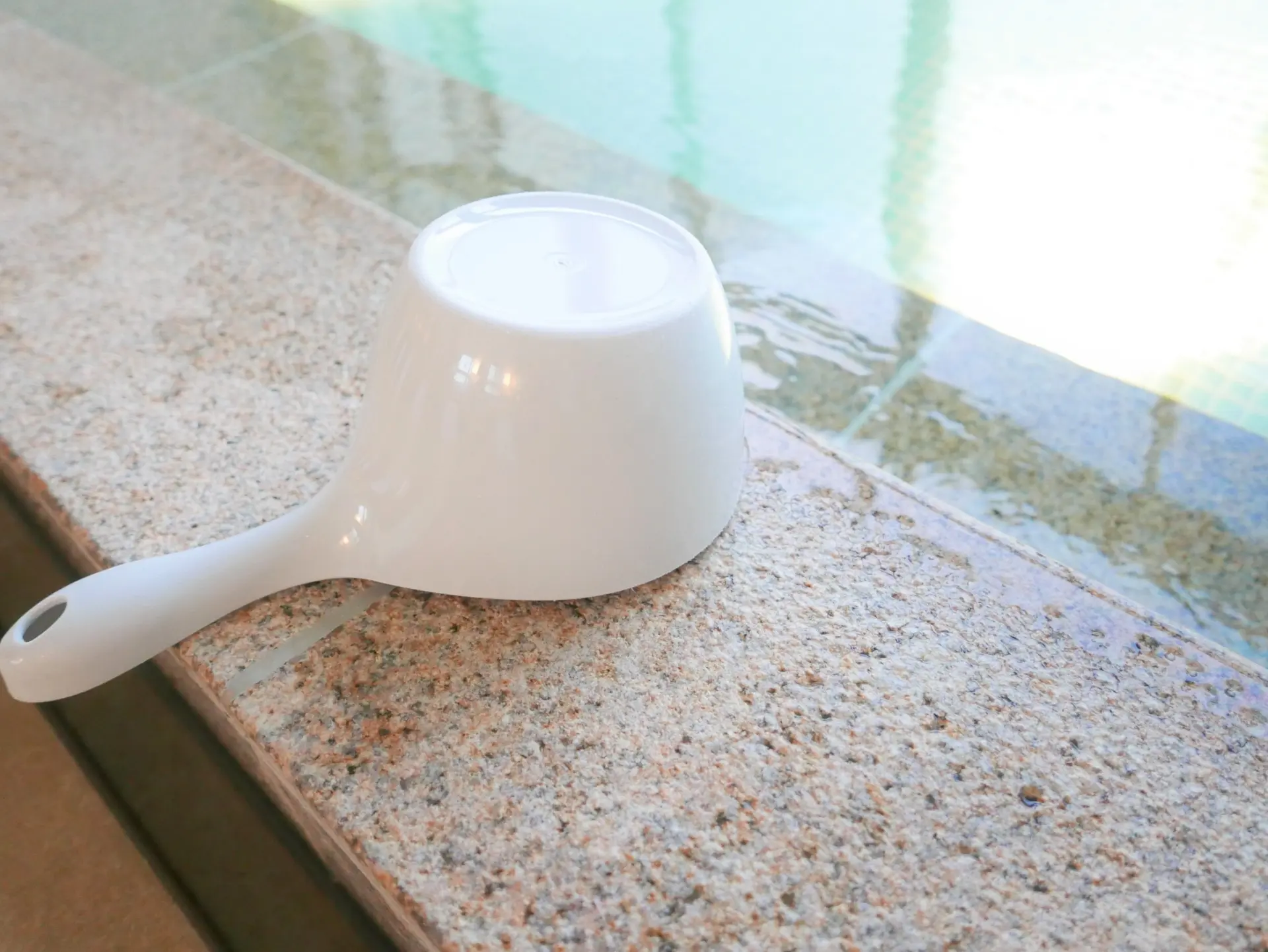
Before soaking in the bath, it is customary to perform kakeyu: rinsing the body by pouring water over yourself with a small bucket. This is a courtesy to keep the bath water clean by rinsing off sebum and sweat. Additionally, because Japanese onsen are often quite hot (above 40°C) and some minerals can be stimulating, pouring water starting from your hands and feet helps your body adjust to the temperature.
- Pour water over yourself in the area labeled "kakeyu (かけ湯)" near the entrance.
- Rinse your body in the shower or washing area.
Either of the above is fine. When rinsing, please be mindful not to splash water on those around you.
Do Not Put Towels or Hair in the Tub
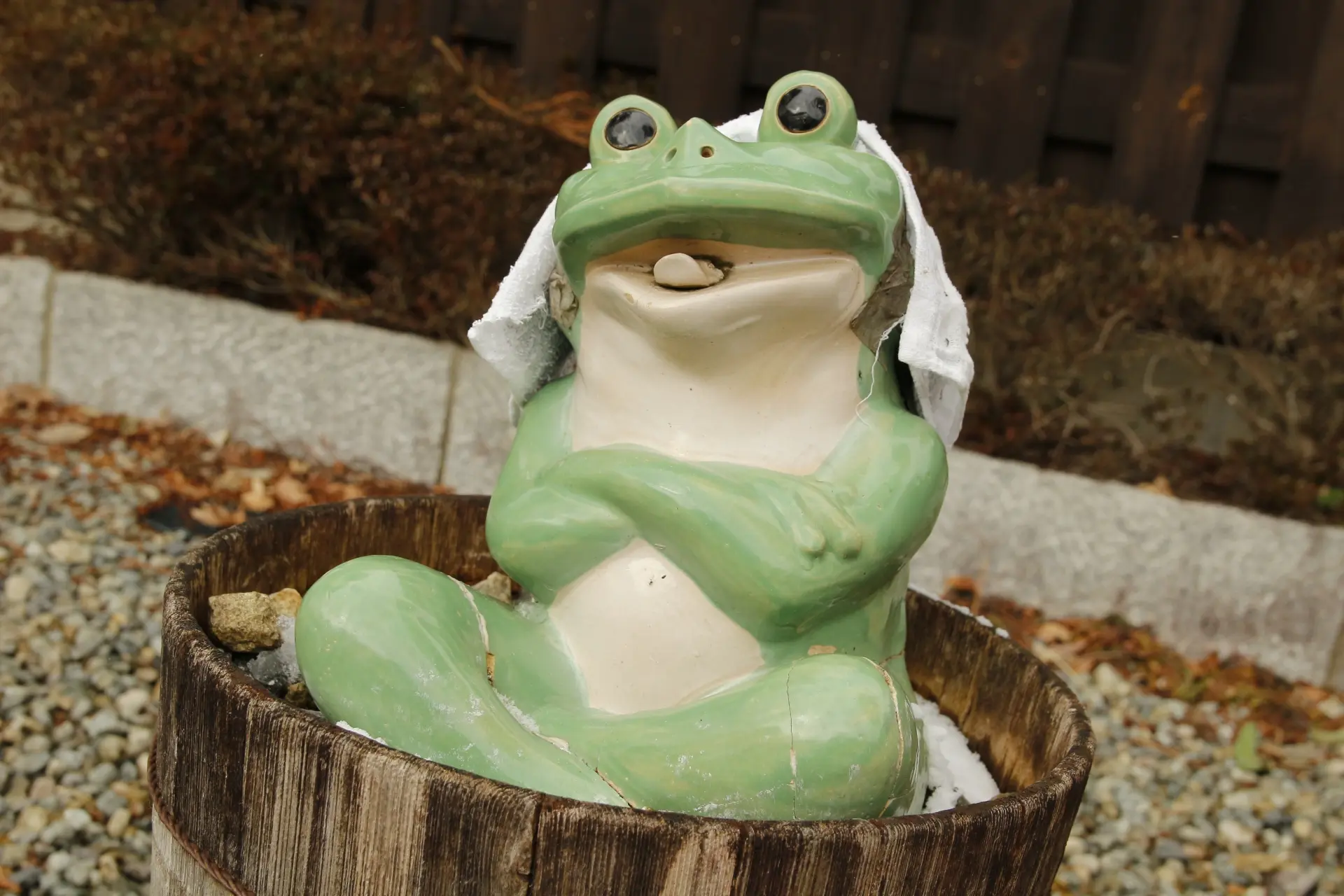
In anime or TV shows, you might see people bathing with a towel wrapped around their body, but in reality, entering the tub with a towel is prohibited for hygienic reasons.
However, many people feel self-conscious about being seen naked. You can bring a small towel (separate from your large bath towel) to cover yourself while walking or to wash with.
Just remember that dipping this towel into the bath water is a breach of etiquette. Place it in a spot where it won't get in the way, or hold it so it doesn't touch the water. Now you know why characters in Japanese anime often place a towel on top of their heads!
Note: Towels may be allowed in private baths or mixed-gender baths.
Shouting and Swimming are Against Etiquette
You might feel excited by the large tub, but talking loudly or swimming in the bath is not good behavior. While children may be overlooked, an adult doing this will likely receive cold stares from others.
Additionally, letting your hair touch the water or scrubbing your body to remove dead skin while inside the tub is unhygienic and prohibited. Those with long hair should bring a hair tie or scrunchie to keep it up.
Taking Breaks Makes Bathing More Effective
Once you are in the tub, take your time to warm your body. Depending on the facility, you might find jet baths or waters with different temperatures and benefits. Since there are other users, please share the space considerately.
At the onsen, taking breaks and soaking several times, a method known as bunkatsuyu, is considered more effective and less physically taxing than staying in the bath for extended periods. For example, soak for 5 minutes, take a break, then another 5 minutes, while making sure to stay hydrated. Alternating between a hot bath and a cold bath, a practice known as kotaiyoku, is also said to be effective in promoting blood circulation.
Be Mindful of Others When Washing Your Body
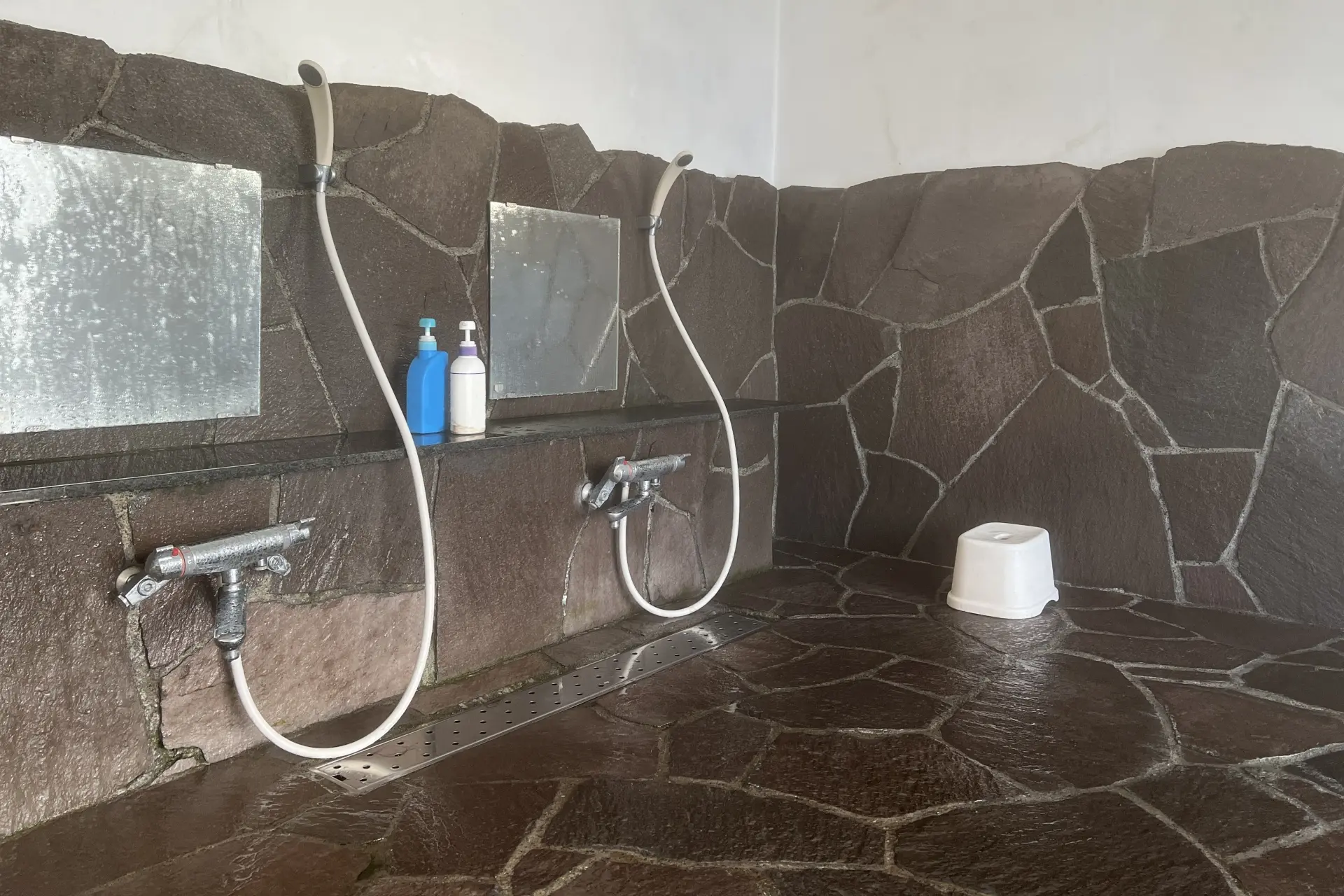
Generally, you can choose when to wash your body and hair. You can wash before bathing, but if the onsen water-type is very strong, scrubbing too hard beforehand may cause irritation or stinging. Remember to wash your body gently.
The washing stations should be shared fairly. When using the shower, be careful with the water pressure and angle so you don't splash others. After using a station, rinse away any hair or soap foam and return the stool and basin to their original positions. Consideration for the next person is important.
No Need to Shower After Leaving the Onsen
If you shower immediately after bathing, you will wash away the beneficial minerals from the onsen. Unless the spring water is particularly irritating to the skin, it is common to leave without a final rinse. Before returning to the changing room, wipe the excess water off your body so you don't leave the floor soaking wet.
If the vanity area provides lotion or cotton pads, feel free to use them. If you use a hairdryer, please do a quick clean of any fallen hair when finished. Don't forget to hydrate and take care of your skin!
Post-Bath Milk: A Staple of Japanese Culture
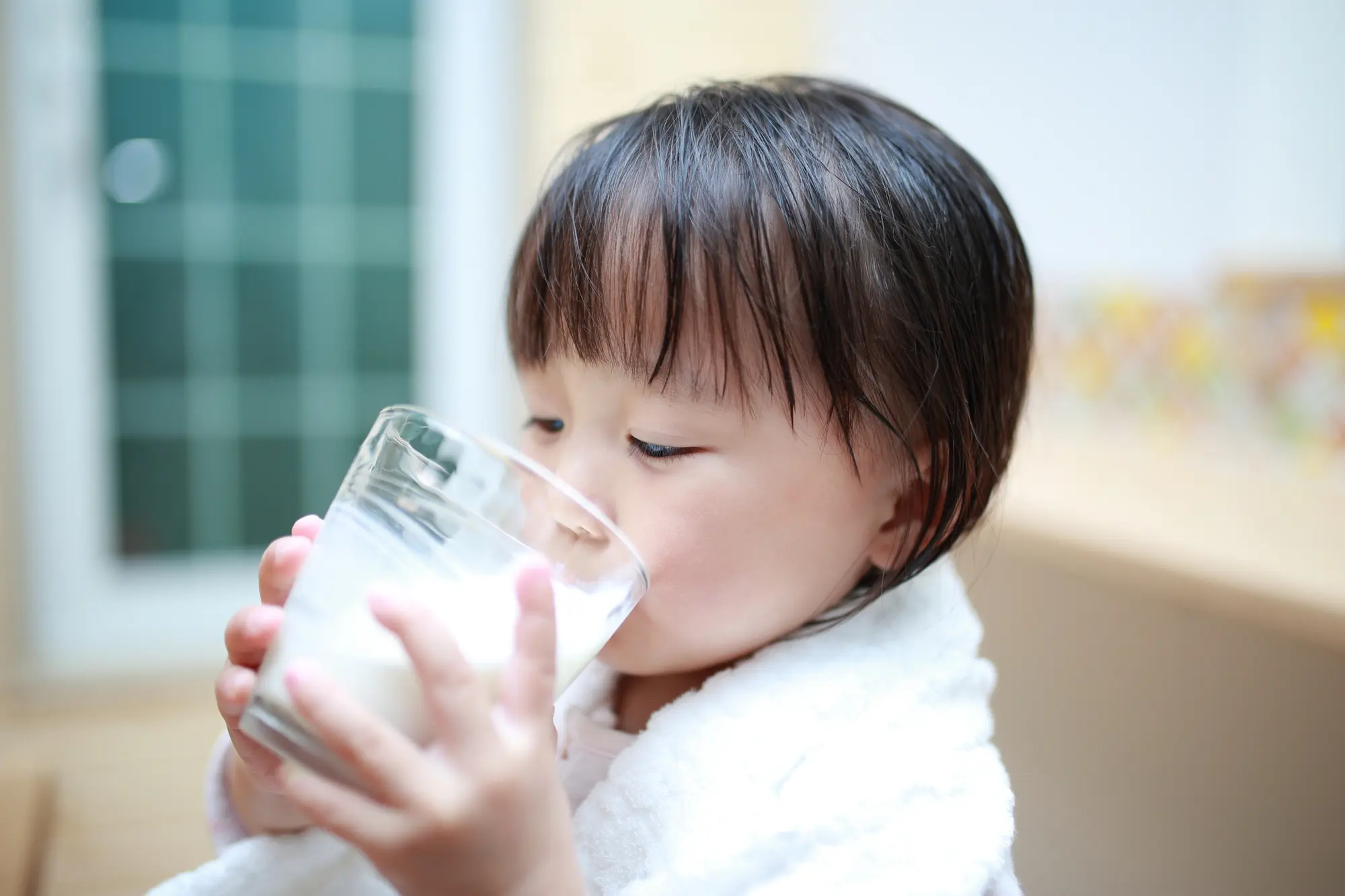
In anime, characters are often depicted drinking milk from glass bottles (like coffee milk or fruit milk) after a bath. In Japan, drinking bottled milk with one hand on your hip is the iconic post-bath pose.
While some younger generations may not practice this as much, older generations might smile if they see someone doing it.
Milk is perfect for replenishing moisture and minerals lost during the bath and is very refreshing. Although vending machines selling glass bottles are decreasing, they still have a strong presence in sento. If you see one, why not try it as a part of the Japanese cultural experience?