About Tokyo Station
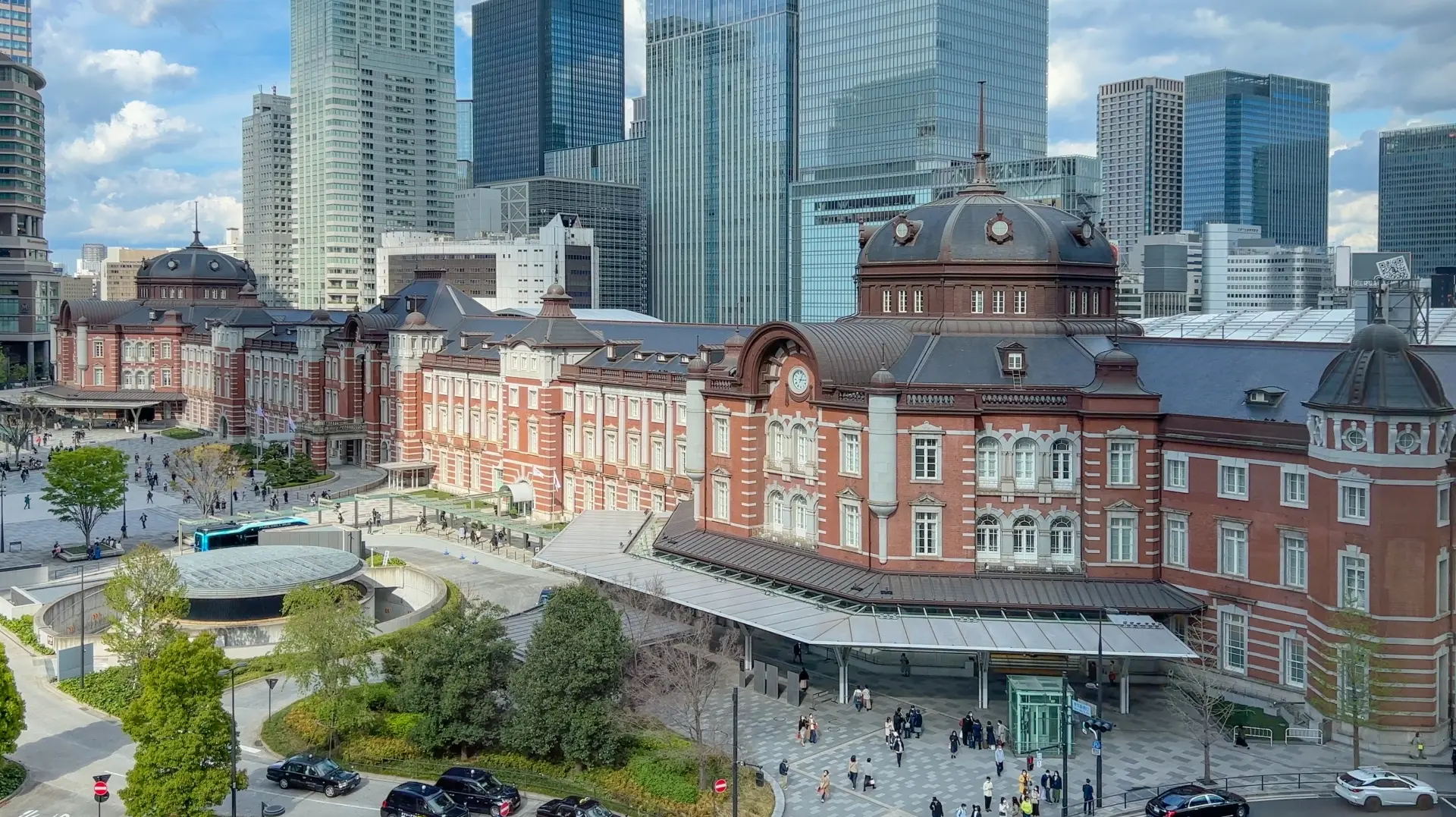
Tokyo Station is a massive terminal hub where numerous Shinkansen and conventional train lines converge, boasting the highest number of platforms in Japan. As of 2024, it serves approximately 1.26 million passengers daily.
In addition to being connected to Otemachi Station via underground passages, areas such as Ginza, Nihonbashi, Hibiya, Yurakucho, and Kanda are all within walking distance. While it is incredibly convenient for users of various transportation methods—including JR, subways, and buses—it is also notorious for being a place where it is very easy to get lost. This is because boarding areas for different lines, shops, and ground-level exits are scattered throughout multiple areas.
Available Lines
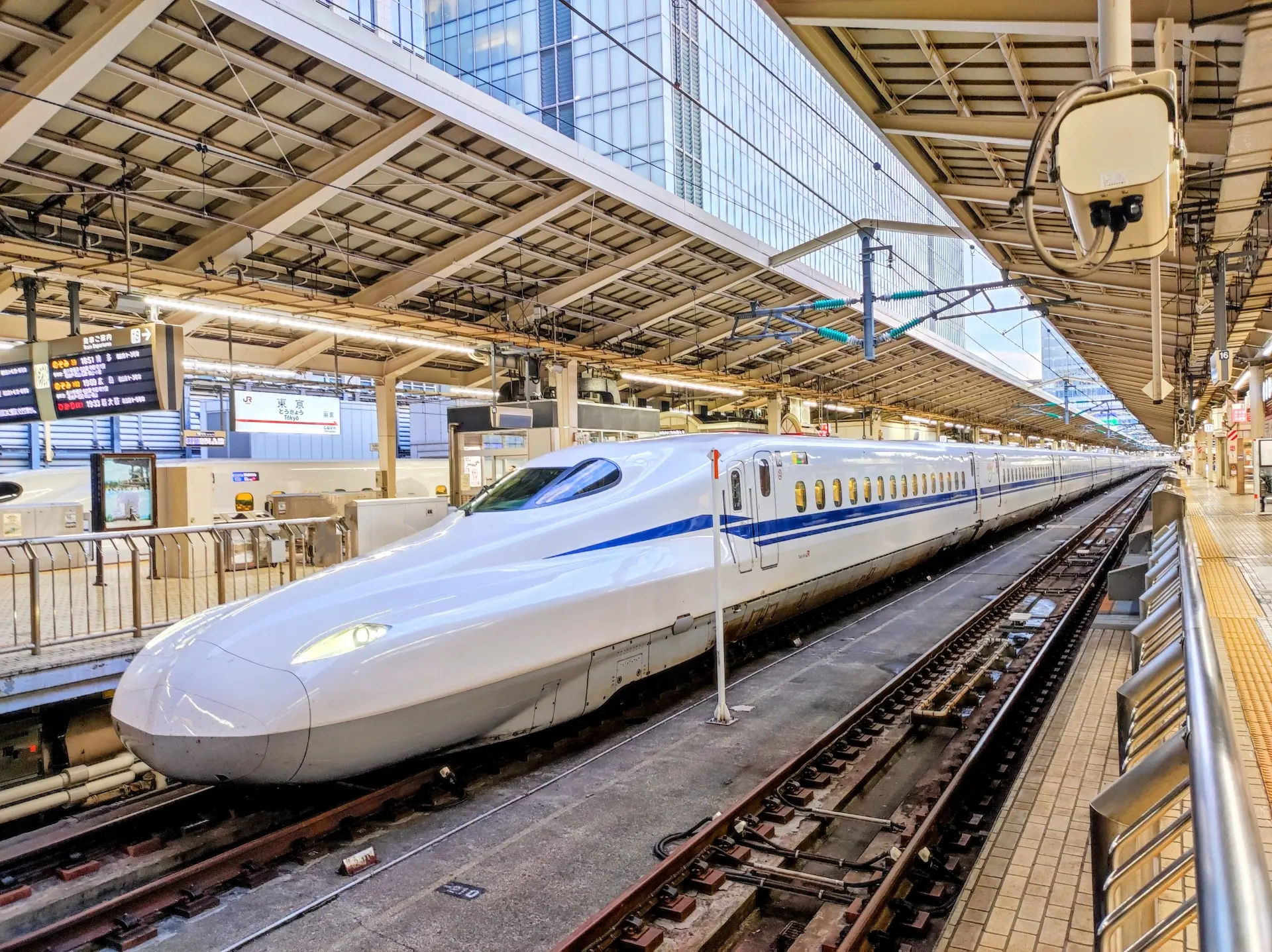
Shinkansen / Photo AC
Tokyo Station
- Shinkansen (Bullet Trains): Tokaido Shinkansen (including Sanyo Shinkansen), Tohoku Shinkansen (including Yamagata, Akita, Hokkaido, Joetsu, and Hokuriku Shinkansen).
- JR Lines: Yamanote Line, Keihin-Tohoku Line, Tokaido Line, Chuo Line, Yokosuka/Sobu Line (Rapid), Keiyo Line, Joban Line, Utsunomiya Line, Takasaki Line, Ueno-Tokyo Line, Musashino Line.
- Limited Express & Sunrise Express: Odoriko, Saphir Odoriko, Shonan, Sunrise Izumo, Sunrise Seto.
For Subways, Head to "Otemachi Station"
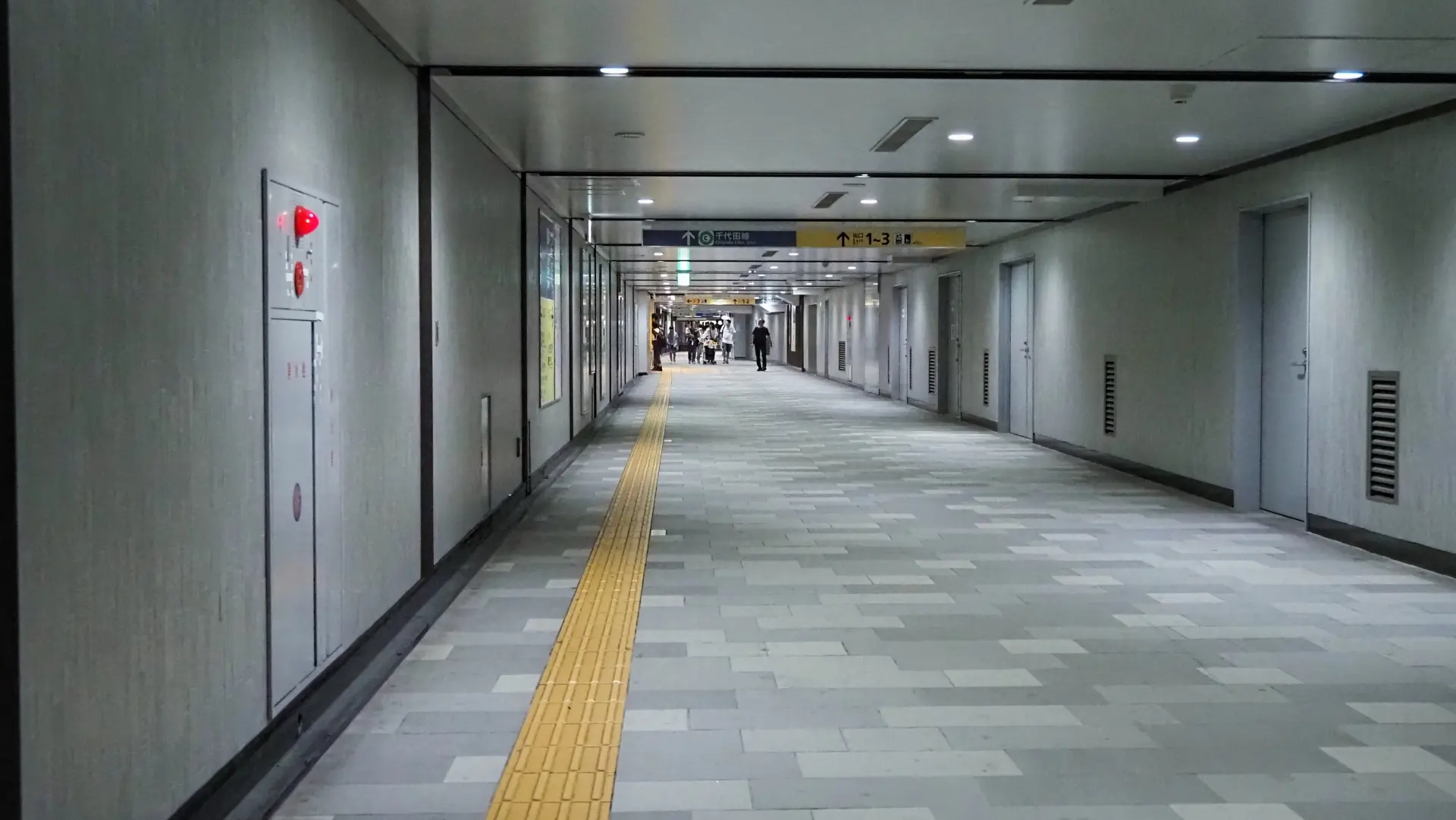
Ote machi Station to Tokyo Station Way / Photo AC
- Lines: Chiyoda Line, Hanzomon Line, Marunouchi Line, Tozai Line, Mita Line.
Tip: The Tozai Line platform is the closest to Tokyo Station; if you board Car 1, you can reach Tokyo Station almost immediately after alighting at Otemachi. Additionally, the Marunouchi Line also stops at "Tokyo Station." Because Tokyo Station is vast and the walk to Otemachi Station takes about 7 minutes, it is generally more convenient to use "Tokyo Station" for JR transfers and "Otemachi Station" for subway transfers.
Other Transportation
There are boarding points for Toei Buses, highway buses, overnight buses, Hato Bus (sightseeing), free shuttle buses, and taxis near Tokyo and Otemachi Stations. These are divided between the Marunouchi North/South Exits and the Yaesu South Exit, so please double-check your arrival/departure point before heading out.
Hotels and Museums Directly Connected to Tokyo Station
Tokyo Station Gallery
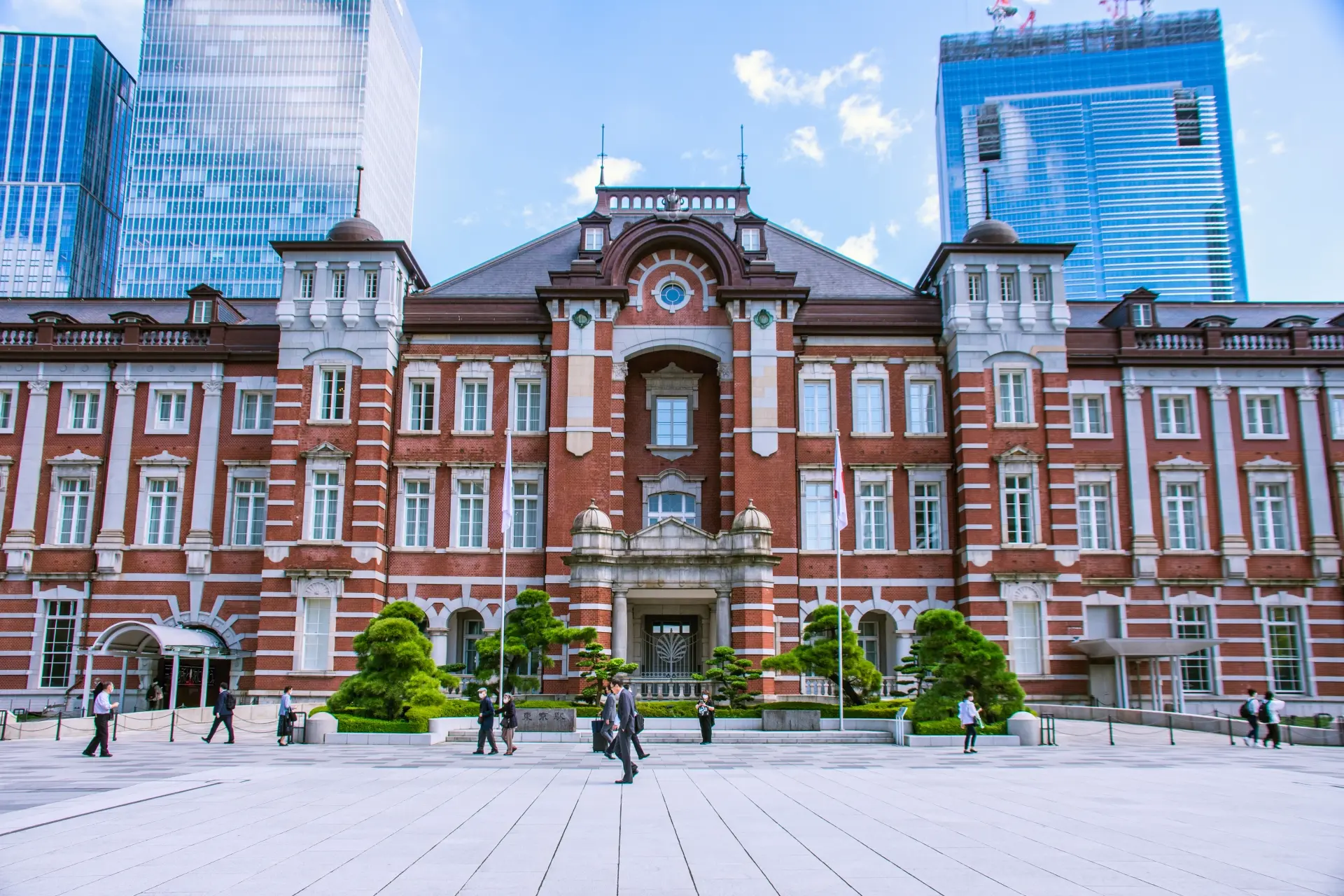
Opened in 1988, this museum is directly connected to the Marunouchi North Exit and features exhibitions of contemporary art and design. The exhibits change frequently with the seasons, ensuring a fresh experience no matter when you visit. The first floor serves as the entrance, while the second and third floors are the exhibition rooms. The first and second floors retain the original construction style from when the building was first created. Designed by Kingo Tatsuno, it was originally built as a steel-framed brick structure. The gallery also features dioramas and archival materials that look back at the history of Tokyo Station and the city, allowing visitors to truly feel the evolution of Japan's urban landscape.
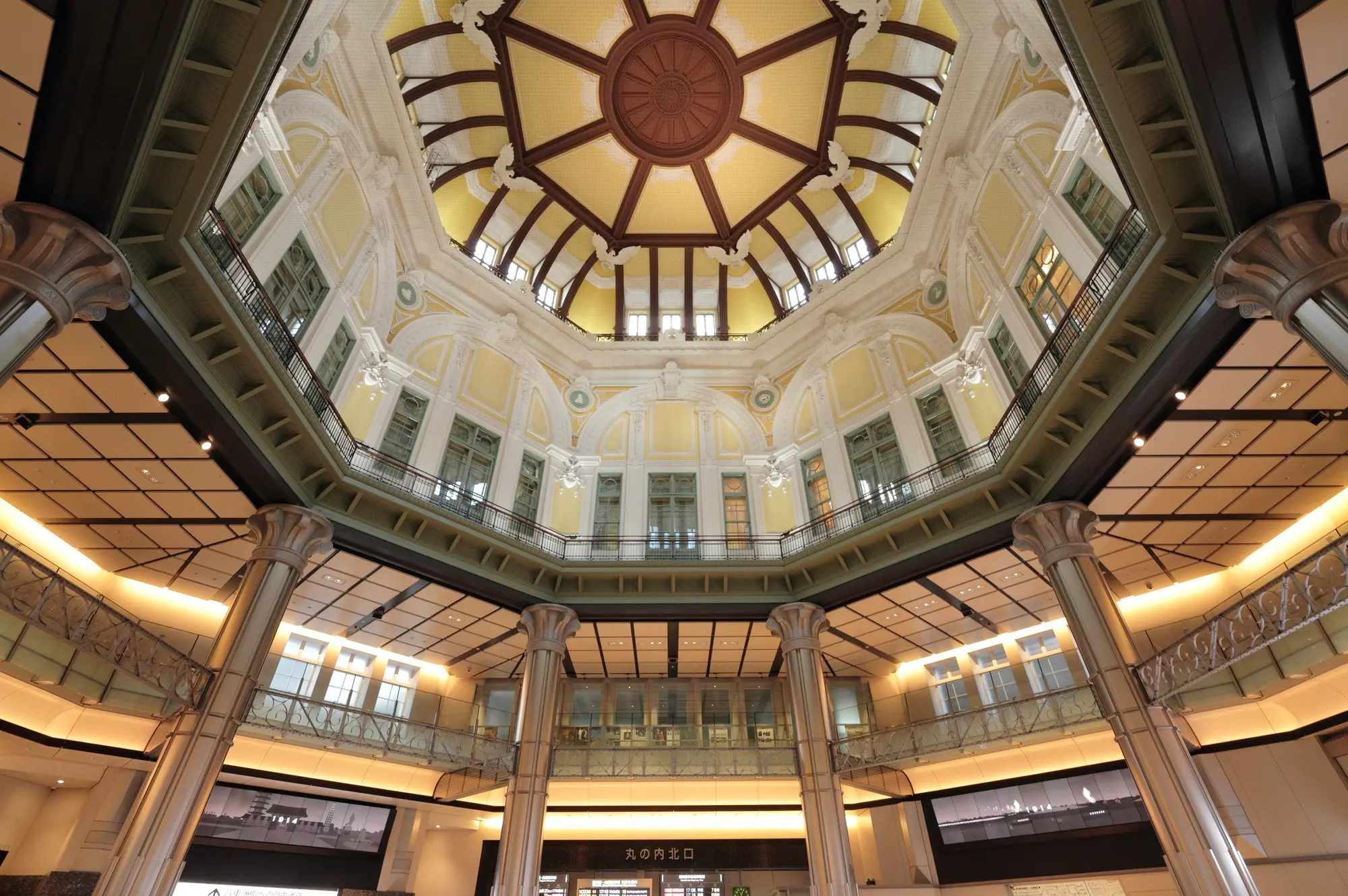
Tokyo Station Gallery / PIXTA
The Marunouchi building of Tokyo Station has been restored to its original state, allowing visitors to see the beautiful domed ceilings with intricate decorations and powerful plaster sculptures. The zodiac reliefs that were originally attached to the octagonal ceiling were also restored based on designs by a professor from the Tokyo University of the Arts.
Tokyo Station Hotel
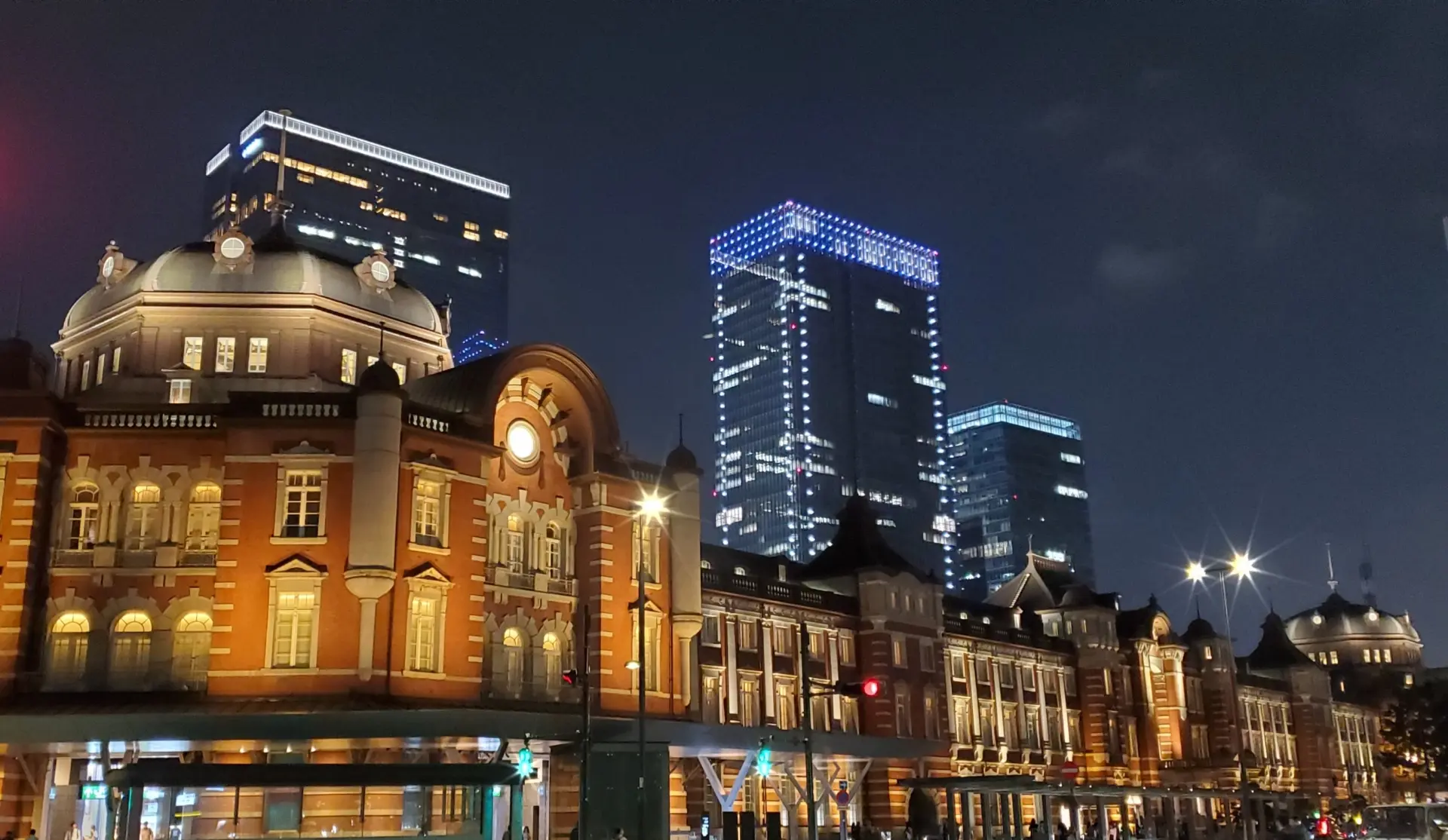
Tokyo Station Hotel / Photo AC
A hotel with a history spanning over 100 years. It opened in 1915, one year after Tokyo Station itself, and has welcomed prestigious guests from both Japan and abroad. The beef stew, supervised by the third general manager, Takejiro Ioki, is a famous hotel specialty; it was reintroduced with a modern arrangement when the hotel reopened in 2012. It is also a place beloved by many literary figures. Seicho Matsumoto’s Points and Lines and Yasunari Kawabata’s On Women (Onna de aru koto) were written here, and the hotel rooms even appear in Edogawa Ranpo’s The Fiend with Twenty Faces.
Check Booking.com for more detail.
Hotel Metropolitan Marunouchi
Directly connected to the Tokyo Station Nihonbashi Exit, this hotel allows guests to enjoy the Tokyo cityscape and night views from high-floor rooms (27th to 34th floors). At "Dining & Bar TENQOO" on the 27th floor, you can enjoy French cuisine that incorporates Japanese ingredients and elements in a space with an "Edo" atmosphere. A highlight for railway fans is the authentic N-gauge model (a small-scale model with 9mm rail spacing) in the lobby, which reproduces the area around Tokyo Station. There are also "Train View" rooms where you can watch the Shinkansen and conventional trains coming and going.
Check Booking.com for more detail.
Suica Penguin Goods
The penguin appearing in Chiharu Sakazaki's picture books became a massive hit after being chosen as the promotional character for "Suica," the IC transportation card issued by JR East. While a wide variety of "Suica Penguin" goods have been developed since 2001, it has been announced that the character will "graduate" at the end of fiscal year 2026.
At Tokyo Station, you can find a wide range of Suica Penguin items, including stationery, letter sets, kitchen accessories, plush toys, tenugui (hand towels), furoshiki (wrapping cloths), fashion goods, and even food. There are cookies and stickers perfect for small souvenirs, as well as practical everyday items like folding umbrellas, aprons, tote bags, and T-shirts.
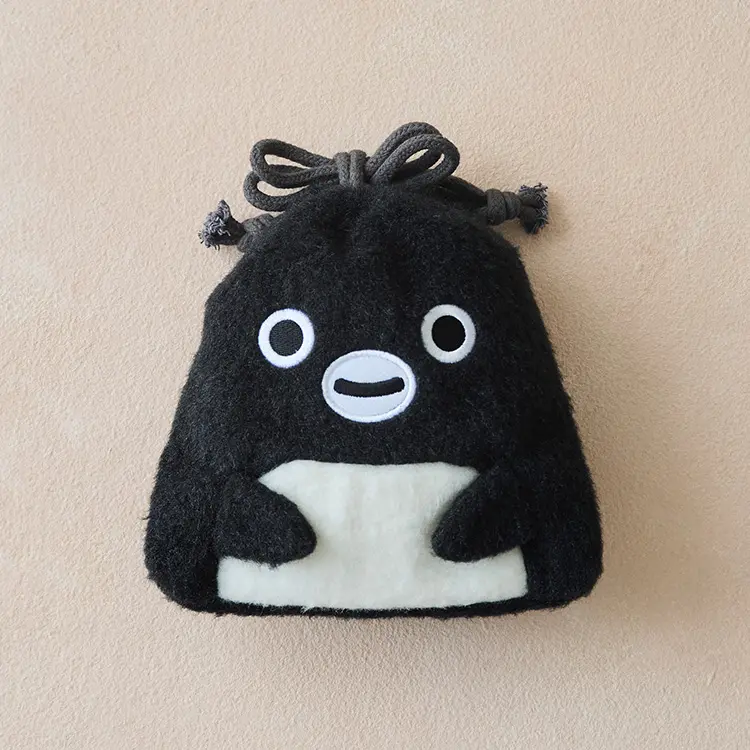
You can also find special collaboration items with IC card characters from other regions or traditional Japanese art like Choju-giga (Scrolls of Frolicking Animals). Depending on the season, limited quantities of Suica Penguin-themed Christmas cakes, hors d'oeuvres, and chocolates are also sold. Since a new character is expected to debut after 2026 and it is unclear if the current merchandise line will continue, it is highly recommended to grab these items now if you are interested.
Tokyo Station Limited Souvenirs
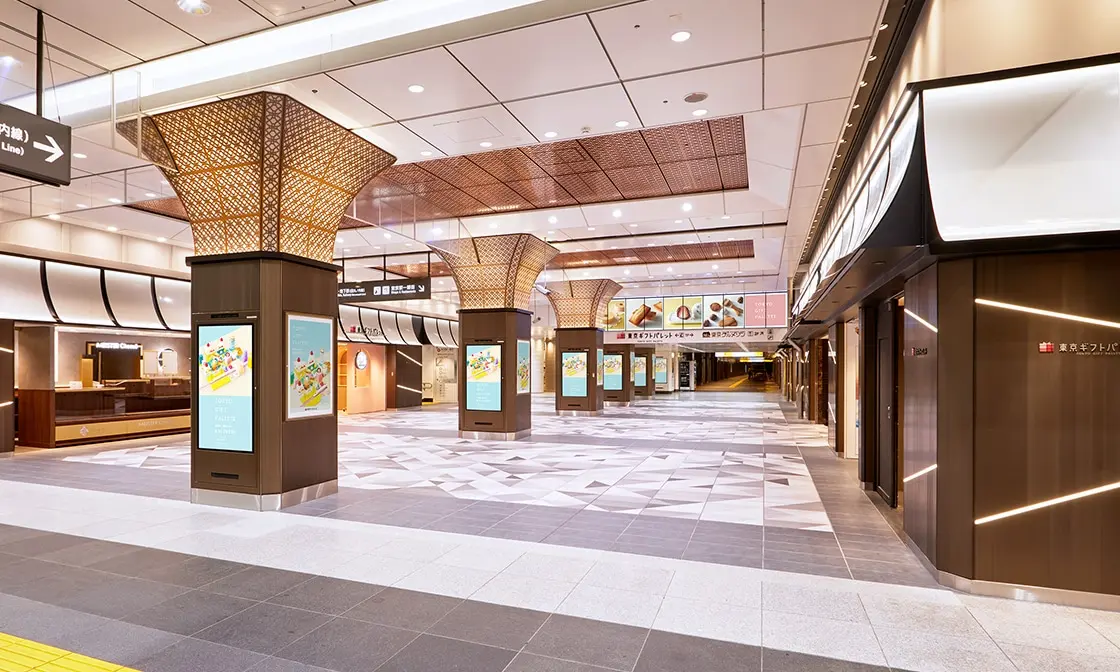
Note: As of January 2025 Tokyo Station has various shops both inside and outside the ticket gates. Here are some "Tokyo Station Limited" products specifically found in the shops inside the ticket gates.
R.L waffle cake / Tokyo Station Limited Waffle 10-Piece Set
"R.L waffle cake" is a waffle specialty shop established in 1991, creating treats with a Japanese sensibility. The "Tokyo Station Limited Waffle 10-Piece Set," featuring a package illustrated with the Marunouchi station building, contains five exclusive flavors found only in this set, making it an ideal souvenir.
Atelier Ukai / Fours Secs Assortis Tokyo Station Limited (8 pieces)
These delicate cookies started as the petits fours served after meals at the restaurant "Ukai-tei." Their flavor, which highlights the quality of the ingredients, is popular across all age groups.
Toraya / TORAYA TOKYO Limited Small Yokan
A product from "Toraya," a long-established Wagashi (Japanese confectionery) shop founded in the late Muromachi period with a history of about 500 years. As a purveyor to the Imperial Household, their sweets are a staple for celebrations and gifts. The "Yoru no Ume" (Night Plum) variety, featuring the Tokyo Station Marunouchi building on the package, has a long shelf life and can be stored at room temperature, making it safe for long journeys. Toraya also sells seasonal Yokan with delicate designs reflecting the changing seasons, as well as baked goods like Dorayaki.
Calbee+ × Tokyo Banana / Jaga Boulda
An "evolved" potato chip born from a collaboration between Calbee and Tokyo Banana. Popular for its crispy exterior, light interior texture, and delicate seasoning, it comes in standard flavors like "Bonito and Kelp Umami Dashi" and "Beef Dashi and Wasabi," as well as seasonal flavors. The "Potigella," inspired by the Italian flatbread "Tigella," is also a popular choice.
Kiyoken / Shiumai
The signature product of Yokohama-based "Kiyoken." The "Vacuum-Packed Shiumai" lasts for about five months at room temperature. For immediate consumption, there are "Traditional Shiumai (Room Temperature)" which expires the same day, and "Long-Lasting Deliciousness Traditional Shiumai (Refrigerated)" which lasts for about two weeks. These bite-sized dumplings are designed to taste delicious even when cold. The "Traditional Shiumai (Room Temperature)" includes a "Hyo-chan" soy sauce bottle designed by manga artist Ryuichi Yokoyama; you will receive one of 48 different designs.
Lunch Boxes to Buy at Tokyo Station: "Ekiben"
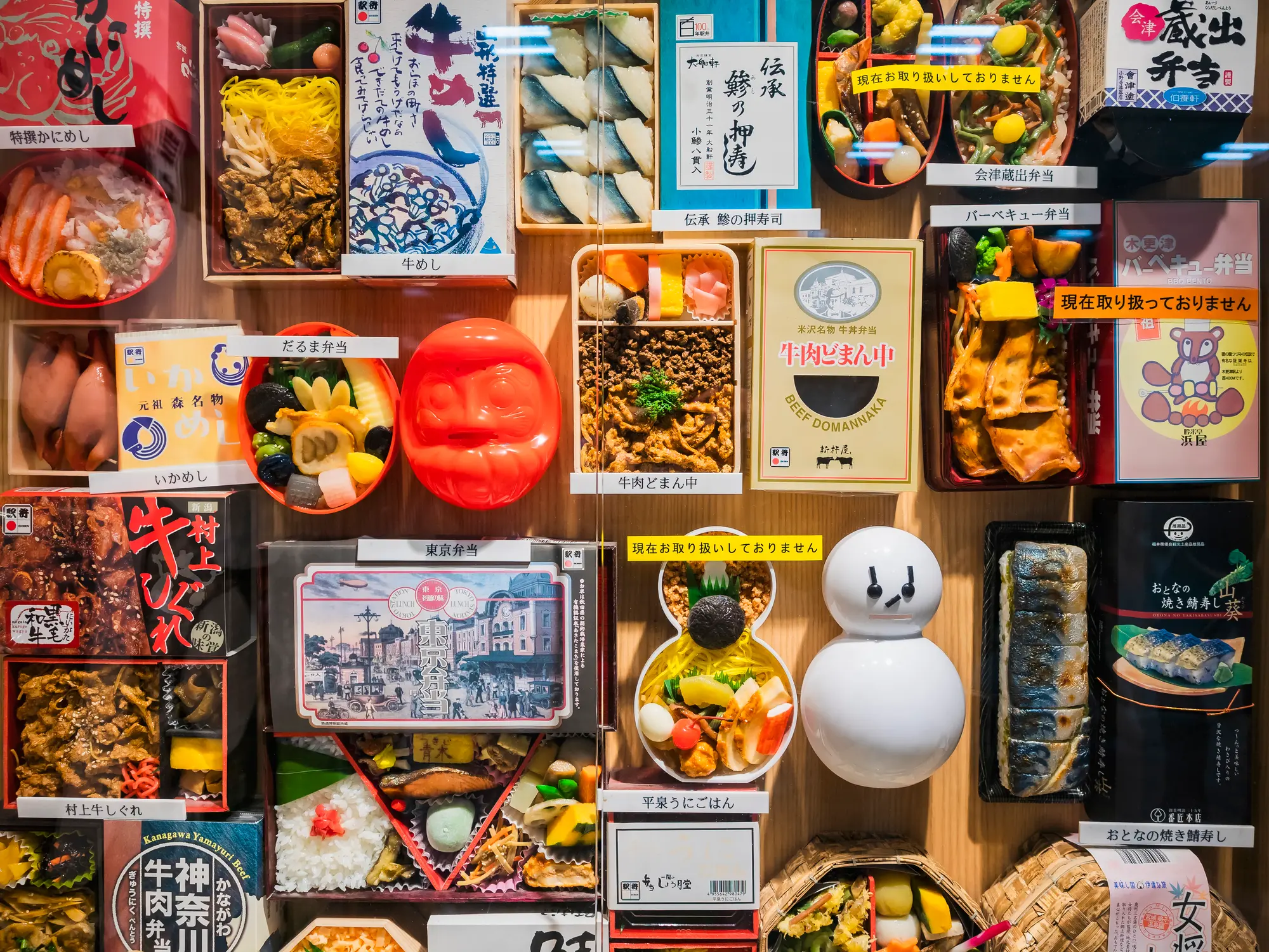
A lot of Ekiben / PIXTA
One of the joys of traveling in Japan is the "Ekiben" (station bento). Recently, the variety has grown even further, with "self-heating" bento boxes that warm up when you pull a string.
Inside the Tokyo Station ticket gates, shops like "Matsuri" and "Odori", which stock Ekiben from across the JR East jurisdiction, are very popular. The lineup includes Japanese, Western, and Chinese options, such as:
- Gyuuniku Domannaka: An incredibly popular beef bento from the Yamagata Shinkansen.
- Charcoal-Grilled Style Gyutan Bento: Enjoy Sendai’s famous beef tongue while it's steaming hot.
- Fukagawa-meshi: A specialty of Tokyo's traditional downtown (shitamachi) area.
- Shinkansen E7 Series Bento: Featuring a cute package shaped like a bullet train.
- Chicken Bento: A long-selling product that debuted in 1964 alongside the Tokaido Shinkansen.
- Kiyoken Shiumai Bento: A familiar Yokohama favorite.
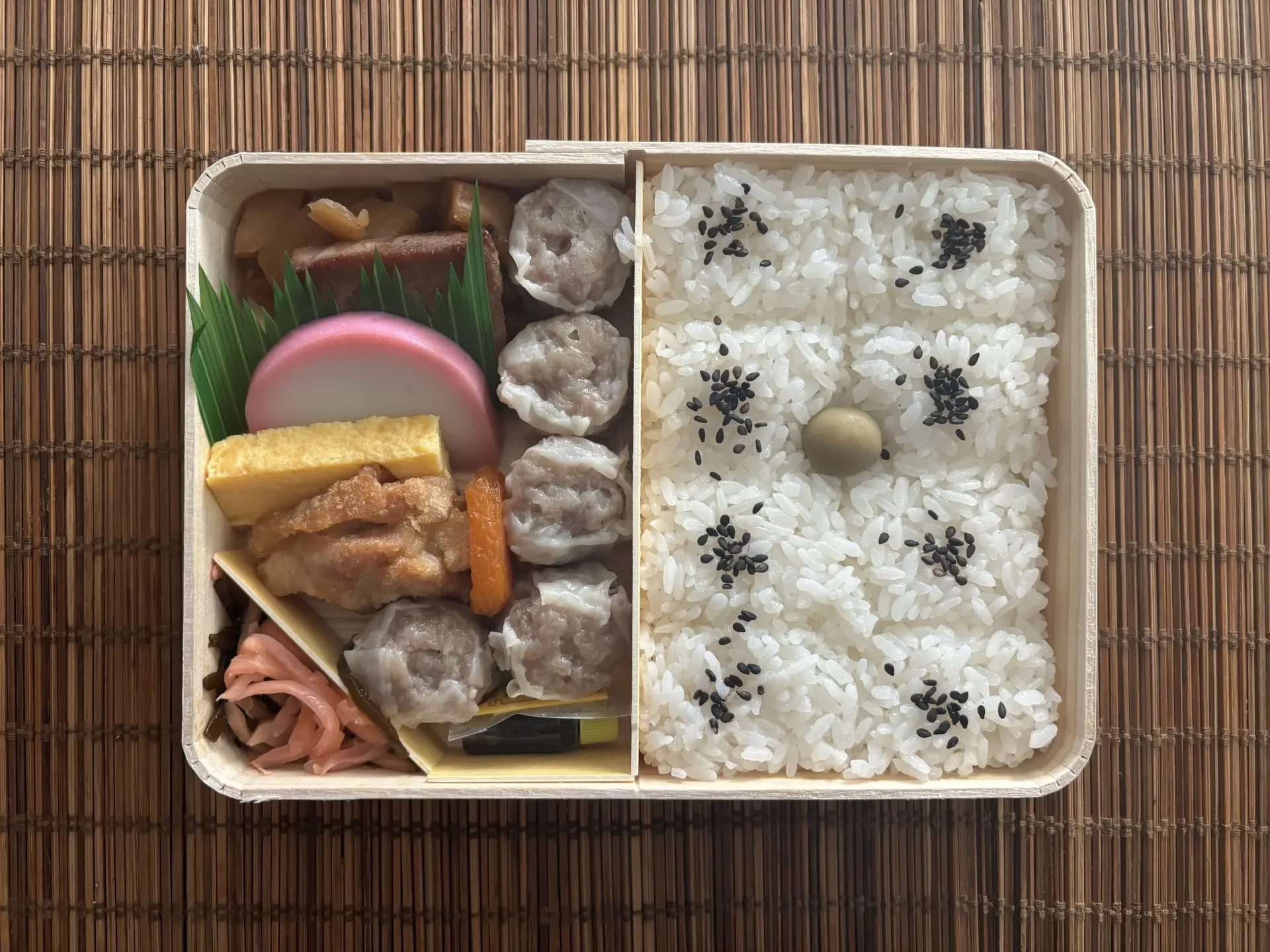
Shumai Bento / Photo AC
Many shops within Gransta Tokyo also sell their own original Ekiben, allowing you to enjoy the flavors of long-established or famous restaurants at an affordable price. These include Sukiyaki bento from "Asakusa Imahan", Tenmusu (small rice balls with shrimp tempura, originally from Mie Prefecture) from "Jiraia", as well as seafood bowls and nigiri sushi. Furthermore, on the Shinkansen platforms managed by JR Central, there are "JR Central Passengers" (JRCP) kiosks that sell their own unique selection of bento boxes.
Would you like me to look up the specific locations of any of these shops or provide more details on how to navigate to the Shinkansen gates?
Loading map...