Oshu
奥州市
Things to Do in and Around Oshu
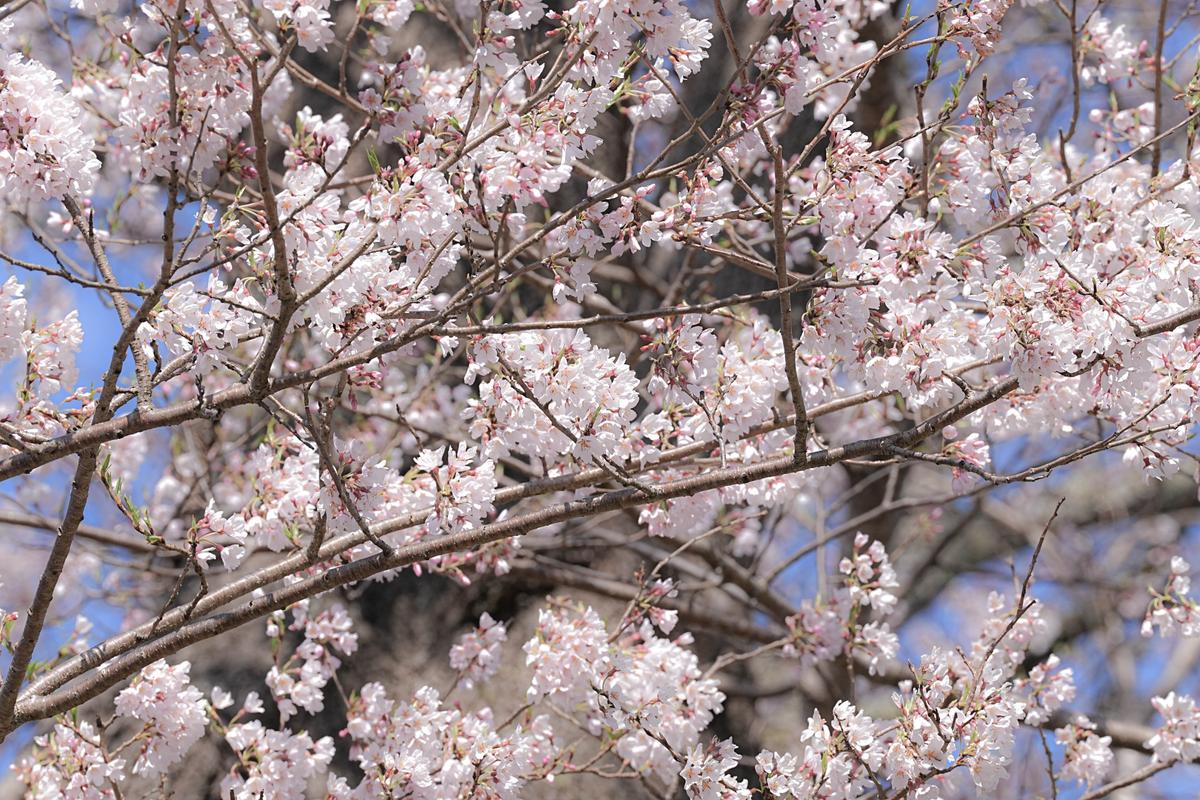
Oshu City is located in the southern part of Iwate Prefecture. It boasts a variety of attractions, such as the Mizusawa area, which was a castle town during the Edo period, and the Yuda and Yumoto areas, known for their hot springs. The natural scenery is also remarkable, with maple and cherry blossoms being emblematic trees representing Oshu City.
Places to visit in Oshu
Where is Oshu?
Oshu City is located in the southern part of Iwate Prefecture, a region rich in nature with the Kitakami River flowing through the center of the city. It borders Hanamaki City to the north, Nishiwaga Town in Waga District to the west, Ichinoseki City and Tono City to the east, and Kanegasaki Town and Hiraizumi Town to the south. The city was formed in 2006 by the merger of Mizusawa City, Esashi City, Maesawa Town, Isawa Town, and Koromogawa Village, covering an area of approximately 993 square kilometers.
Within the city, there are plains and mountainous areas, with the Isawa Plain being particularly known as one of the leading grain production areas in the Tohoku region.


Getting Around
The nearest station to Oshu City is Mizusawa-Esashi Station on the Tohoku Shinkansen, approximately 2 hours and 30 minutes from Tokyo. For getting around the city, you can also use Mizusawa Station or Maesawa Station on the JR Tohoku Main Line.
Using a rental car or a chartered taxi is recommended, as having a car allows you to efficiently visit the city's tourist spots.
There are also local buses, but since they run infrequently, checking the timetable in advance is essential. For foreign tourists, English maps are available at the tourist information center in front of the station.
Loading map...
About Oshu
Oshu City is located in the southern part of Iwate Prefecture, a region where rich nature and history thrive. Here are some unique features of this area.
Heritage of Hiraizumi Culture
Oshu City is adjacent to the World Heritage site "Hiraizumi," and serves as a cultural heritage site that conveys the prosperity of the Oshu Fujiwara clan. The Isawa Castle Ruins, in particular, are important historical sites that tell the story of ancient Tohoku. Built as a base for the conquest of the Emishi during the Heian period, the ruins convey the grandeur of that era.
Home of Maesawa Beef
Oshu City's Maesawa district is known as the production area of "Maesawa Beef," a top-grade brand of beef that Japan prides itself on. With its finely marbled texture and unique flavor, Maesawa Beef continues to captivate gourmets both domestically and internationally. There are many specialty stores in the local area where you can enjoy the authentic taste of Maesawa Beef.
Traditional Craft "Nambu Ironware"
Oshu City's Mizusawa district is also famous as a production area for Nambu Ironware. This traditional craft, with a history of over 400 years, is noted for its unique black luster and excellent functionality, attracting attention from around the world. Cooking utensils such as iron kettles and pots are said to become more flavorful with use and are cherished for their long-lasting quality.
Esashi Apple Village
Oshu City's Esashi district is known for producing high-quality apples. The "Sun Fuji" variety, in particular, is characterized by its exquisite balance of sweetness and acidity, and its crisp texture. In autumn, the apple orchards turn a vibrant red, and visitors can enjoy the experience of apple picking.
Treasure Trove of Hot Springs
Oshu City is home to several hot springs with different water qualities, including Yuda Onsen Gorge and Maesawa Onsen. Yuda Onsen Gorge, in particular, has long been cherished as one of the "Three Famous Hot Springs of Oshu," and the view from the open-air baths surrounded by rich nature is exceptional. It is an ideal place to soothe the fatigue of travel.
Treasure Trove of Traditional Performing Arts
Oshu City is home to many traditional performing arts of the Tohoku region, such as deer dances and sword dances. The "Kuroishidera Sominsai," held every August, is a traditional event with a history of over 1,300 years and is designated as an Important Intangible Folk Cultural Property of Japan. The heroic dance and unique chants are overwhelming to behold.