Shiga
滋賀県
Start here
What to know about Shiga
Japan’s Largest Lake: Lake Biwa
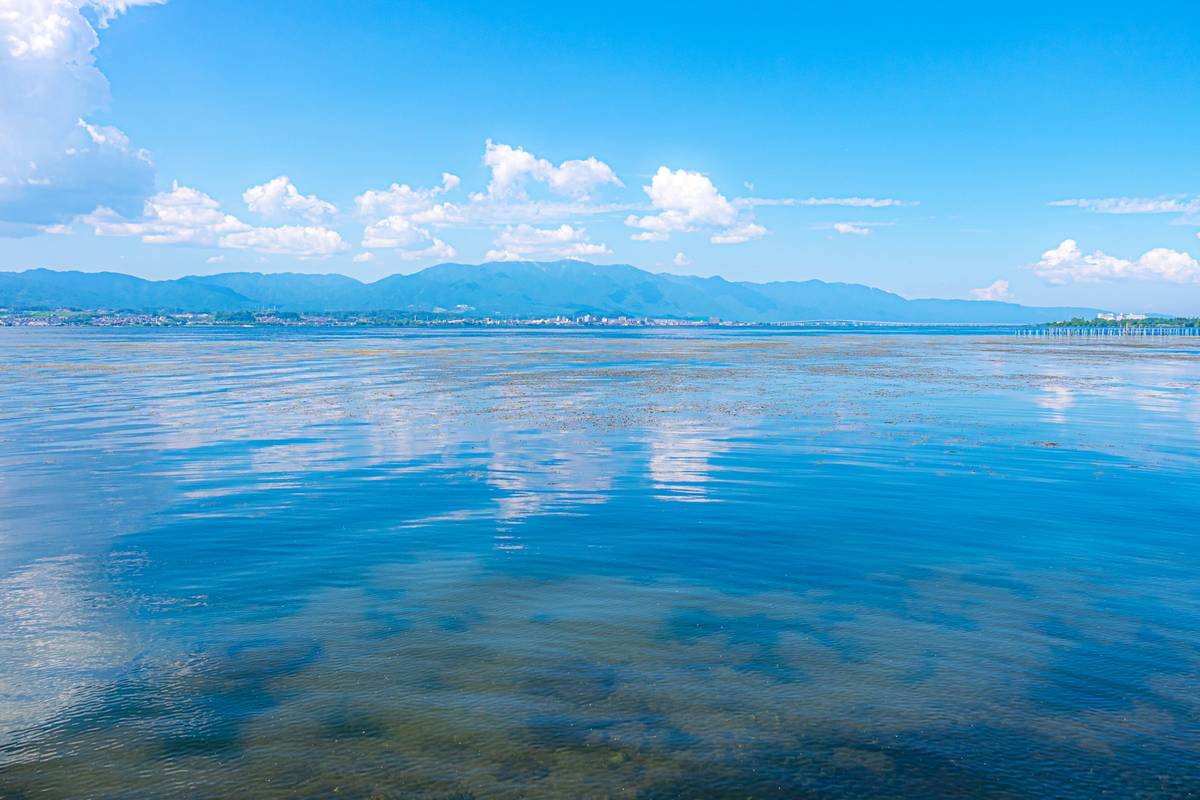
Biwa Lake / Photo AC
Lake Biwa boasts a surface area of 670 square kilometers and a water volume of about 27.5 billion tons, and is widely known as Japan’s largest lake.
More than 1,700 species of living creatures inhabit the lake, and over 60 of these are endemic species found only in Lake Biwa.
You can enjoy marine activities such as canoeing and stand-up paddleboarding (SUP) on Lake Biwa, and there are also plenty of sightseeing boats and glamping facilities, offering a wide variety of ways to have fun for people of all ages.
Experience Koka Ninja at Koka-no-Sato Ninjutsu Village
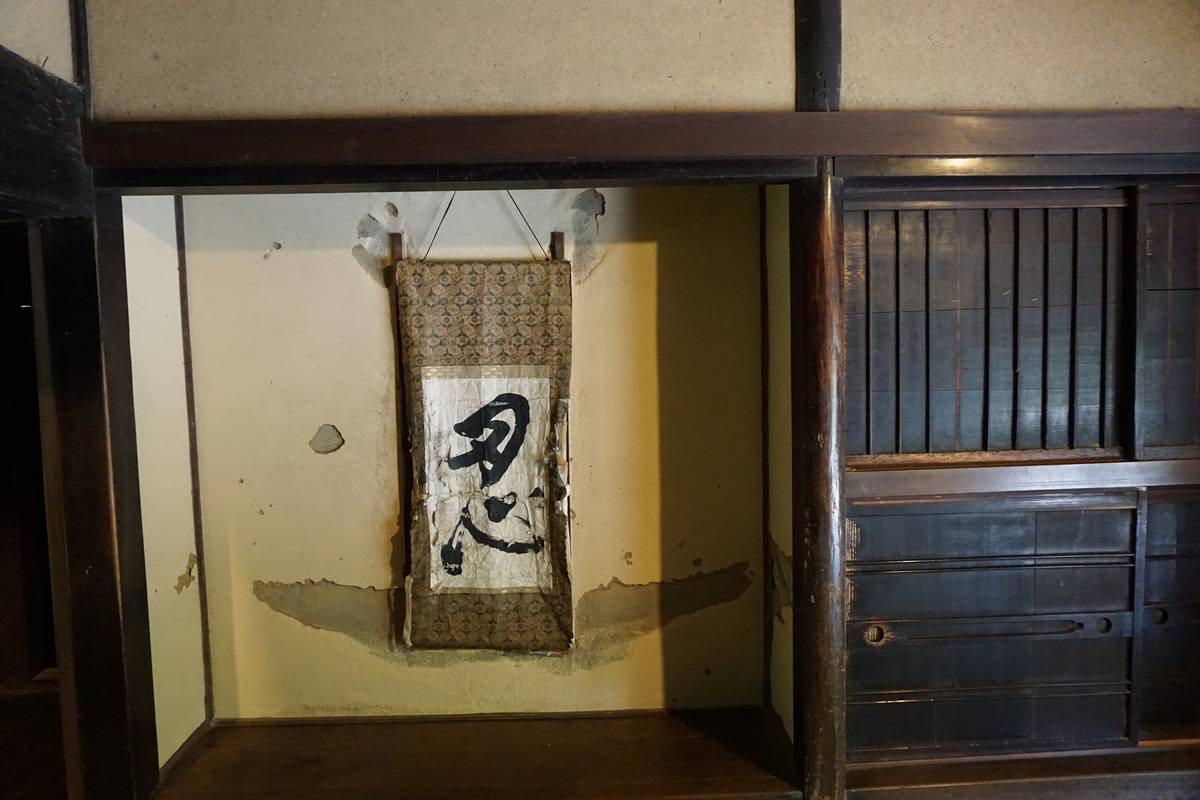
Ninja Karakuri Yashiki / PIXTA
In Koka City, Shiga Prefecture, there is a tourist spot called Koka-no-Sato Ninjutsu Village where you can experience the world of Koka ninja. Here, you can rent ninja costumes and enjoy activities such as shuriken throwing and ninja training, and you can also enter a trick-filled ninja house packed with hidden mechanisms.
Furthermore, at the Koka Ninja Museum, which houses the world’s largest collection of ninja-related materials, you can view ninja weapons, code books, and more. Ninja fans will not want to miss the ninja goods available as souvenirs, including shuriken and ninja costumes.
UNESCO World Cultural Heritage Site: Hieizan Enryakuji Temple
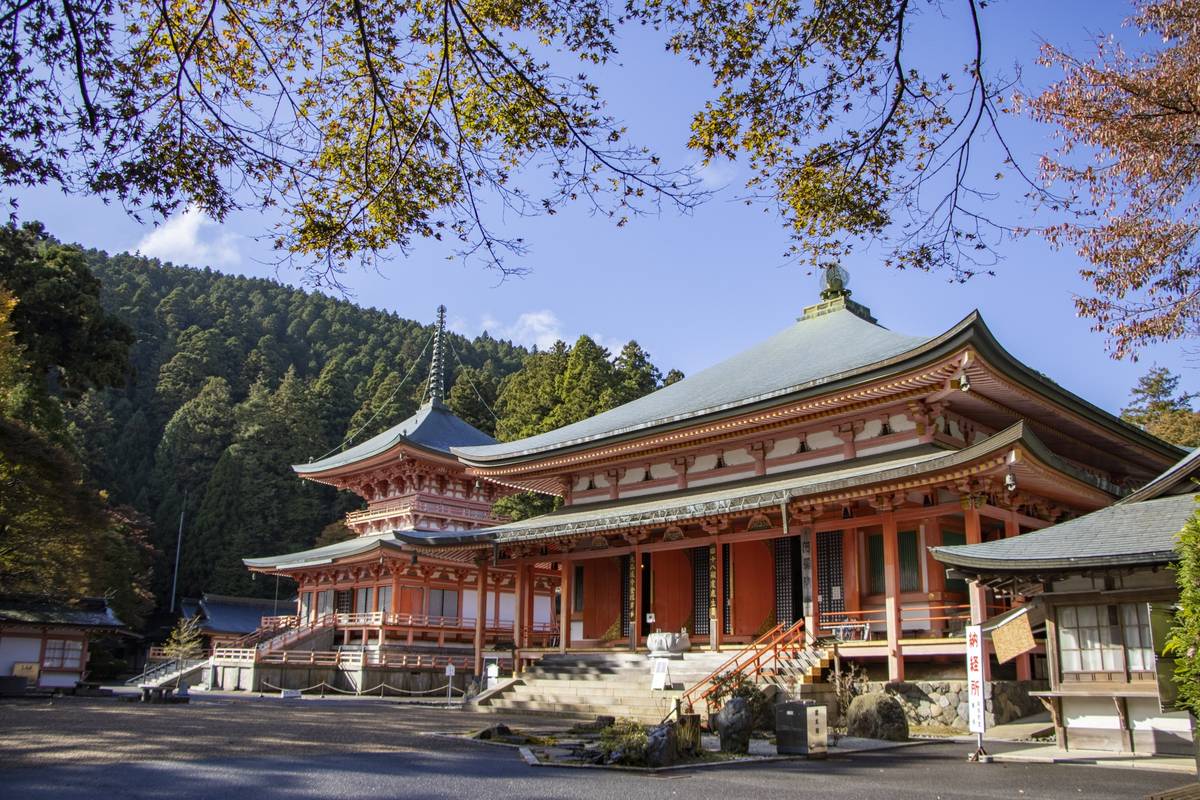
Hiezan Enryakuji Temple / Photo AC
Located in Otsu City, Shiga Prefecture, Hieizan Enryakuji Temple is a vast temple complex whose precincts encompass the entirety of Mount Hiei, which has an elevation of 848 meters.
The temple straddles the border between Shiga Prefecture and Kyoto Prefecture, and from the grounds you can enjoy sweeping views of Lake Biwa and the cityscape of Kyoto, a feature that makes it popular with many worshippers and tourists.
The historical and cultural value of Hieizan Enryakuji Temple has been highly recognized, and it was inscribed as a UNESCO World Cultural Heritage Site in December 1994.
Location
Where is Shiga?
Shiga Prefecture is one of the prefectures in the Kinki region, located on the western side of Japan, and it belongs to the Kansai region, which consists of 2 urban prefectures and 4 prefectures. The prefectural capital is Ōtsu City, and as of January 2026, the total population is approximately 1.4 million.
The most notable feature of Shiga Prefecture is Lake Biwa, which occupies roughly one-sixth of the prefecture’s total area. Lake Biwa supplies drinking water and industrial water to Kyoto Prefecture and Osaka Prefecture, and is therefore also called the “Water Jar of Kinki.”
Shiga is surrounded by multiple prefectures: Fukui Prefecture to the north, Gifu Prefecture to the east, Mie Prefecture to the southeast, and Kyoto Prefecture to the west. Among these, Shiga has had particularly strong ties with Kyoto Prefecture since ancient times, as both belong to the Kinki/Kansai region. Taking the first characters of Kyoto and Shiga, the area is called “Keiji,” and both are included in the Kyoto metropolitan area. In addition, it is very close in terms of transportation: using JR, it takes about 10 minutes to travel from Ōtsu Station to Kyoto Station, so there are many people who live in Shiga Prefecture while commuting to work or school in Kyoto Prefecture.
Furthermore, Shiga Prefecture is one of only eight of Japan’s 47 prefectures that do not face the sea, yet thanks to Lake Biwa it has as many as 20 fishing ports, a nationally rare characteristic.
Loading map...
Access
Getting to Shiga
Since Shiga Prefecture does not have its own airport, the most convenient access is via Osaka International Airport (Itami Airport) in Osaka Prefecture. In addition, Kansai International Airport and Chubu Centrair International Airport in Aichi Prefecture can also be used as airports that offer relatively easy access to Shiga Prefecture.
The travel time from Osaka International Airport to Otsu Station in Otsu City, Shiga Prefecture, is approximately 1 hour and 20 minutes.
For sightseeing within the prefecture, trains and buses are convenient. Because many sightseeing spots are located a short distance from the nearest station, it is efficient to first take a train to the closest station and then transfer to a bus, getting off near the sightseeing destination.
Local pride
Specialty Products
Shiga Prefecture is blessed with abundant nature, including Lake Biwa, and is a region where a wide variety of ingredients are produced. The quality and flavor of these products are highly regarded, on par with local specialties from all over Japan.
In the food sector, Omi beef, which has also attracted attention from overseas, is especially famous, as are local dishes that use lake fish raised in Lake Biwa. In addition, thanks to its rich natural environment, the area produces many fresh vegetables and fruits, making it full of culinary appeal.
Furthermore, Shiga Prefecture is home to many traditional handicrafts, such as Shigaraki ware and Hikone Buddhist altars, both of which are widely known throughout Japan.
Food
Crafts & Others
Through the ages
History of Shiga
In Ōtsu City, which is the current prefectural capital of Shiga Prefecture, there was a municipality called “Shiga-gun Ōtsu Town” during the Meiji era. This is considered to be one of the origins of the prefectural name “Shiga Prefecture.” The name was changed to Shiga Prefecture in 1872, when the former name Ōtsu Prefecture was replaced. There are various theories about the name “Shiga,” including that it comes from shika, meaning a place with many stones or rocks, and suka, meaning a sandbank or low-lying wetland.
In the past, transportation access was poor, and until before World War II it was not uncommon for people to move from Shiga Prefecture to places such as Tokyo or Osaka. However, after the Pacific War, transportation convenience improved, and Ōtsu City and Kusatsu City developed as bedroom communities for people working at companies in Kyoto Prefecture and Osaka Prefecture, leading to population growth.
Continue exploring
Discover other areas and hidden gems across Kinki Region.