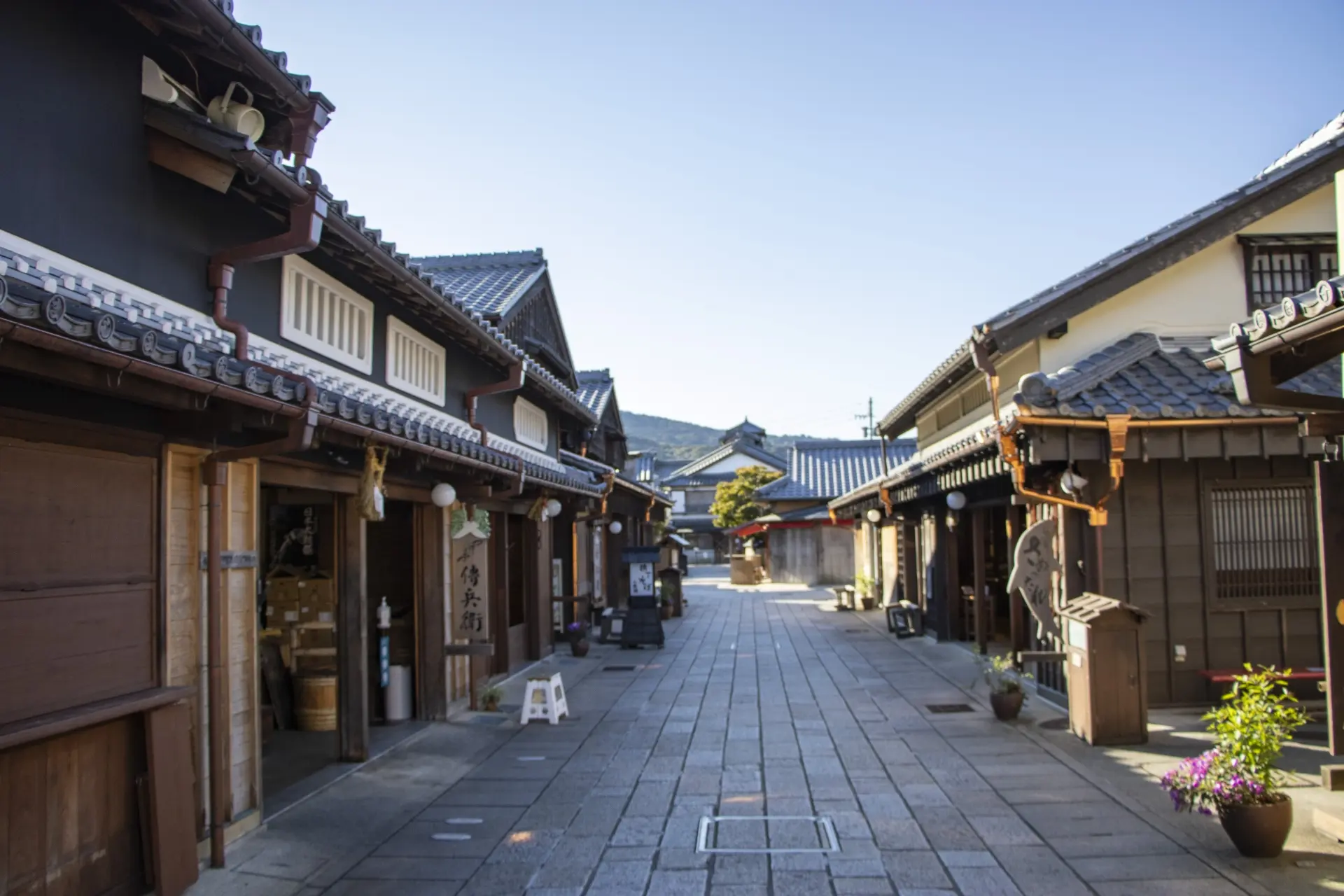
Mie
三重県
Where is Mie?
Mie Prefecture is classified as part of the Kinki region in the seven regional divisions, but it is also categorized under the Tokai region in weather forecasts. In the north, there is the Suzuka Mountain Range, and as you move south, you encounter the Ueno Basin, the Ise Plain, and the Kumano-nada coast, forming a variety of terrains such as mountainous areas, basins, and coastlines.
Mie Prefecture has an elongated shape, resulting in areas that can exceed 40 degrees Celsius in summer and regions that observe over 1 meter of snowfall in winter.
Mie Prefecture is bordered to the north by Gifu and Aichi Prefectures, which belong to the Chubu region. To the west, it is adjacent to Shiga, Kyoto, and Nara Prefectures, and to the south, it borders Wakayama Prefecture. The prefectural capital is Tsu City, but the largest city within Mie Prefecture is Yokkaichi City. As for tourist destinations, Ise City and Kuwana City are well-known.
Loading map...
Specialty Products of Mie
Mie Prefecture, being adjacent to Ise Bay, boasts a top-level domestic catch of seafood such as Ise lobster, abalone, and turban shell, which are named after the region. Additionally, the central and southern parts of the prefecture have a warm climate, making it conducive for raising high-quality cattle, leading to well-known brands like Matsusaka beef and Iga beef.
Furthermore, Mie Prefecture is rich in attractive local specialties, including famous regional dishes like Tekone sushi, Ise udon, and tonteki, as well as popular souvenirs such as Akafuku and Yokan mochi.
Food
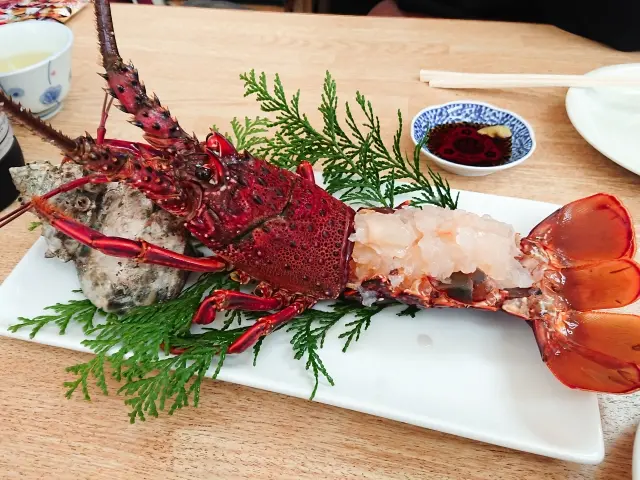
Ise-ebi
Ise-Shima's luxury ingredients. They are in season from autumn to winter and are considered auspicious food, often served at New Year's, celebrations, and formal gatherings where family members come together. As for cooking examples, they can be enjoyed deliciously in any cooking method, from sashimi to steaming and grilling, not only in Japanese cuisine but also in a wide variety of dishes such as Italian and French, making it a versatile ingredient.
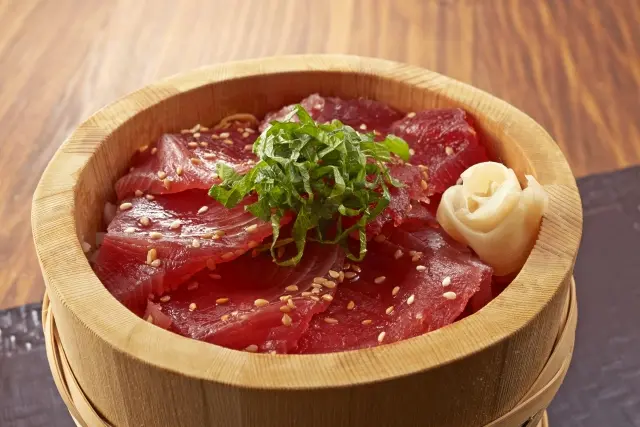
Tekone Sushi
What was once a fisherman's dish traditionally eaten in the Ise-Shima region has recently become an indispensable presence in restaurants at tourist destinations as a local specialty. Tekone sushi typically involves marinating fresh bonito in soy sauce and eating it with vinegared rice. It is also characterized by the different seasonings and ingredients used by each restaurant.
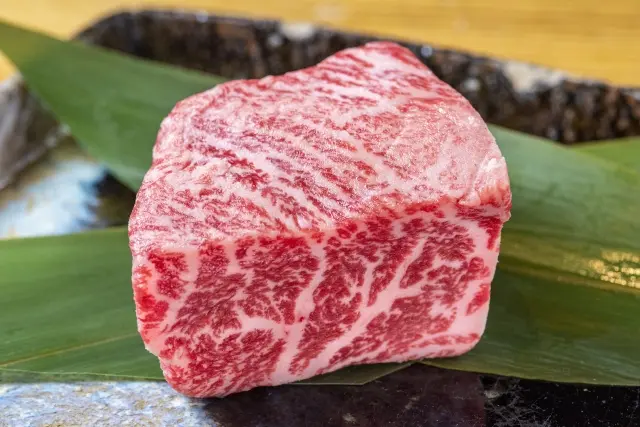
Matsuzaka Beef
Matsuzaka Beef known as Matsusaka beef, known domestically and internationally as one of Japan's top three wagyu, is a premium brand of beef. It is also referred to as a work of art in meat. The beef is marbled with fat between the muscles, and when cooked, the fat melts, releasing a rich sweetness.
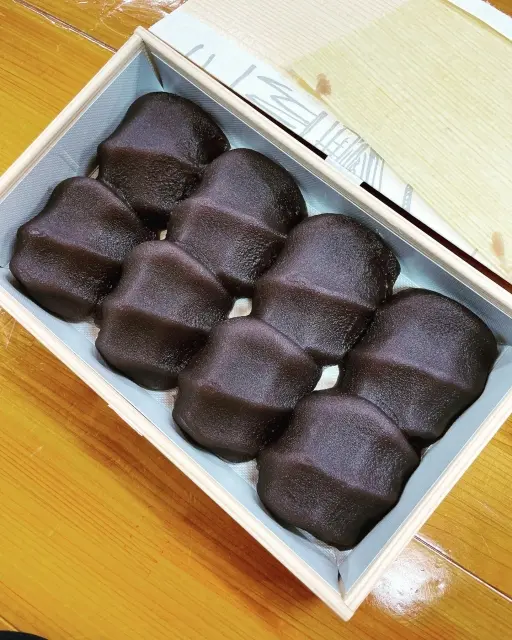
Akafuku
A mochi confection topped with smooth red bean paste, it became a specialty of Ise after being offered as a souvenir to visitors of the Ise Grand Shrine over 300 years ago. Akafuku, with its main store located on Oharaimachi Street in the inner shrine of Ise Grand Shrine, offers a truly exceptional taste when enjoyed on the tatami mats of the store built in the Meiji era.
Crafts & Others
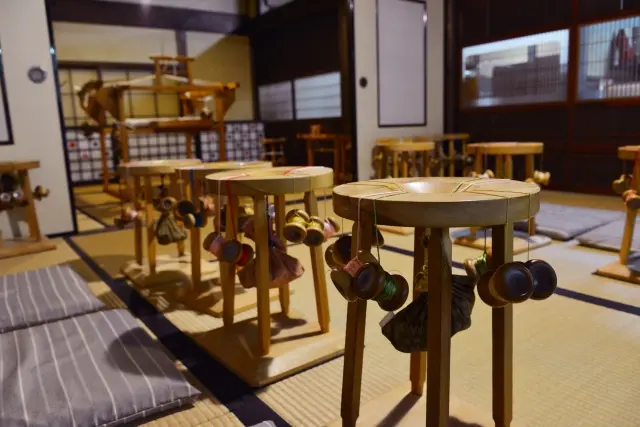
Iga Kumihimo
In Iga City, Mie Prefecture, there is a traditional kumihimo made primarily of silk threads combined with gold and silver threads. Around 1900 in the Meiji era, it was used as cords for sutra scrolls, Buddhist altar fittings, and Shinto ritual implements, but today it is widely appreciated for various uses such as kimono obijime and keychains.
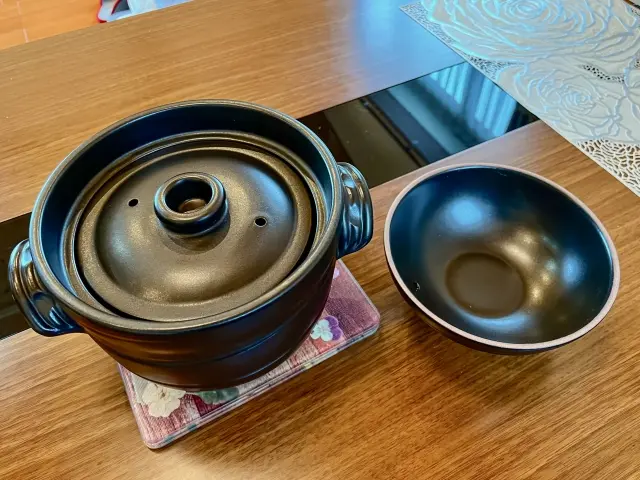
Yokkaichi Banko-yaki
The ceramics produced in Yokkaichi City, Mie Prefecture, originated in the Edo period when they began firing bowls, teacups, and plates. They are highly heat-resistant, and currently, many teapots and earthenware pots are produced, with earthenware pots accounting for 80-90% of the domestic market share.
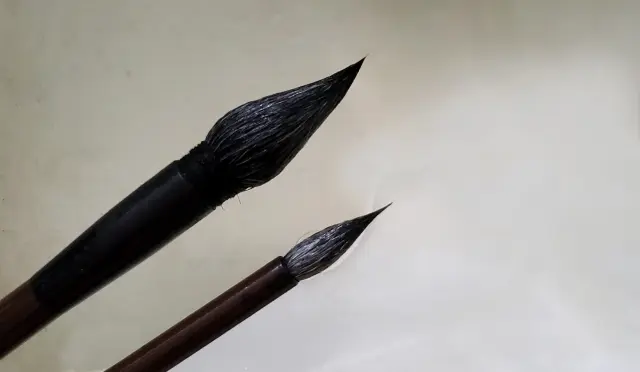
Suzuka Sumi
It is said that during the Nara period, soot was collected by burning pine resin harvested from the mountains in the Shirako area of Suzuka City, Mie Prefecture, to make ink. Due to its high quality, Suzuka ink was used for writing the crests of feudal lords, and today it is also used in ink-dyeing paints and dyes, as well as in art and craft products.
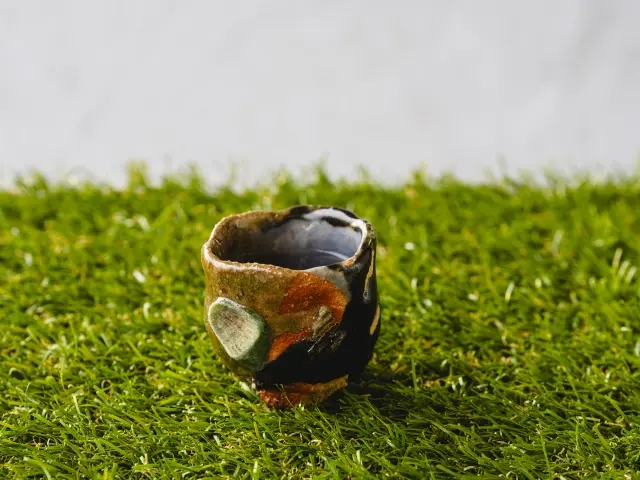
Iga Yaki
The ceramics produced in Iga City, Mie Prefecture, are characterized by their resistance to heat. Mainly, many donabe (earthenware pots) and heat-resistant tableware are produced. They have a good texture and are crafted to enhance the presentation of dishes, while also featuring many unique designs that reflect the dedication of the artisans.
Areas
Discover the unique areas within this prefecture
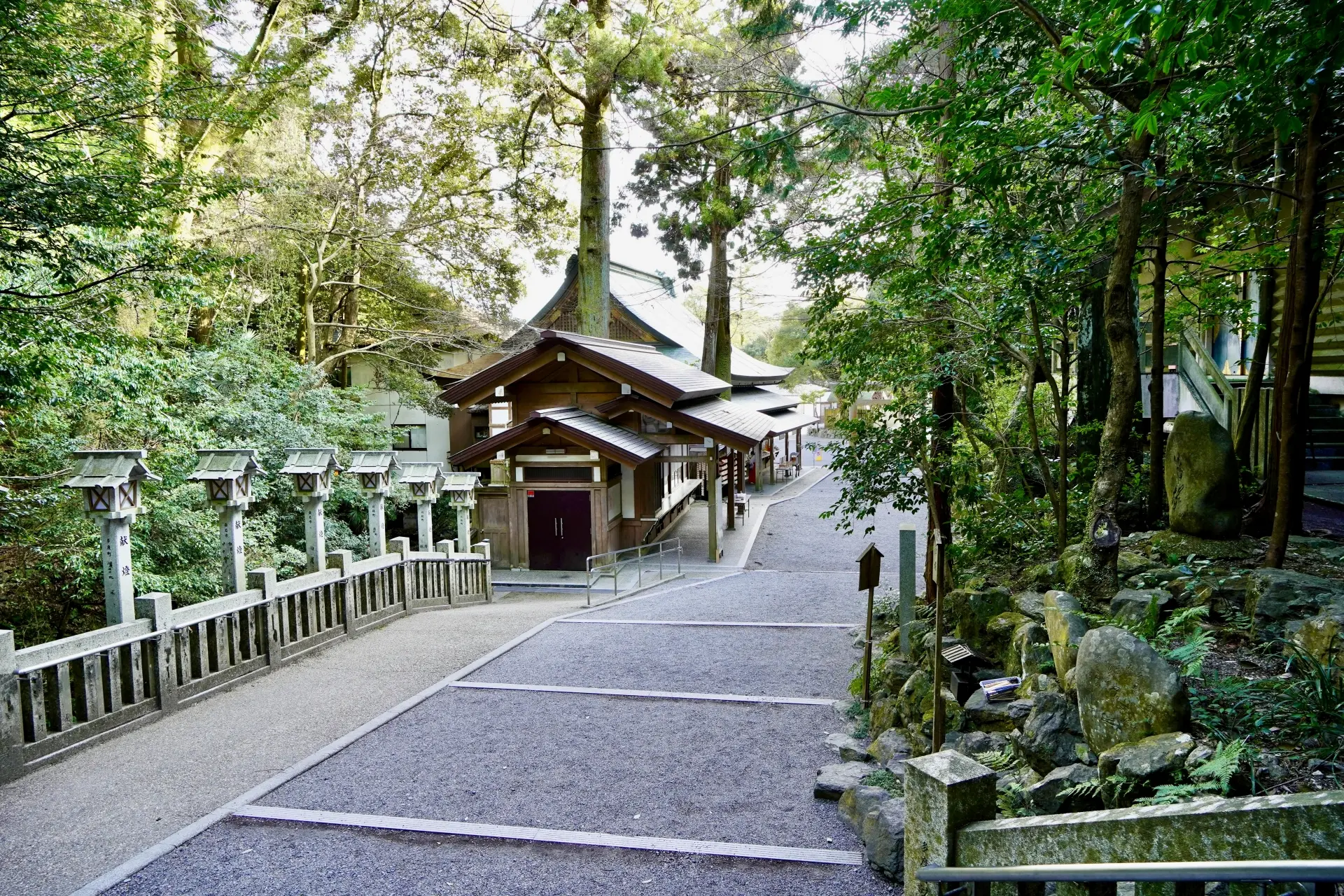
Access to Mie
The shortest route from overseas to Mie Prefecture is via Chubu Centrair International Airport in Tokoname City, Aichi Prefecture. From Chubu Centrair International Airport, take the Meitetsu line to Nagoya Station, then transfer to the Kintetsu line towards Mie Prefecture, which takes about 2 hours.
Other options include transferring from a high-speed ferry to the Kintetsu line or transferring from the Meitetsu line to the JR line.
Within Mie Prefecture, trains such as Kintetsu and JR are commonly used as the main means of transportation, and train travel is convenient for accessing tourist destinations.
History of Mie
Mie Prefecture was established in April 1876 when the former Anotsu Prefecture and Watarai Prefecture merged to form the current Mie Prefecture. Around the time of its establishment, there were uprisings and riots due to citizen opposition, leading to conflicts between the government and citizens. However, both sides eventually reached a compromise to quell the disturbances.
In 1936, the Yokkaichi Grand Exposition was held, showcasing exhibits from various Asian countries and modern science exhibits featuring Japanese technology such as motors and generators. The Industrial Pavilion displayed over 100,000 items, including lacquerware, textiles, and marine products from all over Japan, from Hokkaido to Okinawa, introducing Japan's cutting-edge technology to foreign countries.
As for tourist attractions, Suzuka Circuit opened in September 1963, followed by Nagashima Spa Land in March 1966. Shima Spain Village opened in April 1994, and Nabana no Sato opened in July 1998.
In May 2016, the G7 Summit was held in Ise-Shima, bringing together leaders from the United States, Canada, and Europe for meetings in Mie Prefecture.
About Mie
Ise Grand Shrine with Over 2000 Years of History
Ise Grand Shrine, located in Ise City, Mie Prefecture, is considered Japan's highest-ranked special shrine and is regarded as the guardian deity of the Japanese people.
The Ise Grand Shrine was established over 2000 years ago with the Inner Shrine (Kōtai Jingū) and over 1500 years ago with the Outer Shrine (Tōyōke Daijingū).
The Inner Shrine is the center of all shrines in Japan, enshrining Amaterasu-Omikami, who is likened to the sun, while the Outer Shrine is said to preside over the meals of Amaterasu-Omikami.
Moreover, as Ise Grand Shrine is a special shrine of the highest rank in Japan, the collective term 'Jingū' refers to the Inner Shrine, Outer Shrine, 14 auxiliary shrines, 43 branch shrines, 24 sub-shrines, and 42 administrative shrines, totaling 125 shrines.
When visiting Ise Grand Shrine, it is customary to visit the Outer Shrine before the Inner Shrine, so why not follow this tradition during your visit?
Okage Yokocho, Recreating the Streets of Edo and Meiji
Located right next to the Inner Shrine of Ise Grand Shrine, Okage Yokocho features about 50 shops selling local Mie specialties, souvenirs, and specialty products along an approximately 800-meter stone-paved street.
You can enjoy eating while walking from food stalls or purchase unique souvenirs from Mie Prefecture. Explore the charming streets that are quintessentially Japanese.
Birthplace of Pearl Cultivation
Mie Prefecture is famous in Japan as the birthplace of pearl cultivation, having succeeded in pearl farming over 100 years ago.
Kokichi Mikimoto, the founder of Mikimoto, which boasts the world's top share in pearl sales, first succeeded in cultivating pearls in Ago Bay, Mie Prefecture.
Since the success of pearl cultivation, pearl farming has developed around Ago Bay, and pearls are now often referred to as one of the world's oldest gemstones.
Cultural Intersection of East and West
In Japan, there are often cultural differences between eastern Japan, which includes places like Tokyo and Hokkaido, and western Japan, which includes Osaka and Hiroshima. Mie Prefecture, located in the central part of the Japanese archipelago, is considered a cultural intersection where various cultures meet.
Therefore, even within Mie Prefecture, different regions are known for having unique characteristics of eastern or western Japanese culture.