Senzoku
千束
Things to Do in and Around Senzoku
Where is Senzoku?


About Senzoku
Senzoku, located in Tokyo's Taito Ward, is an area near Asakusa steeped in the shitamachi (old downtown) atmosphere. Accessible from Minowa and Iriya Stations on the Hibiya Line, it features a townscape where residential areas and shopping streets coexist, vibrant with daily life. Notably, it is home to the Otori Shrine, famously known as "Otori-sama" for business prosperity. During the Tori-no-ichi (Rooster Market) held every November, the shrine bustles with crowds seeking to buy decorative kumade (good-luck rakes).
This area is also known as a place where the Meiji-era female writer Higuchi Ichiyo once lived. In the adjacent Ryusen area, there is a marker for the former site of the sundries and candy store Ichiyo ran. Her masterpiece, Takekurabe ("Comparing Heights"), is a story depicting the lives of boys and girls living right in this area of Senzoku and Ryusen, near the Yoshiwara pleasure quarter.
The Place Once Called "Yoshiwara"
The area around present-day Senzoku 4-chome is where "Yoshiwara," or more precisely "Shin-Yoshiwara" (New Yoshiwara), was once located.
Originally, Yoshiwara, the pleasure quarter officially sanctioned by the Edo shogunate, was located near present-day Nihonbashi Ningyocho (an area known as Moto-Yoshiwara, or Original Yoshiwara). However, after it was destroyed in the Great Fire of Meireki in 1657, it was moved by shogunate order to Nihonzutsumi, behind Senso-ji Temple, which was then the outskirts of Edo. This is the present-day site in Senzoku. This marked the beginning of "Shin-Yoshiwara."
The Edo Period's Largest Pleasure District
During the Edo period, Shin-Yoshiwara was not merely a place of amusement; it was Edo's largest entertainment district and a vibrant center of culture. It was a unique space, isolated from the outside world, surrounded by a moat called the Ohaguro-dobu ("tooth-blackening moat") and accessible only through a single entrance: the "Yoshiwara O-mon" (Yoshiwara Great Gate).
Inside, the central "Naka-no-cho" street was lined with cherry blossoms in spring and was so brightly lit all night it was dubbed the "castle of the night." It was also a social gathering place for samurai, wealthy merchants, and cultural figures. The latest fashions, music, and themes for ukiyo-e (woodblock prints) originated here and spread throughout Edo. Publishers like Tsutaya Juzaburo flourished, and many popular fiction (gesaku) writers and artists depicted the glamour of Yoshiwara and the lives of its courtesans, further boosting its popularity.
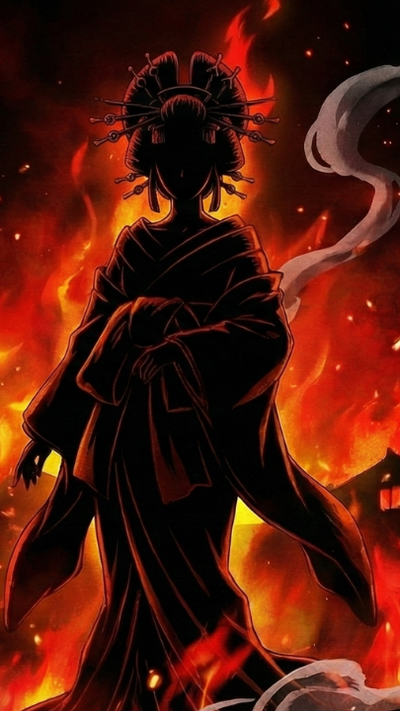
The highest-ranking courtesans, known as Tayu, possessed both beauty and refinement. To be entertained by them required immense wealth and sophistication, making them a true symbol of Edo culture.
The Curtain Falls on Yoshiwara
However, behind this glamour lay the harsh realities of the courtesans' lives and a history of tragedy, such as when many courtesans, unable to escape during the 1923 Great Kanto Earthquake, lost their lives in Benten Pond.
The approximately 350-year history of Yoshiwara as an officially sanctioned pleasure quarter came to an end in 1958 (Showa 33) with the enforcement of the Prostitution Prevention Law.
The Name of Yoshiwara Lives On
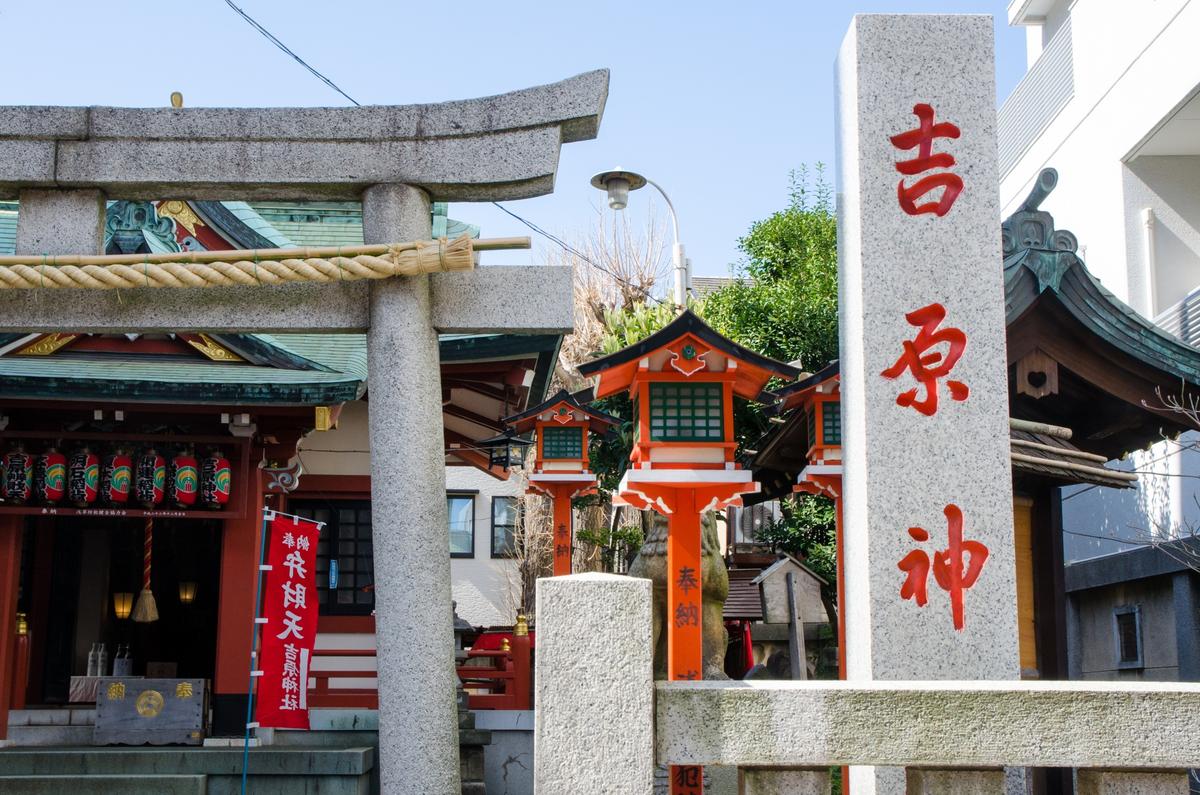
While few traces of its former appearance remain in the area around Senzoku 4-chome today, reminders of its past persist. The name of the "Yoshiwara O-mon" intersection, the site of the "Mikaeri Yanagi" ("Looking-back Willow") where patrons supposedly glanced back wistfully (now marked by a monument and a replanted willow), and the Yoshiwara Shrine, which consolidated the shrines from within the quarter, all carry the memory of the grand entertainment district that once stood here.
At the same time, in modern times, it also has a different aspect, known as one of Japan's most prominent adult entertainment districts.
Senzoku
Discover stories and insights about Senzoku