Harajuku
原宿
Things to Do in and Around Harajuku
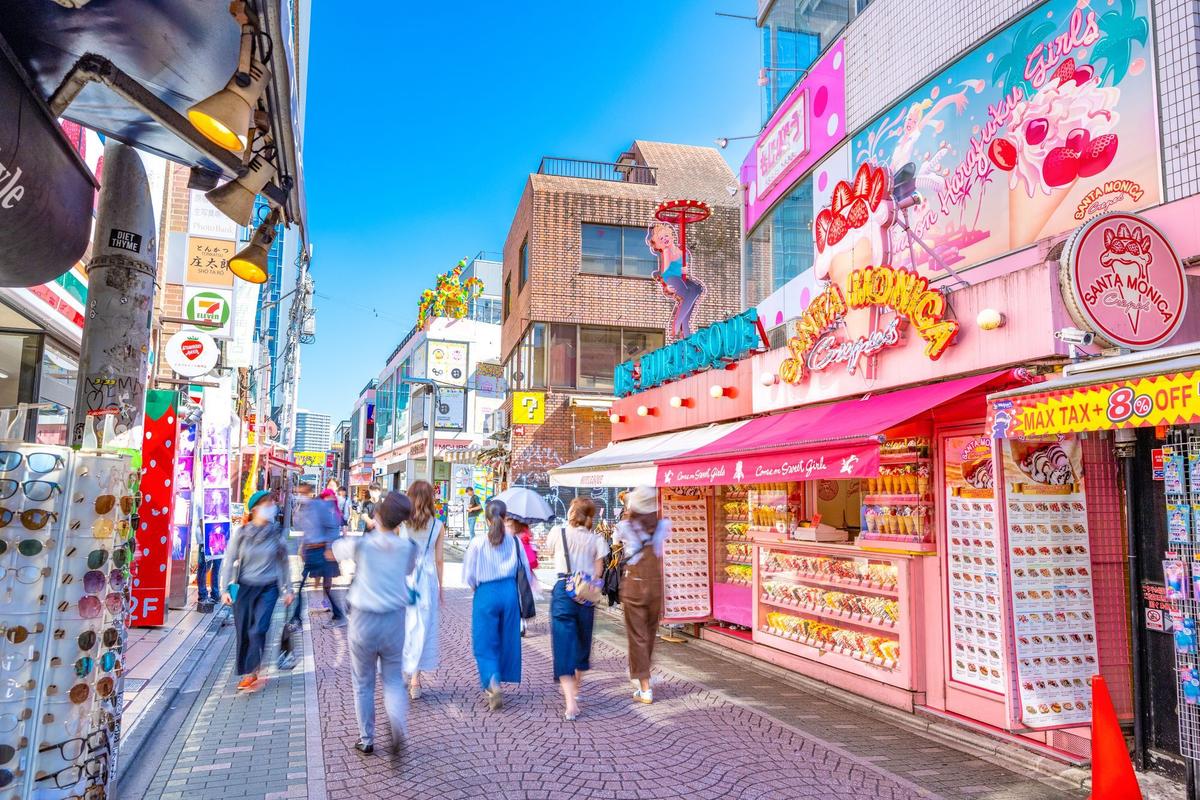
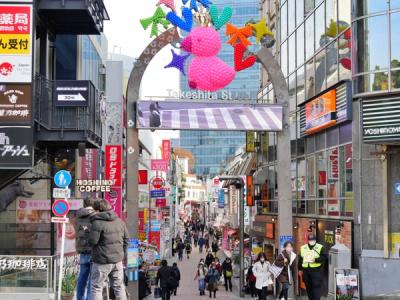
This area is globally known as the hub of Japan's "Kawaii" culture. It is perfect for tourism, with a diverse range of cultures condensed from Takeshita Street, which is filled with unique fashion and the latest sweets for young people, to Ura-Harajuku, lined with sophisticated shops.
Places to visit in Harajuku
Where is Harajuku?
It belongs to Shibuya City, Tokyo, and is located almost midway between the major terminals of Shinjuku and Shibuya. It is characterized by the beautiful zelkova tree-lined Omotesando and the adjacent Meiji Shrine, which has a vast forest, creating a contrast between the bustling downtown and the tranquil nature. It is within walking distance from the Shibuya Station area, allowing visitors to enjoy shopping while exploring the area.


Getting Around
The main entrance is JR Yamanote Line "Harajuku Station". Additionally, Tokyo Metro Chiyoda Line and Fukutoshin Line "Meiji-Jingumae Station" are nearby, effectively providing access to three lines. It takes only a few minutes by JR from Shinjuku or Shibuya, and about 30 minutes without transfers from Tokyo Station, making access from major parts of the City excellent.
Loading map...
About Harajuku
The most distinctive feature of Harajuku is its unique fashion culture. The main street, Takeshita Street, is bustling with teenagers and foreign tourists, and has developed as a place where colorful and eccentric 'Harajuku-style fashion', Gothic Lolita, and vintage mixes are allowed as forms of free self-expression. In the past, it gave rise to trends such as the 'Takenoko-zoku' and pedestrian paradise, and has continued to lead the forefront of Japanese youth culture with globally recognized street brands emerging from the area known as 'Ura-Harajuku'. The landmark 'Laforet Harajuku' still reigns as a fashion building that has produced numerous brands and creators.
A Source of Trends! From Crepes to the Latest Sweets
Harajuku is also a battleground for 'walking sweets'. In the late 1970s, paper-wrapped crepes became hugely popular here, establishing the equation 'Harajuku = Crepes'. Even today, while long lines form at old-established crepe shops, many sweets that become trends in Japan, such as pancakes, tapioca, and Korean sweets, start their boom in Harajuku. The food is often visually striking and perfect for social media.
An Urban Oasis: Meiji Shrine and Yoyogi Park
Although Harajuku is often associated with hustle and bustle, a contrasting tranquility spreads to the west of the station. Meiji Shrine, dedicated to Emperor Meiji and Empress Shoken, is famous for having the highest number of New Year's visitors in Japan. The vast forest, artificially created, has grown into a natural forest with a rich ecosystem over 100 years. Additionally, the adjacent Yoyogi Park is bustling with people enjoying picnics and events on weekends. When tired from shopping, you can quickly refresh yourself in the abundant nature, showcasing the depth of Harajuku's character.