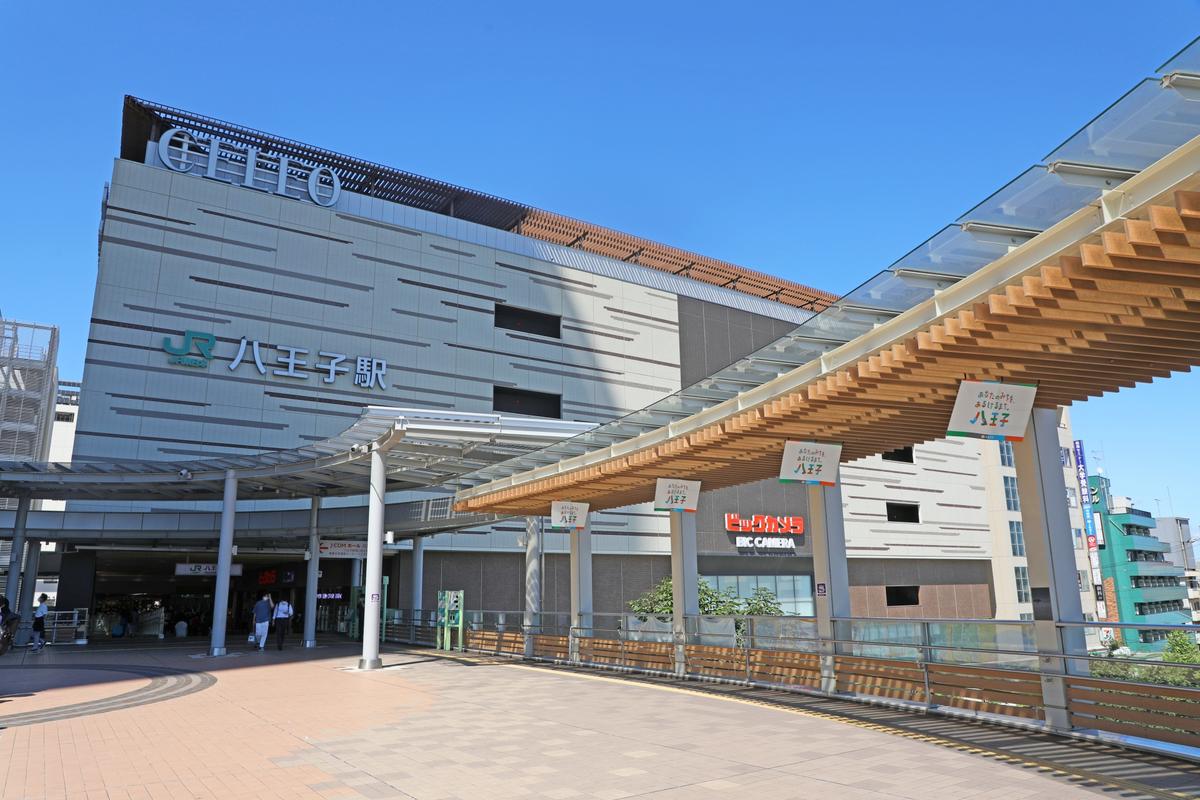
Hachioji
八王子市
Things to Do in and Around Hachioji
Hachiōji sits at the western edge of Tokyo, about an hour by train from the city center, yet brimming with lush mountain scenery and a rich sense of history. The area is dotted with attractions ranging from Mt. Takao, a three-star destination in the Michelin Green Guide, to the ruins of a Sengoku-era mountain castle and imperial mausoleums. Home to around 21 universities and colleges, the city has a youthful energy that coexists with its tranquil natural surroundings — a combination that gives Hachiōji its distinctive character. With a population of roughly 580,000, it also serves as a central hub of the Tama region.
Places to visit in Hachioji
Where is Hachioji?
Hachiōji is located in western Tokyo, in the southwestern part of the Tama region. It lies about 40 km west of Shinjuku in central Tokyo. To the north, it borders Akishima and Akiruno; to the east, Hino and Tama; to the south, Machida and Sagamihara in Kanagawa Prefecture; and to the west, it meets Uenohara in Yamanashi Prefecture at the prefectural boundary.
Hills and mountains make up roughly half of the city’s area, with peaks in the 500–800 m range — including Mt. Takao and Mt. Jinba — forming a chain across the southern part. The Asakawa River flows eastward through the north, and the city’s urban center spreads along its basin. Sitting right where the Kantō Plain gives way to the mountains, Hachiōji has a climate noticeably different from central Tokyo; winter mornings that dip below freezing are not uncommon here.


Getting Around
The two main gateways to Hachiōji are JR Hachiōji Station and Keiō Hachiōji Station. On the JR Chūō Line Special Rapid, you can reach the city in about 45 minutes from Shinjuku Station or roughly an hour from Tokyo Station. The Keiō Line express takes about 40 minutes from Shinjuku to Keiō Hachiōji Station. If Mt. Takao is your destination, the fastest Keiō Line service gets you from Shinjuku to Takaosanguchi Station in around 50 minutes — just the right distance for a day trip from the city.
Getting around within Hachiōji, you can use the JR Yokohama Line, Hachikō Line, or the Keiō Takao Line, along with local buses connecting the main areas. If you plan to visit sites like Hachiōji Castle Ruins or the Tama Imperial Mausoleums, which are a fair distance from the nearest station, it is a good idea to check bus schedules ahead of time. The area around Mt. Takao is easy to cover on foot with the cable car and chairlift, but if you want to venture out toward Mt. Jinba, having a car would come in handy.
Loading map...
About Hachioji
Just an hour from central Tokyo, Hachiōji is a city where mountains and history converge. Led by the three-Michelin-starred Mt. Takao, the area is packed with a different side of Tokyo — from Sengoku-period castle ruins and serene imperial mausoleum forests to beloved local ramen. The sheer density of nature and history right next door to a major metropolis is something uniquely Hachiōji.
Mt. Takao and Its Rich Natural Setting
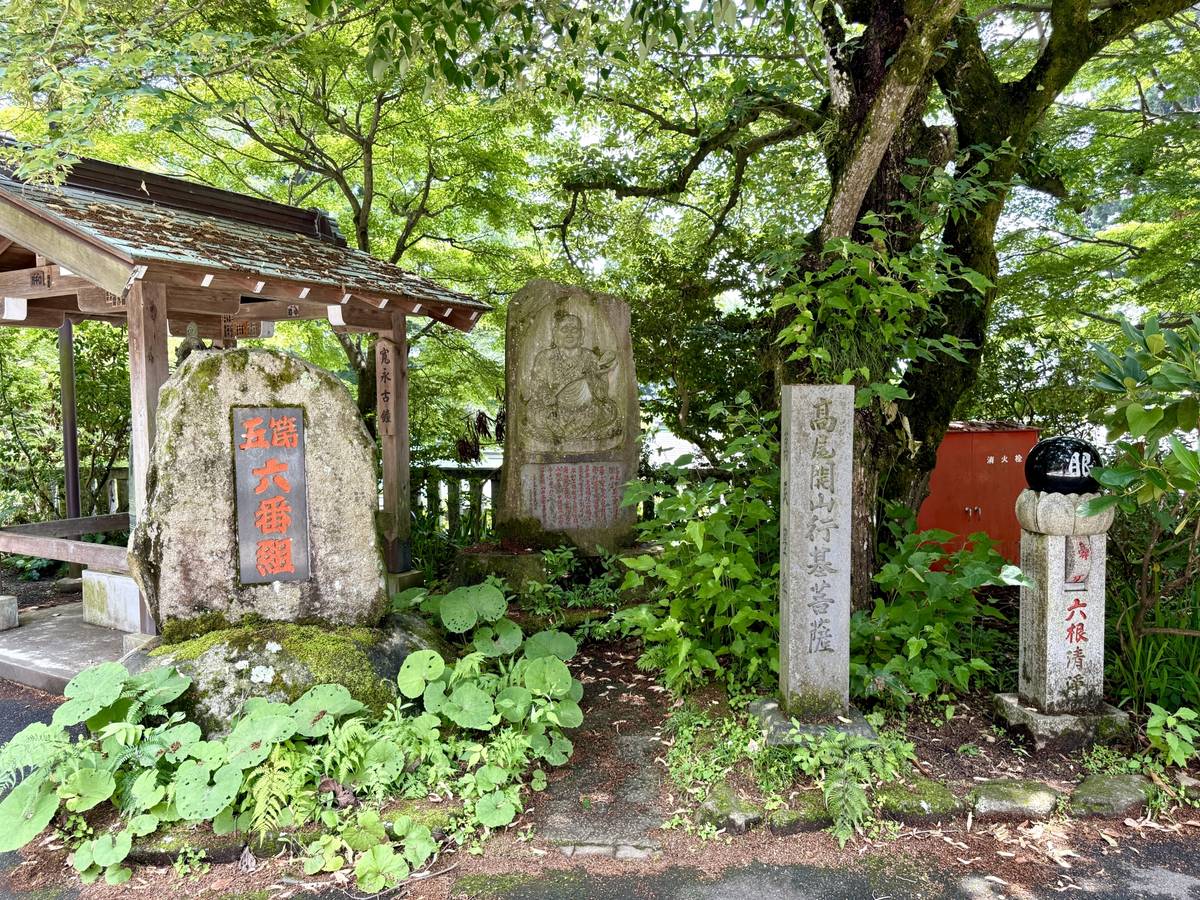
Standing 599 meters tall, Mt. Takao draws around three million visitors a year, making it one of Tokyo’s most popular hiking destinations. Its profile rose sharply among international travelers after it received the highest three-star rating in the Michelin Green Guide Japan. Several well-maintained trails wind up the mountain, and a cable car or chairlift can carry you halfway up, so even first-time hikers can comfortably make it to the summit.
From the top, you are greeted by sweeping views of the Tanzawa mountain range and, on clear days, Mt. Fuji. Partway up, Yakuōin Temple is a Shingon Buddhist temple said to have been founded in 744 and is known as a sacred mountain associated with tengu, the mythical long-nosed creatures of Japanese folklore. The mountain reveals a different face with each season — cherry blossoms in spring, fresh greenery in early summer, vivid autumn foliage, and the “Diamond Fuji” phenomenon in winter, when the setting sun aligns perfectly with the peak of Mt. Fuji.
Hachiōji Castle Ruins and Memories of the Sengoku Era
Built on Mt. Fukazawa, which rises to the north of Mt. Takao, Hachiōji Castle was a branch fortress of the Hōjō clan, who dominated the Kantō region during the Sengoku period. Selected as one of Japan’s Top 100 Castles, this mountain stronghold fell in 1590 during Toyotomi Hideyoshi’s siege of Odawara, and the story of that fierce battle is still told to this day.
Today the site has been maintained as historical ruins, with stone walls and a reconstructed hikibashi drawbridge in the Goshuden area at the foot of the mountain. Climb to the main keep and you are rewarded with a panoramic view of the Kantō Plain, giving you a visceral sense of why this strategic location was chosen for a castle. For anyone with an interest in Sengoku history, this is a rare mountain castle site you can visit on a day trip from central Tokyo.
Tama Imperial Mausoleums and Musashi Imperial Graveyard
On the north side of JR Takao Station, nestled in a quiet forest, the Musashi Imperial Graveyard holds the mausoleums of four members of the imperial family: Emperor Taishō, Empress Teimei, Emperor Shōwa, and Empress Kōjun. Also known as the Tama Imperial Mausoleums, the grounds are a solemn space where gravel paths stretch in straight lines through the trees. Unlike a typical tourist destination, the atmosphere here is one of profound stillness — a place where you can connect with Japan’s modern history and imperial culture.
Visiting is free of charge, and anyone may enter during opening hours. The surrounding forest is immaculately maintained, and the paths are especially striking in autumn when the foliage turns vivid shades of red and gold.
Hachiōji Ramen and Local Food Culture

Hachioji Ramen / Photo AC
No visit to Hachiōji is complete without trying the city’s signature dish: Hachiōji ramen. Its defining feature is a shōyu-based broth topped with chopped raw onions, whose sweetness gradually melts into the soup and creates a distinctively mellow flavor. Dozens of shops across the city serve their own versions, each with subtle differences in broth intensity and how the onions are cut, making it a real pleasure to sample and compare.
Come autumn, roughly 770 ginkgo trees lining the old Kōshū Kaidō highway turn brilliant gold, stretching from the Oiwake-chō area toward Takao Station. Every November, the Ginkgo Festival brings food stalls and local specialty vendors to the street, transforming it into one of the city’s most beloved seasonal traditions.